Second Chances
I had the opportunity to travel to San Luis Potosí, Mexico, one of the states in my country I had never had the chance to visit before, and I saw so much that I couldn't wait to come back and tell you about it and show you the gems I found (or that found me).
First of all, I want to show you something that meant a lot to me, but also surprised me in so many ways. What art and the thoughtful use of a place can do is incredible. Art has the power to transform and tell stories beyond what we see. In San Luis Potosí, I found art in every sense of the word inside an old penitentiary. The contrast between the darkness of its past as a prison and the light of its current creative space feels refreshing and makes for a truly unique experience.
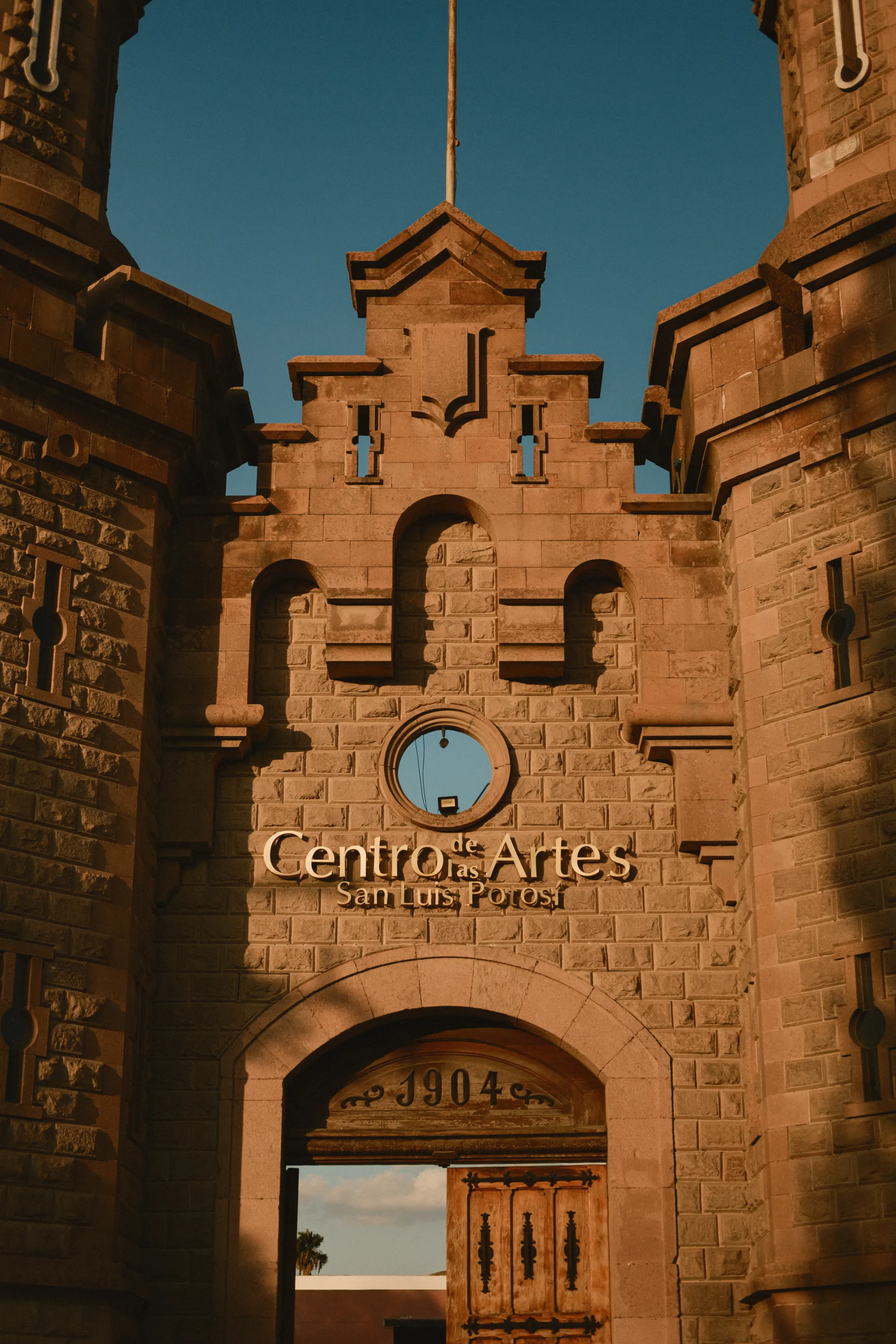
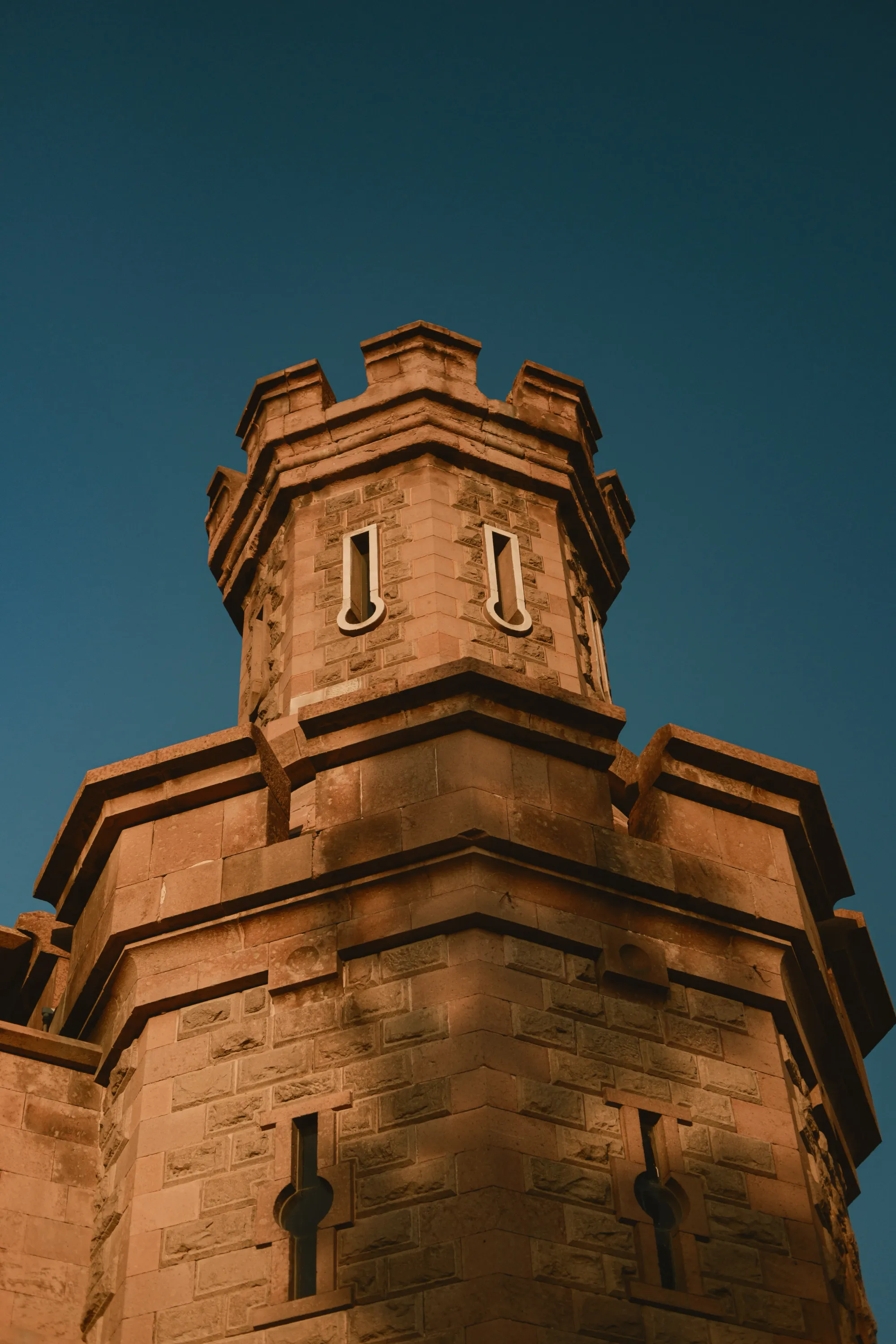
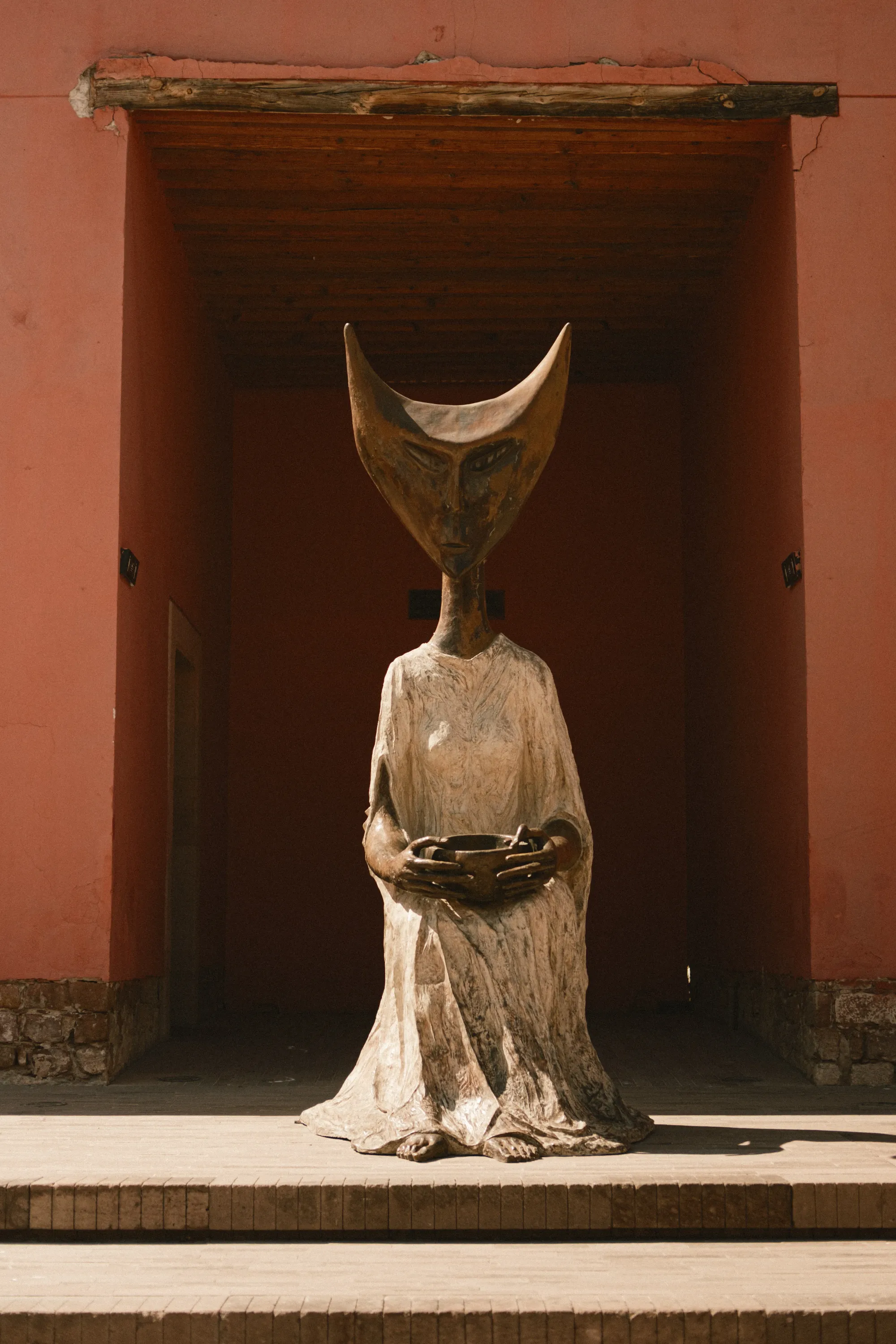
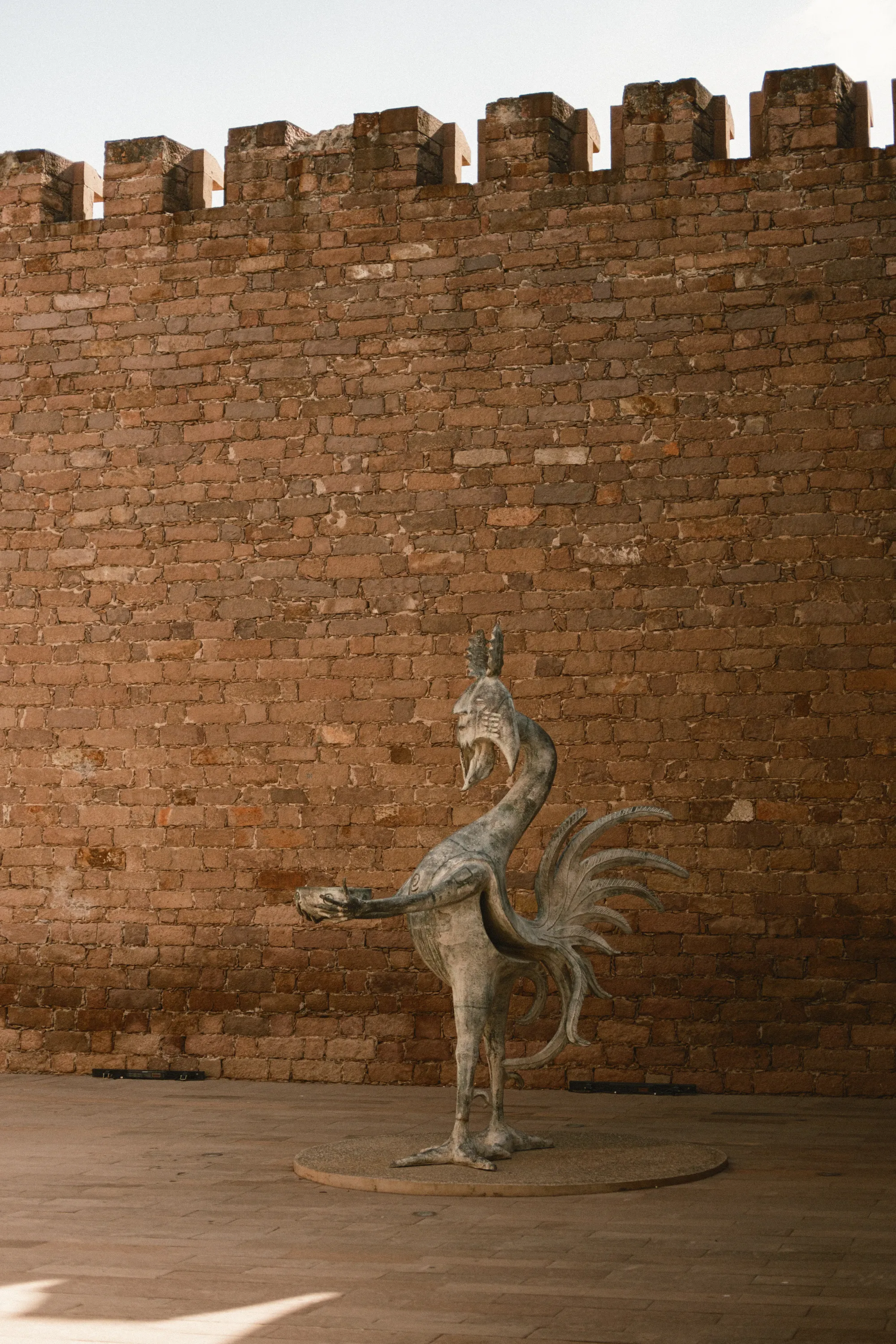
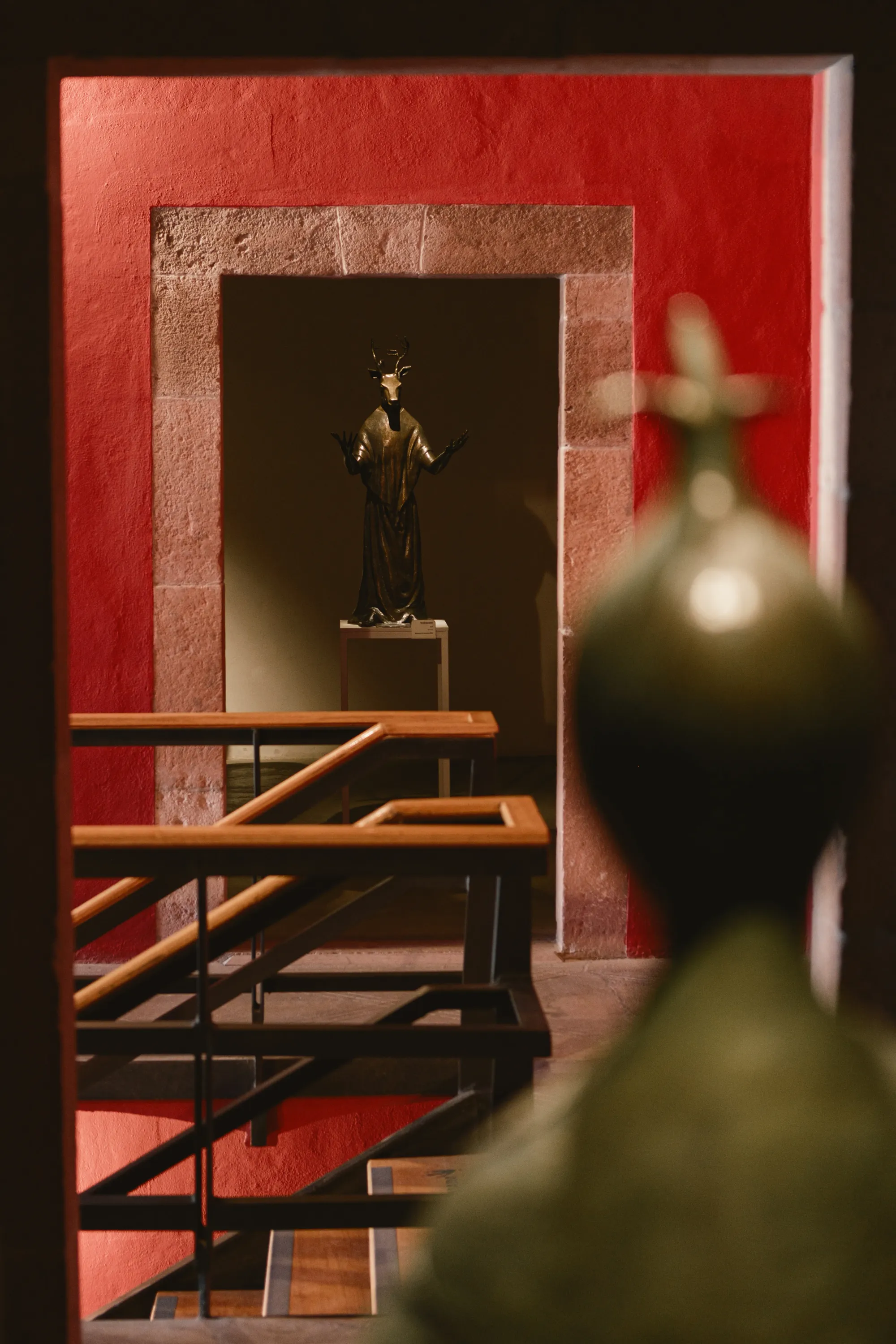
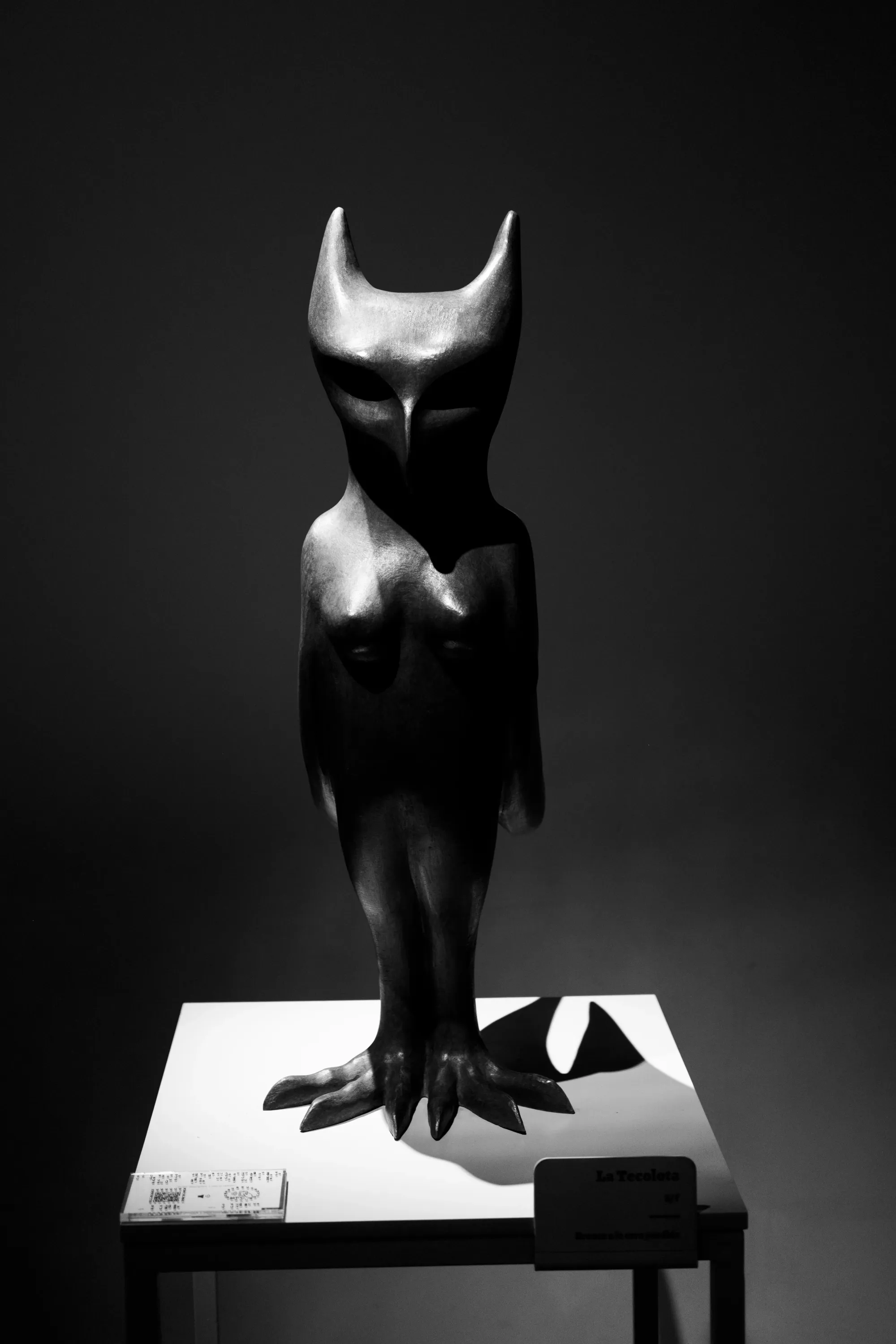
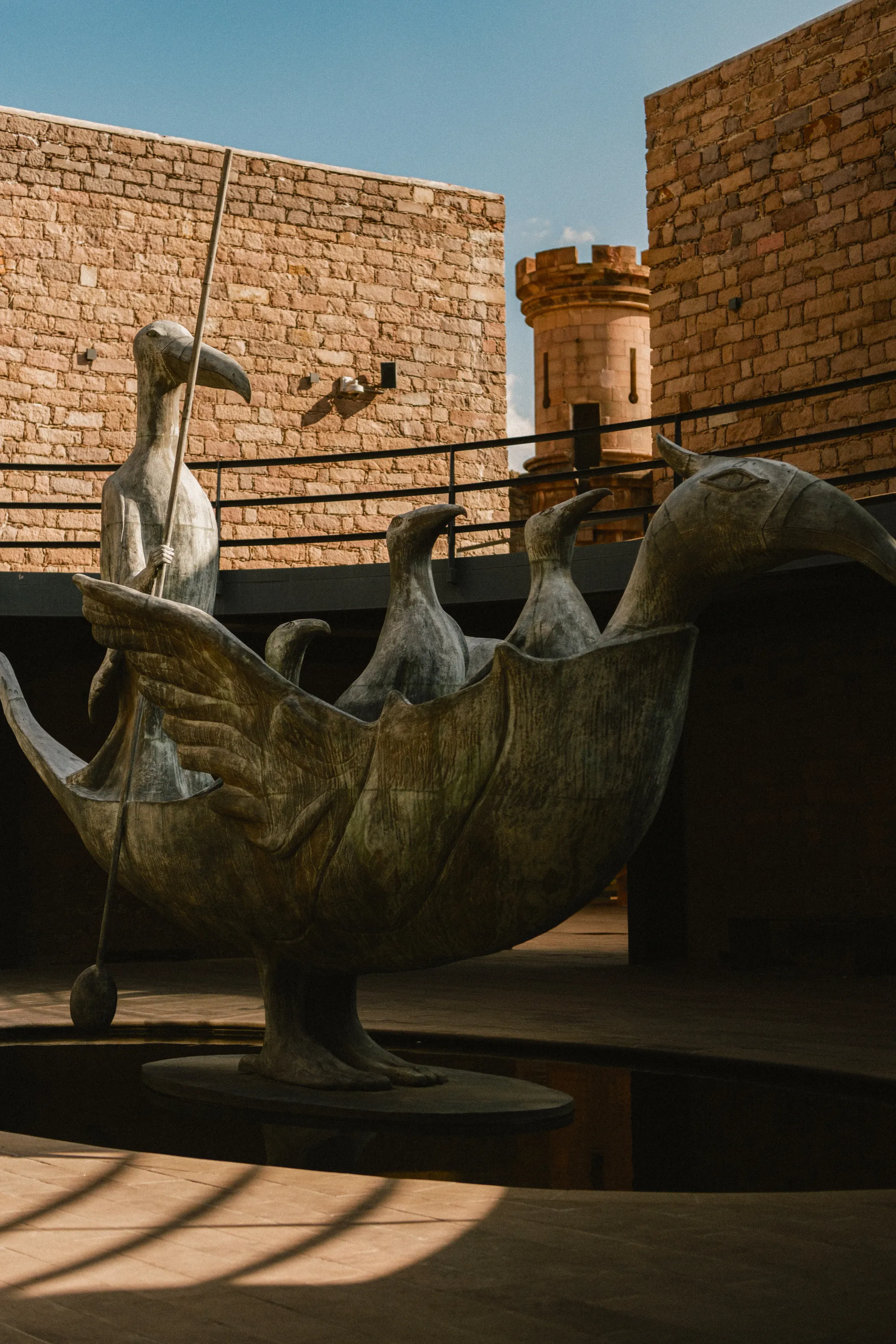
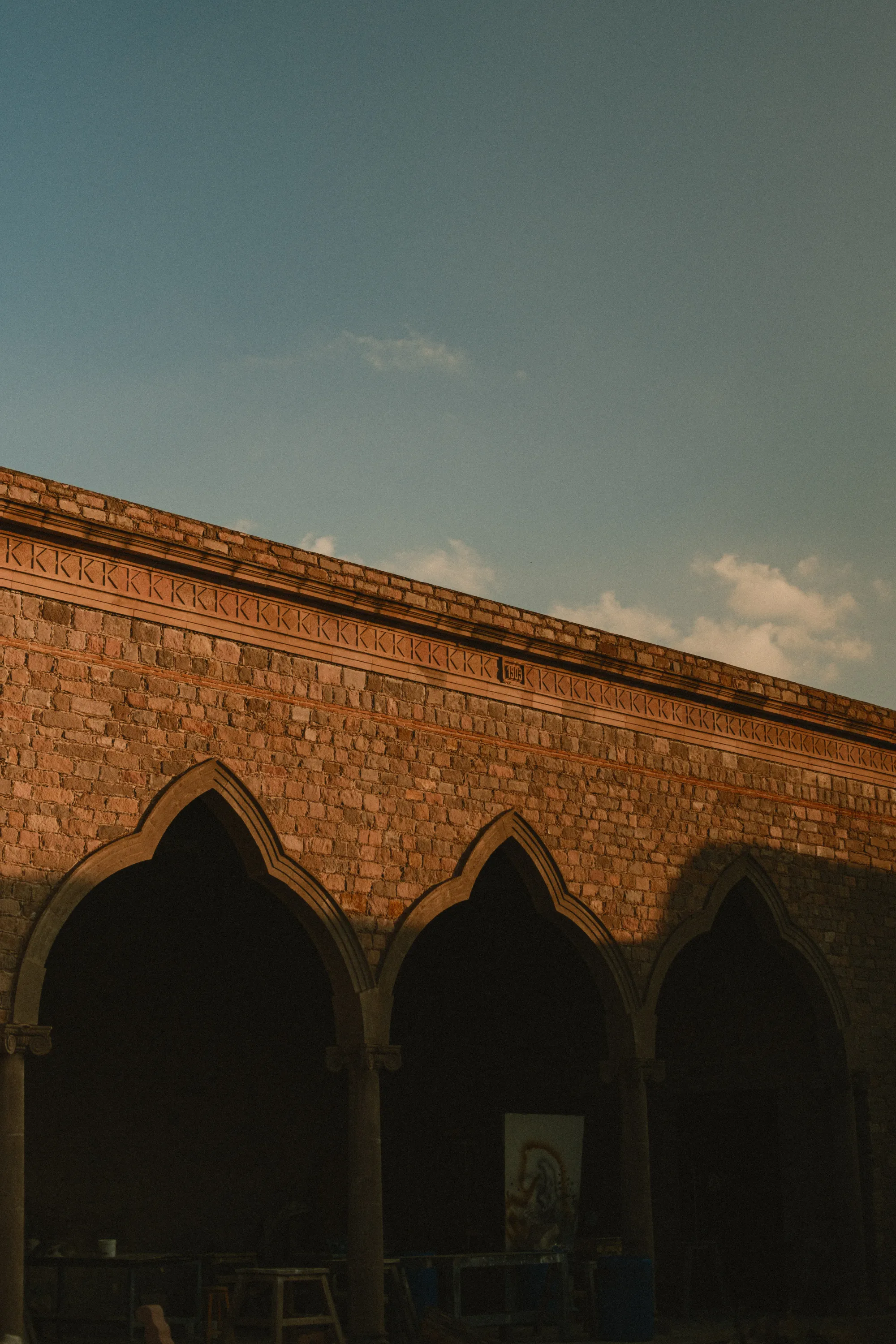
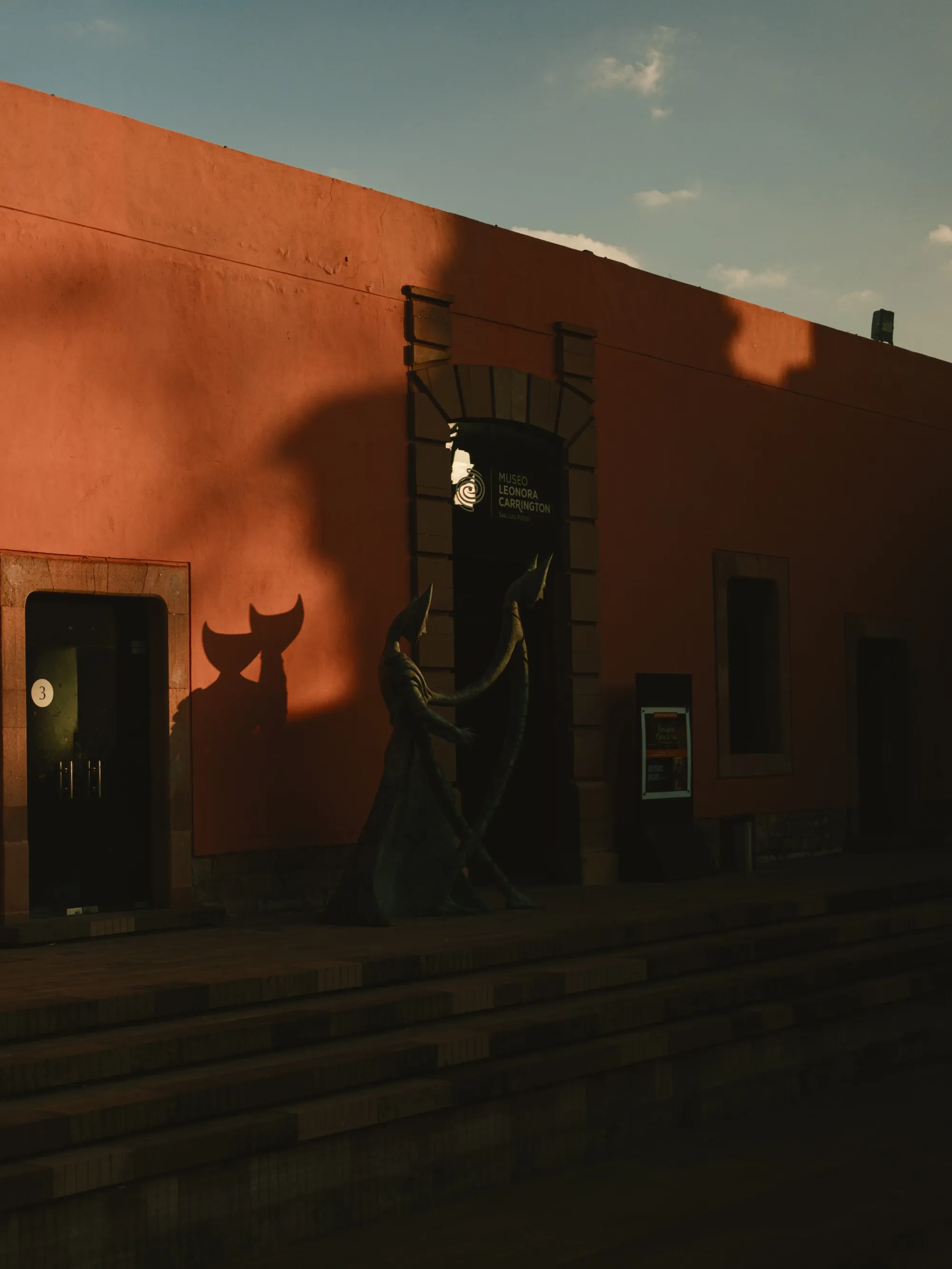
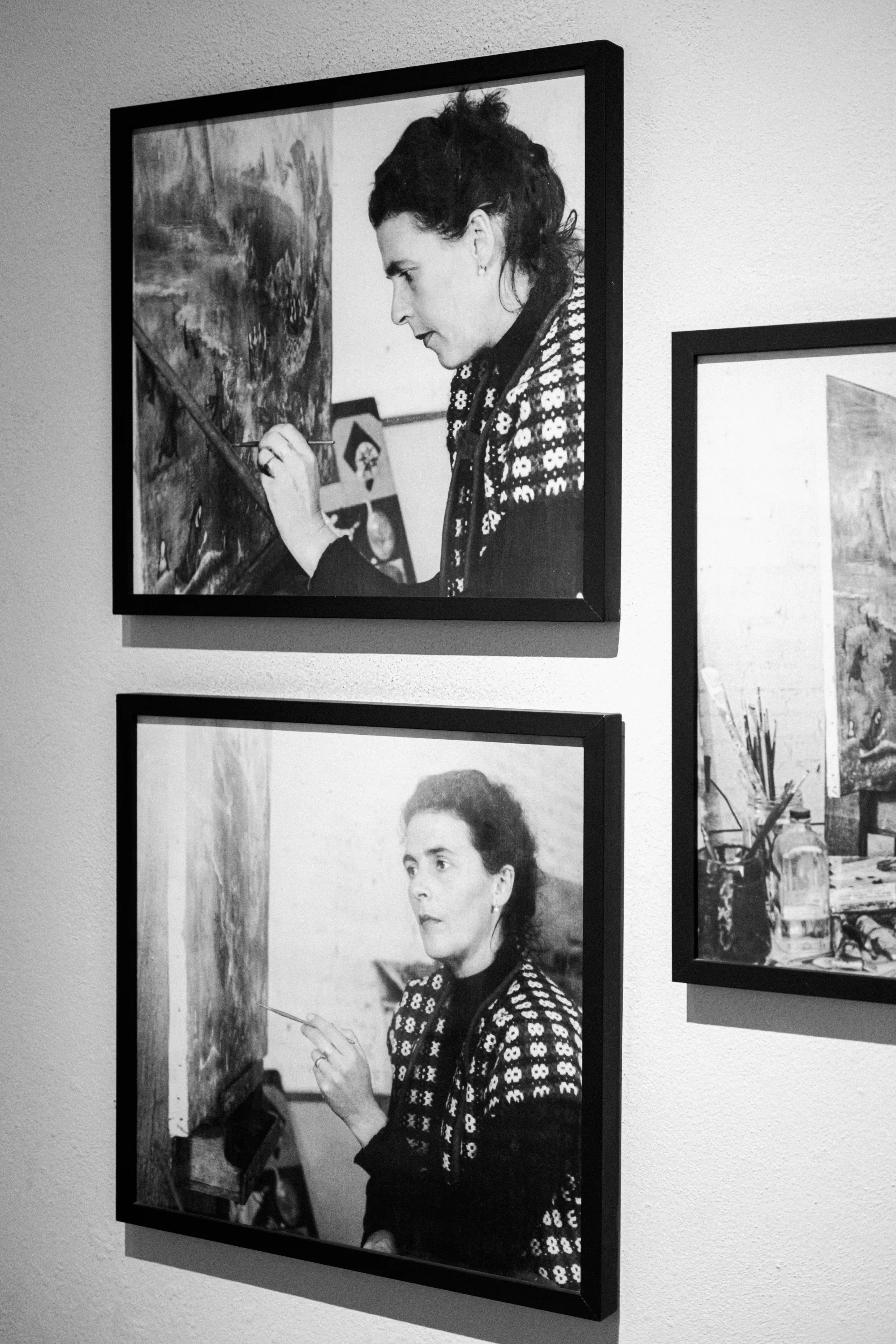
Center of the Arts of San Luis Potosí is such a unique place because it operates inside an old penitentiary that still preserves its entire panoptic structure, and being there is just as powerful as it sounds. The Leonora Carrington Museum is also located inside, an artist whose work I deeply admire.
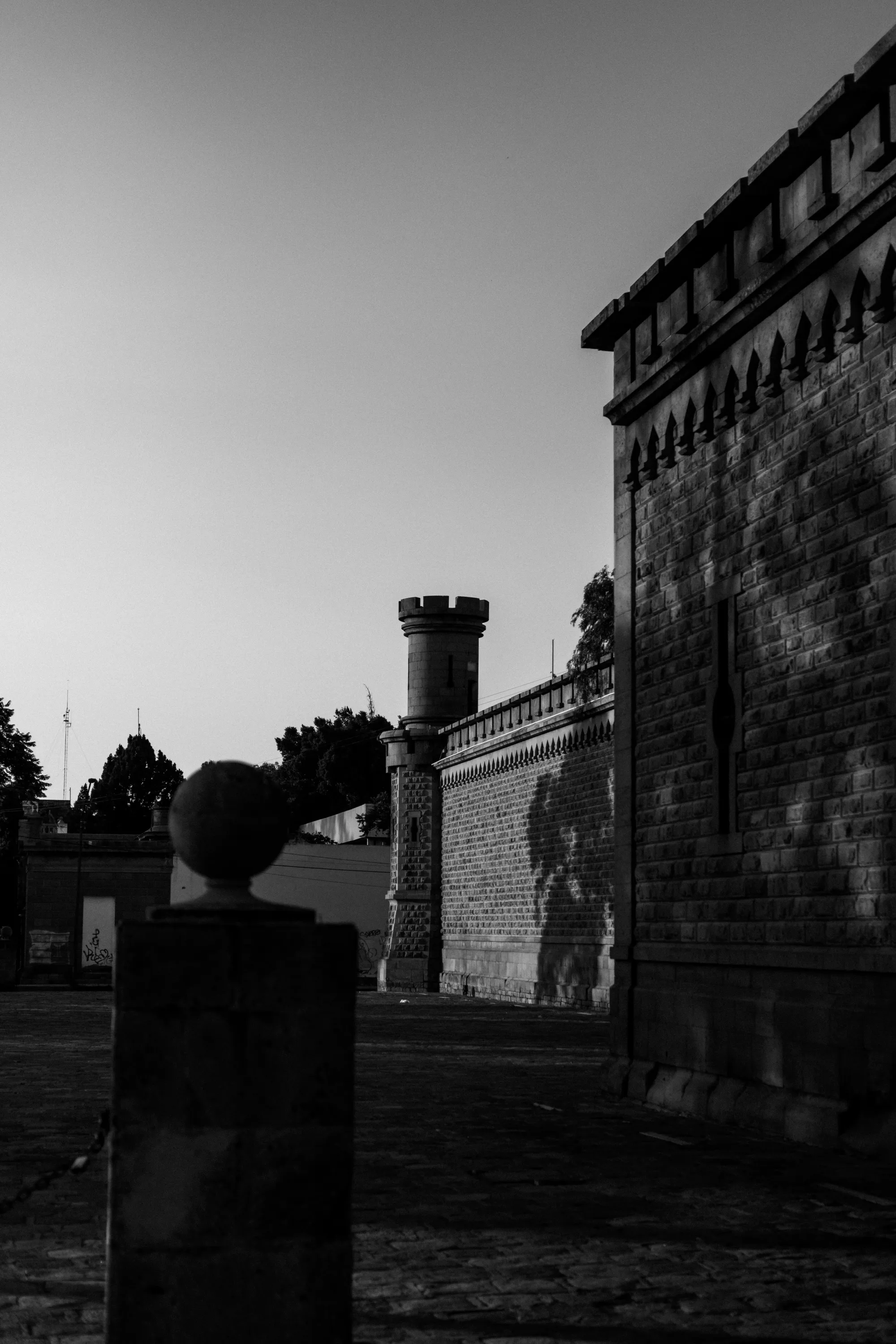
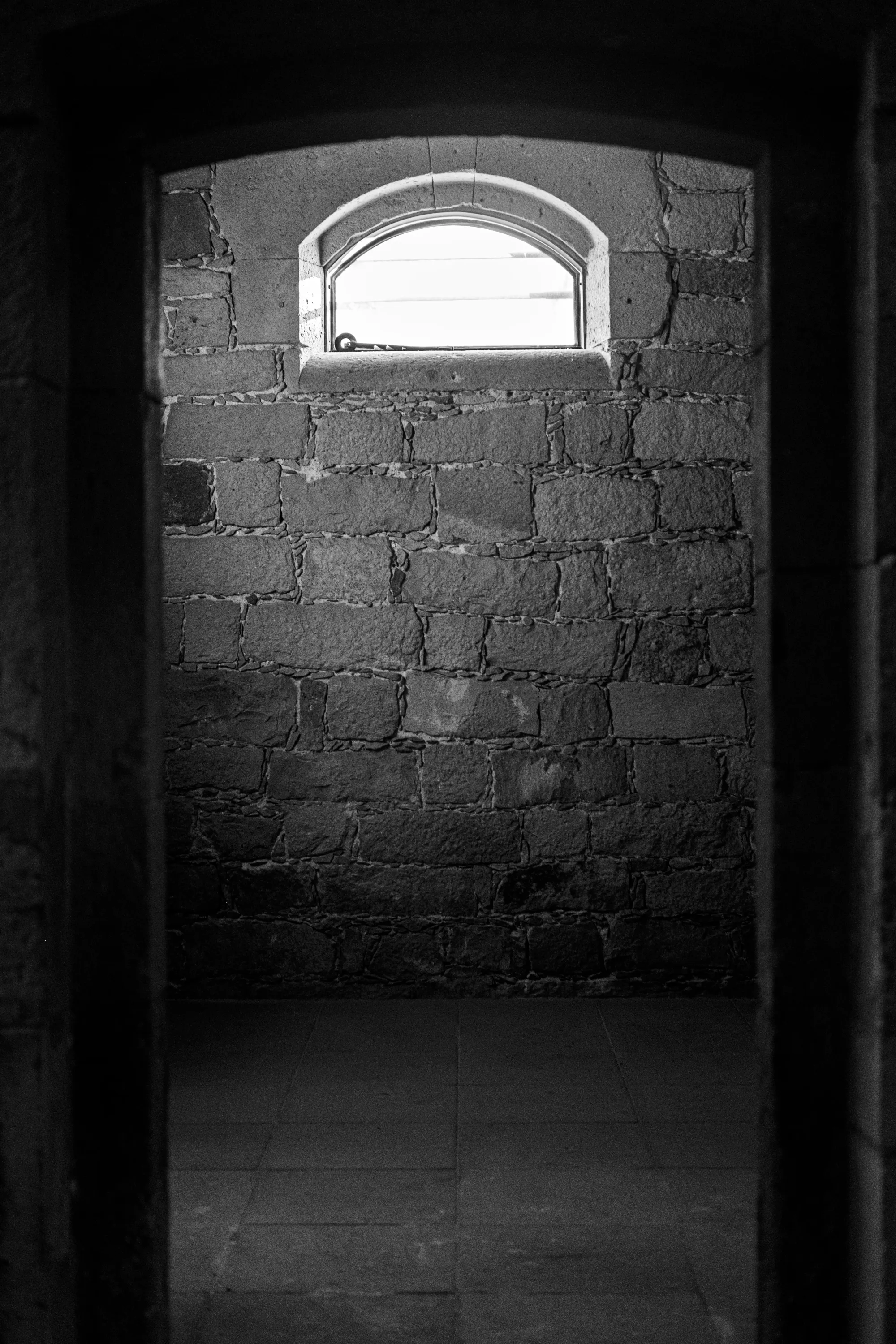
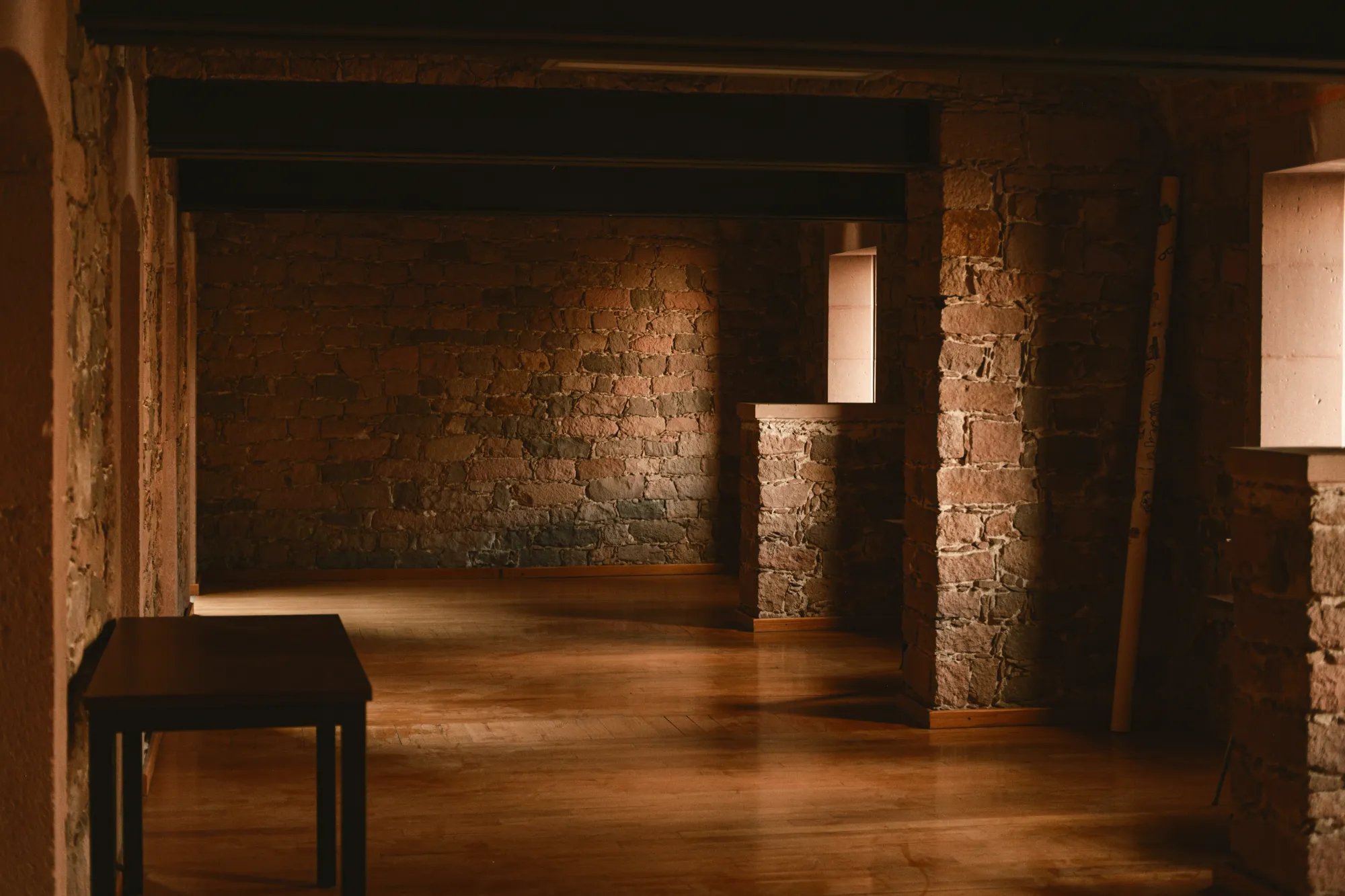
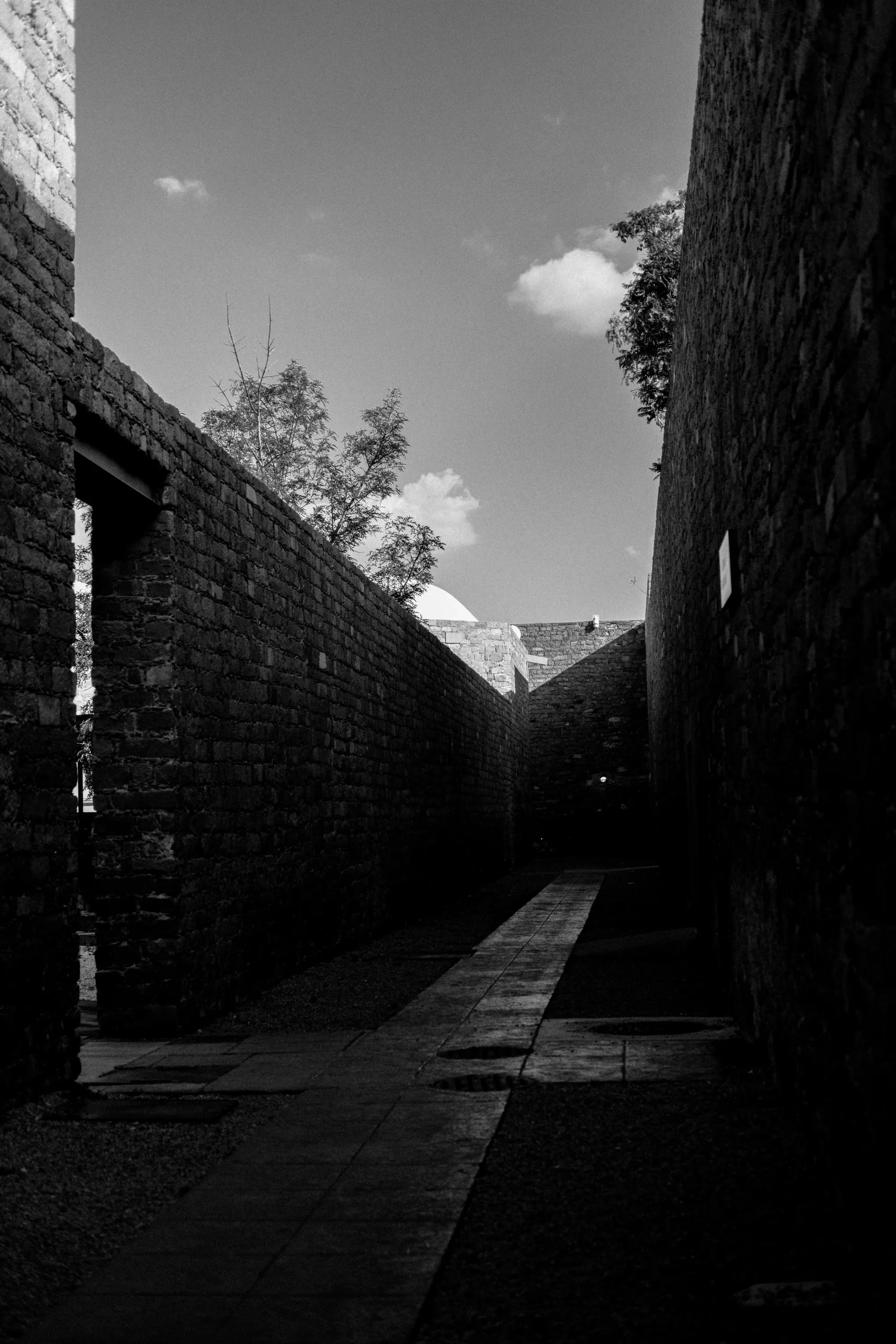
This prison operated for 100 years (from 1894 to 1999), and honestly, every corner of it is being put to use. Some areas were slightly adapted, but most of the galleries that were once used for punishment and isolation are now rooms filled with art, galleries, and spaces for dance, music, theater, and painting. Even inside the cells where inmates were once held (one cell has been preserved intact to keep that history alive), you'll find temporary exhibitions by different artists.
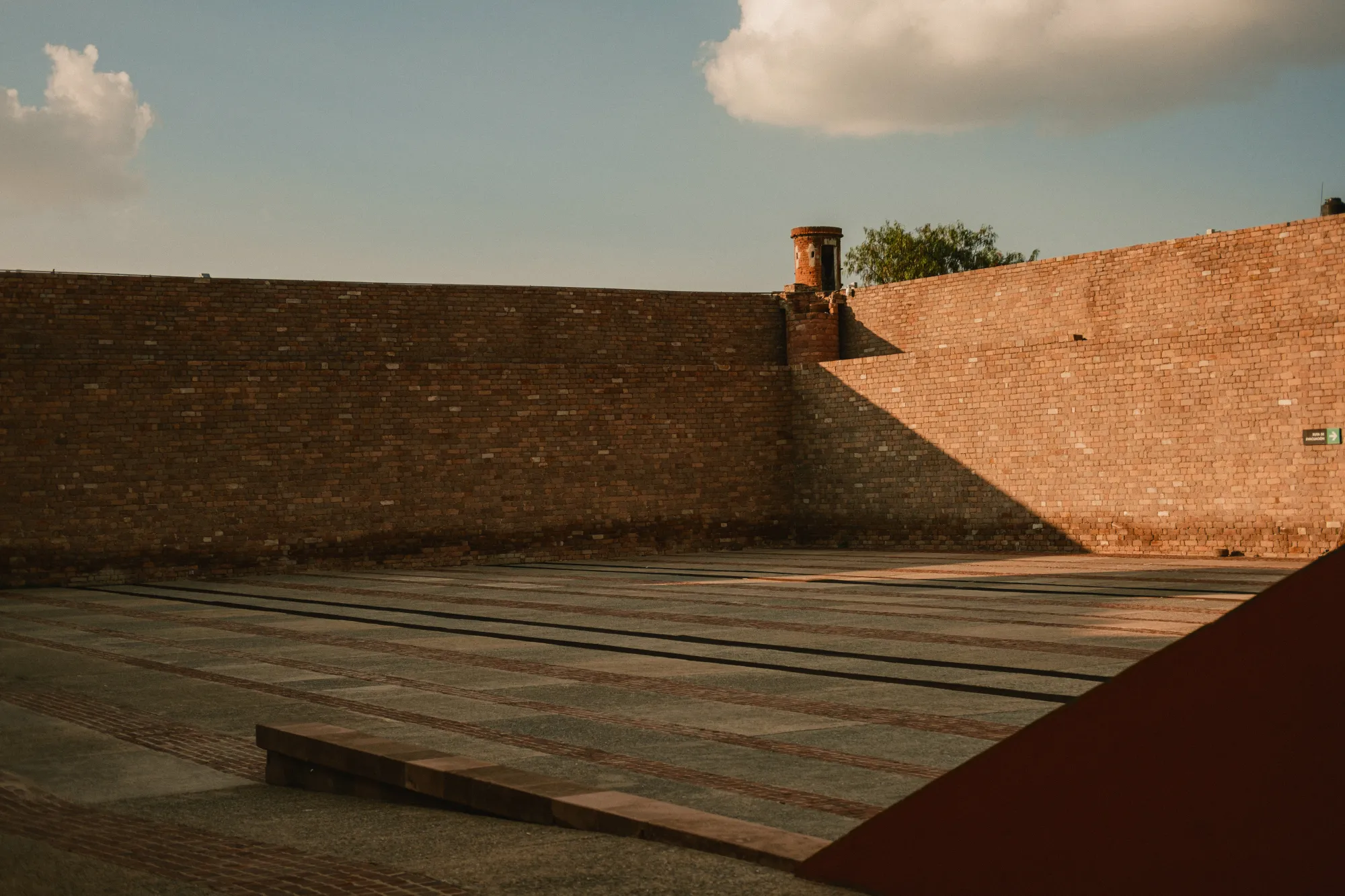
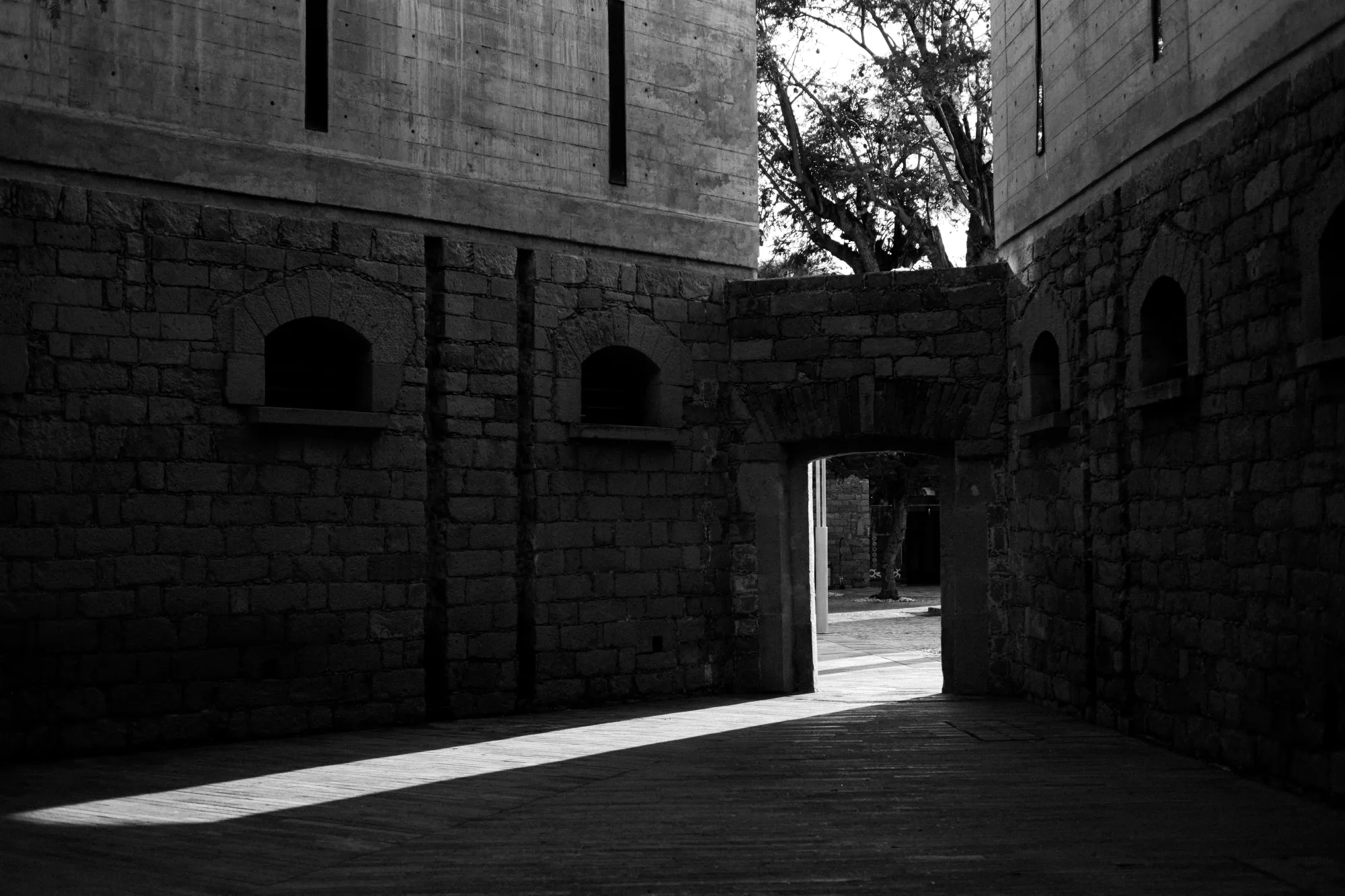
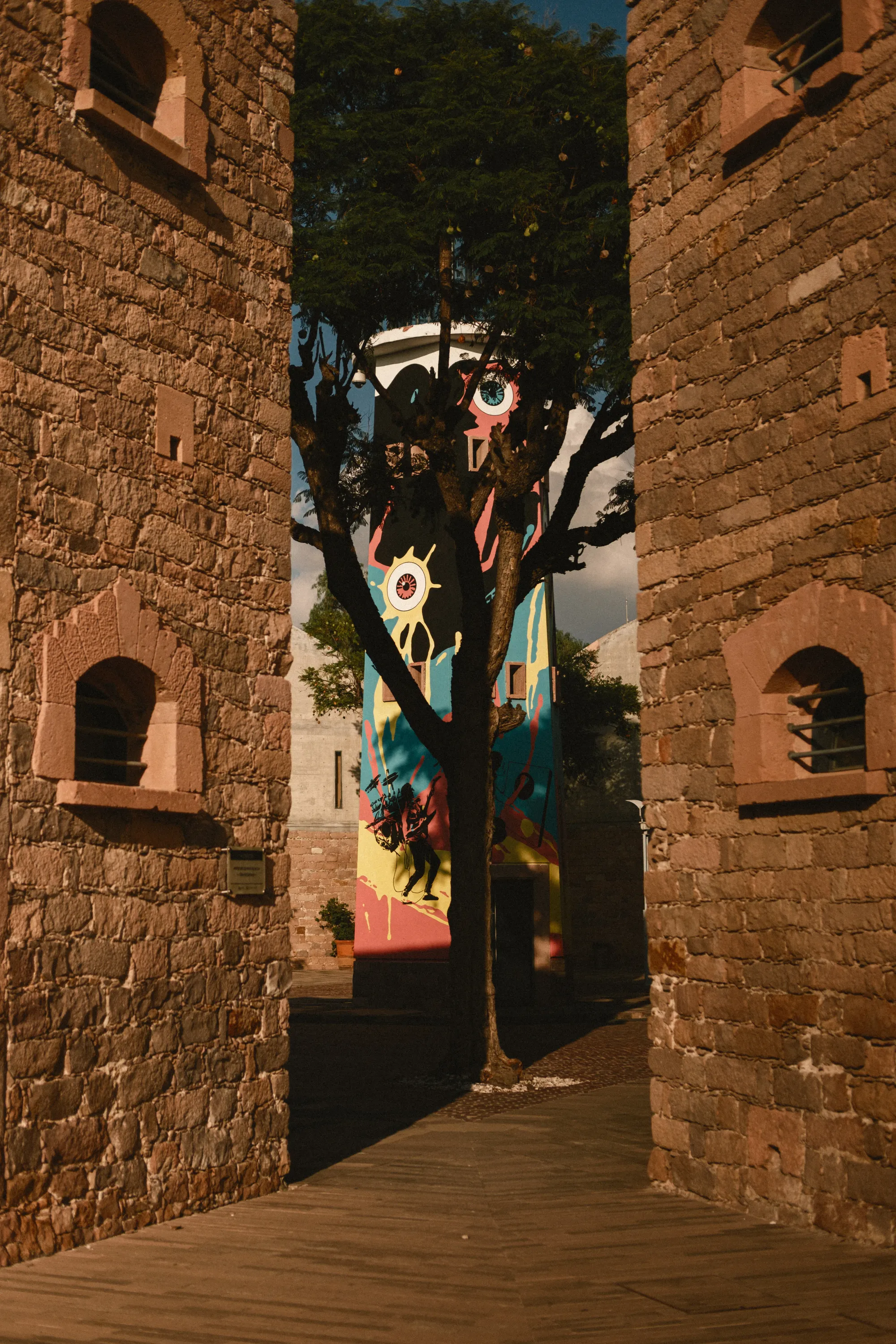
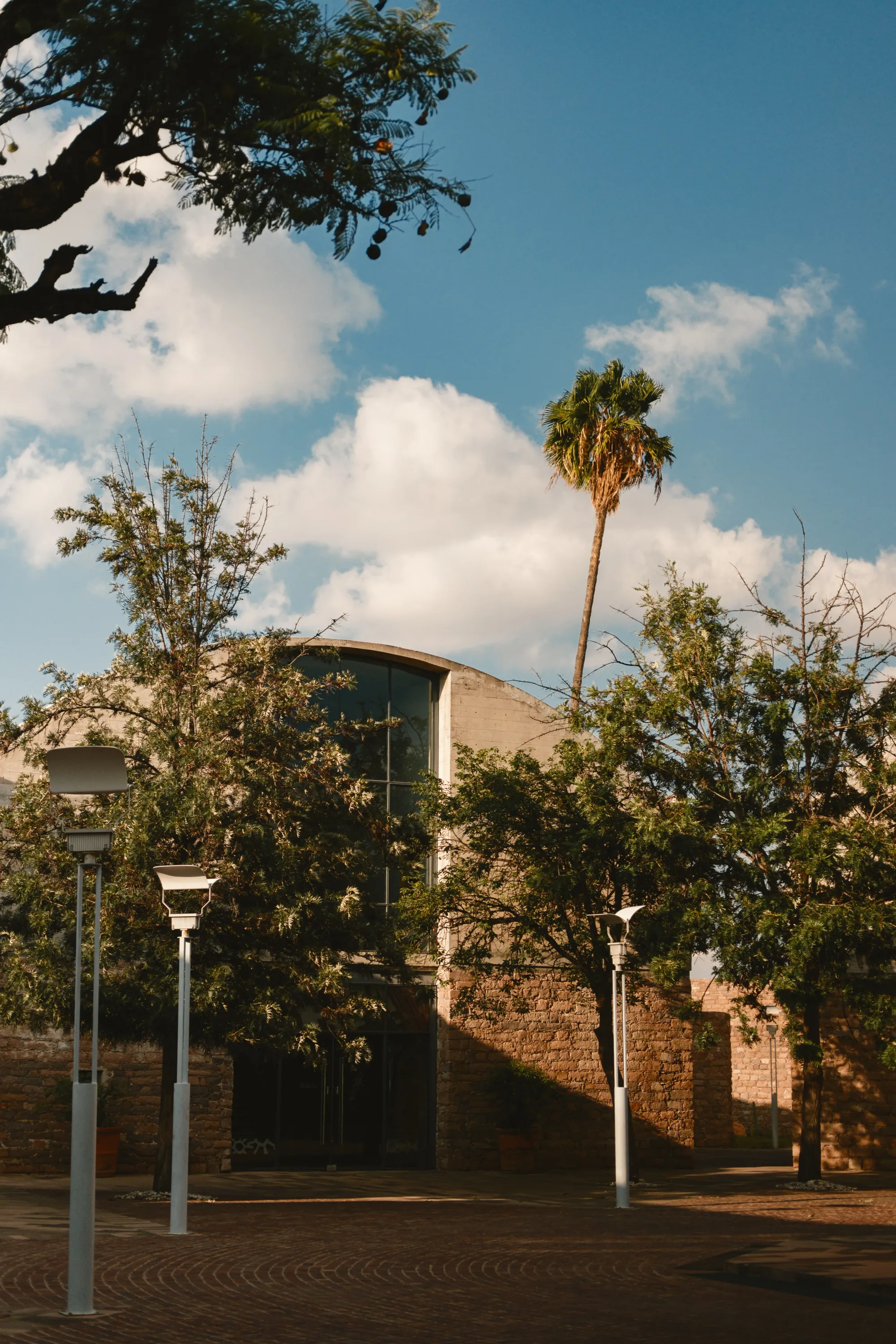
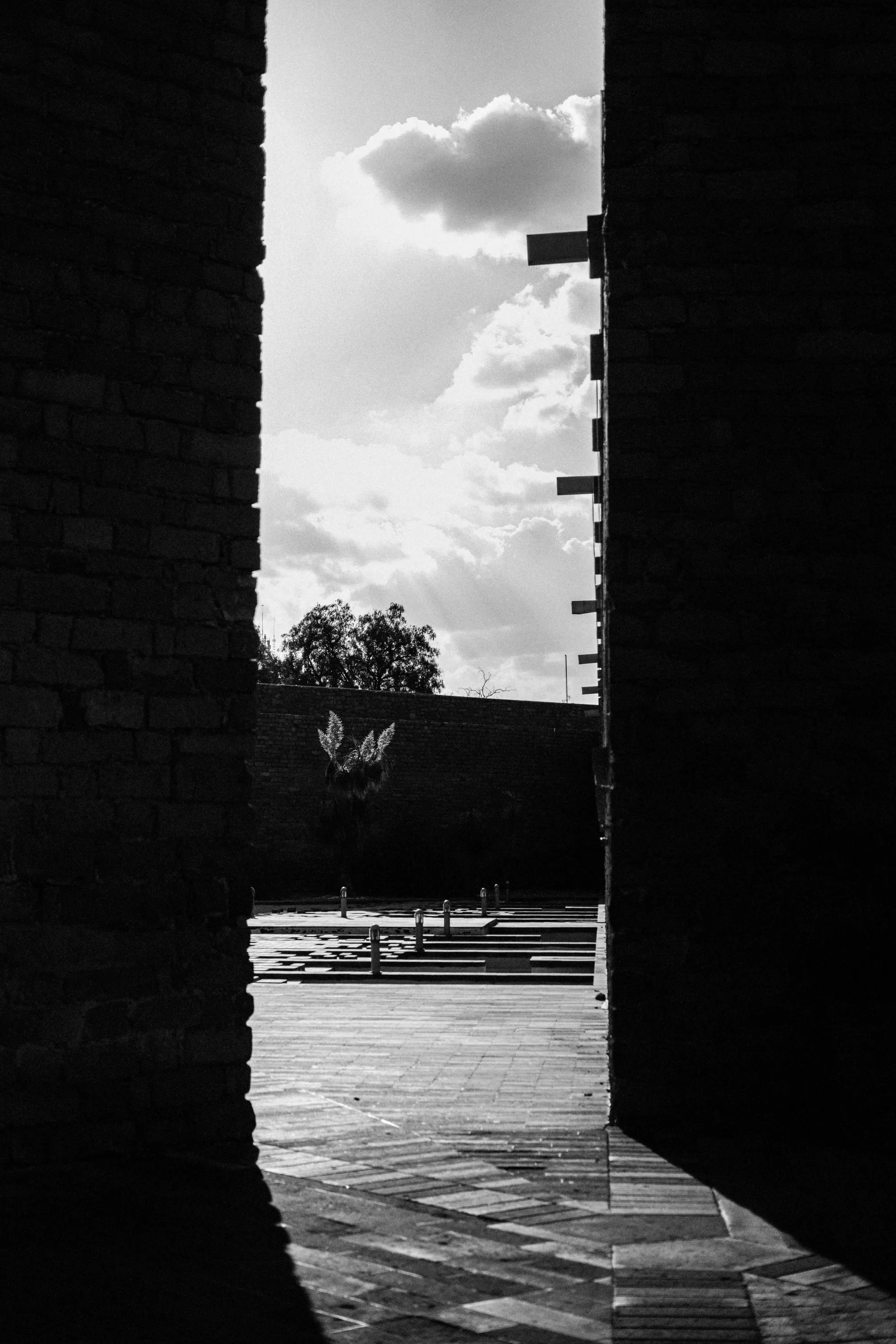
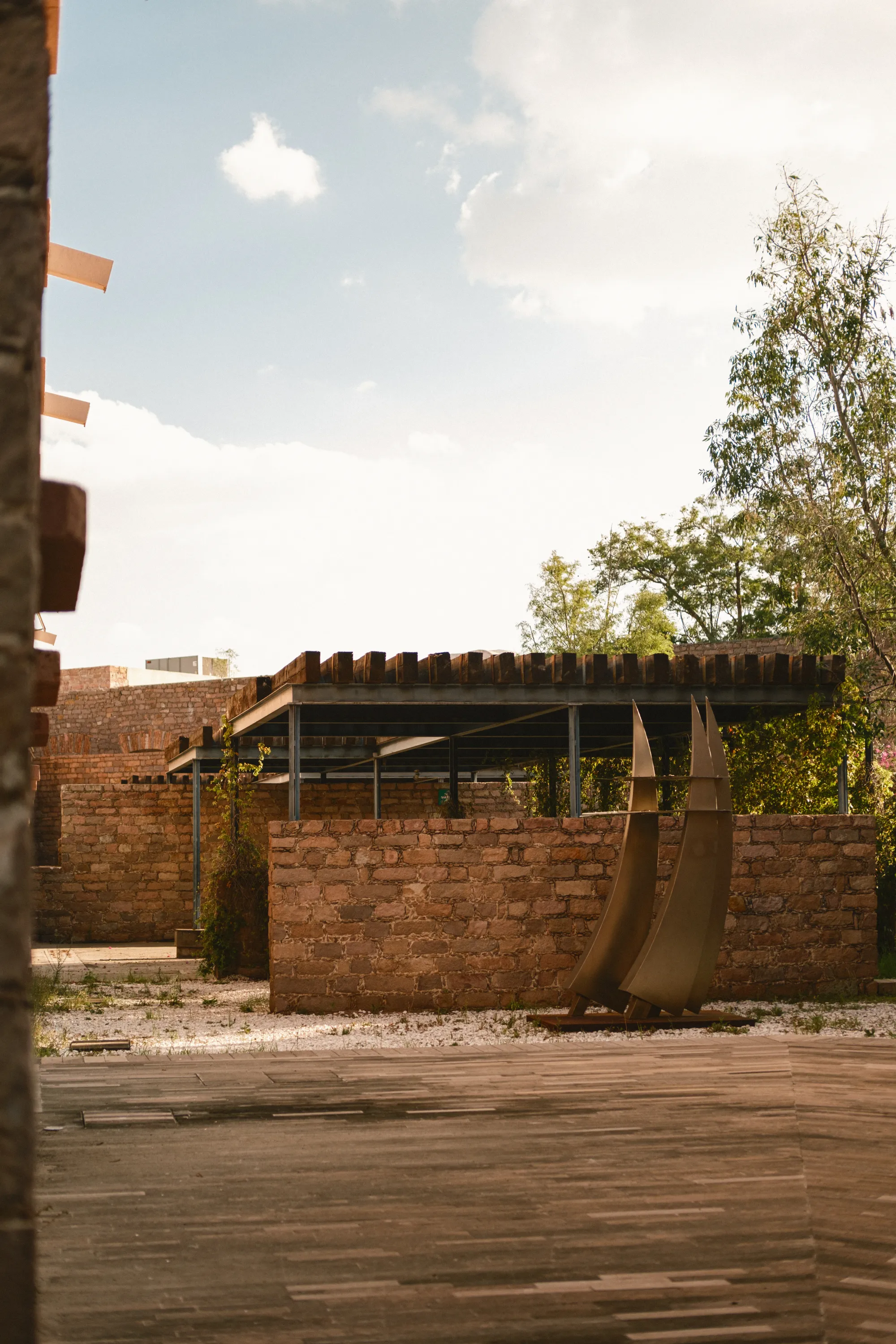
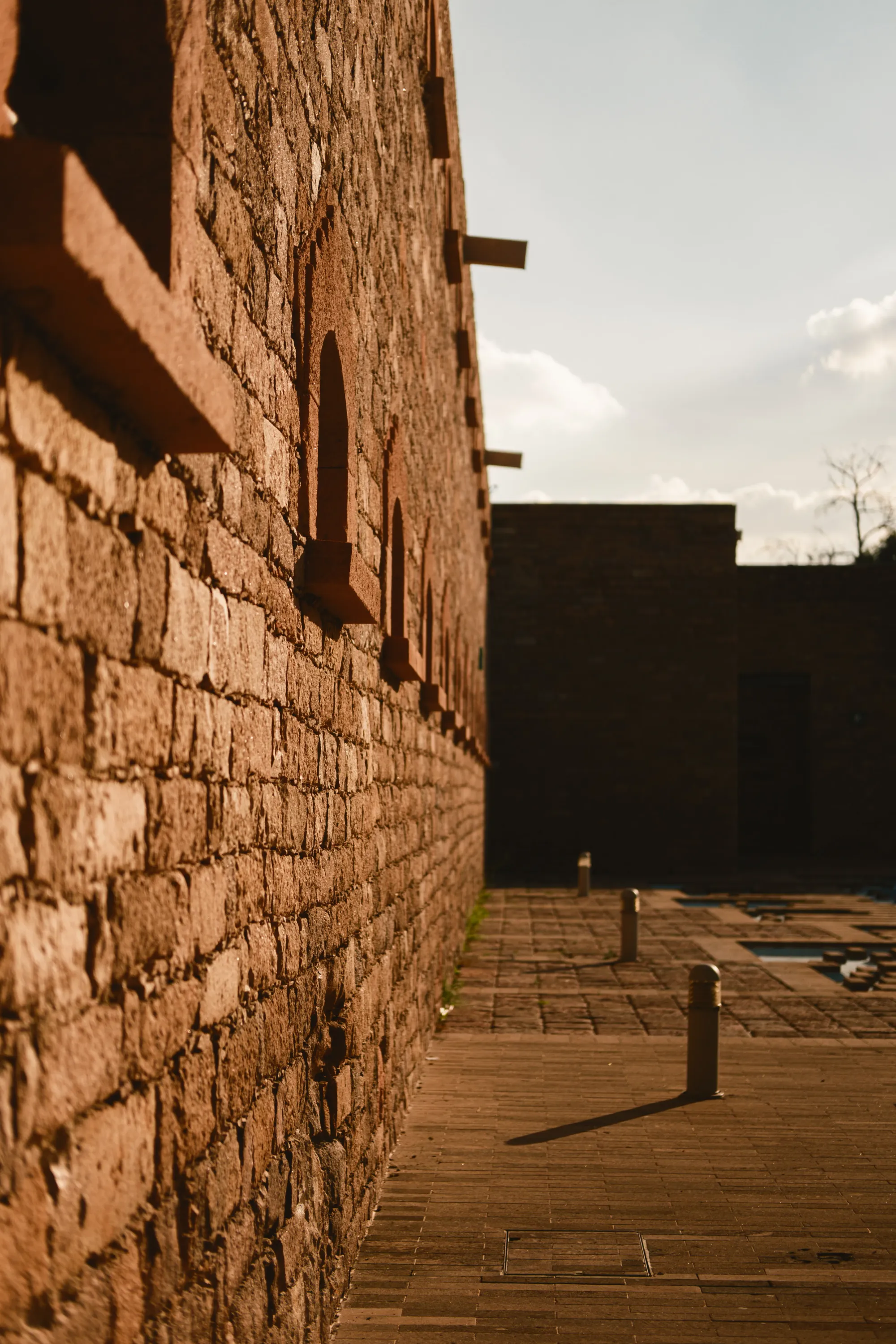
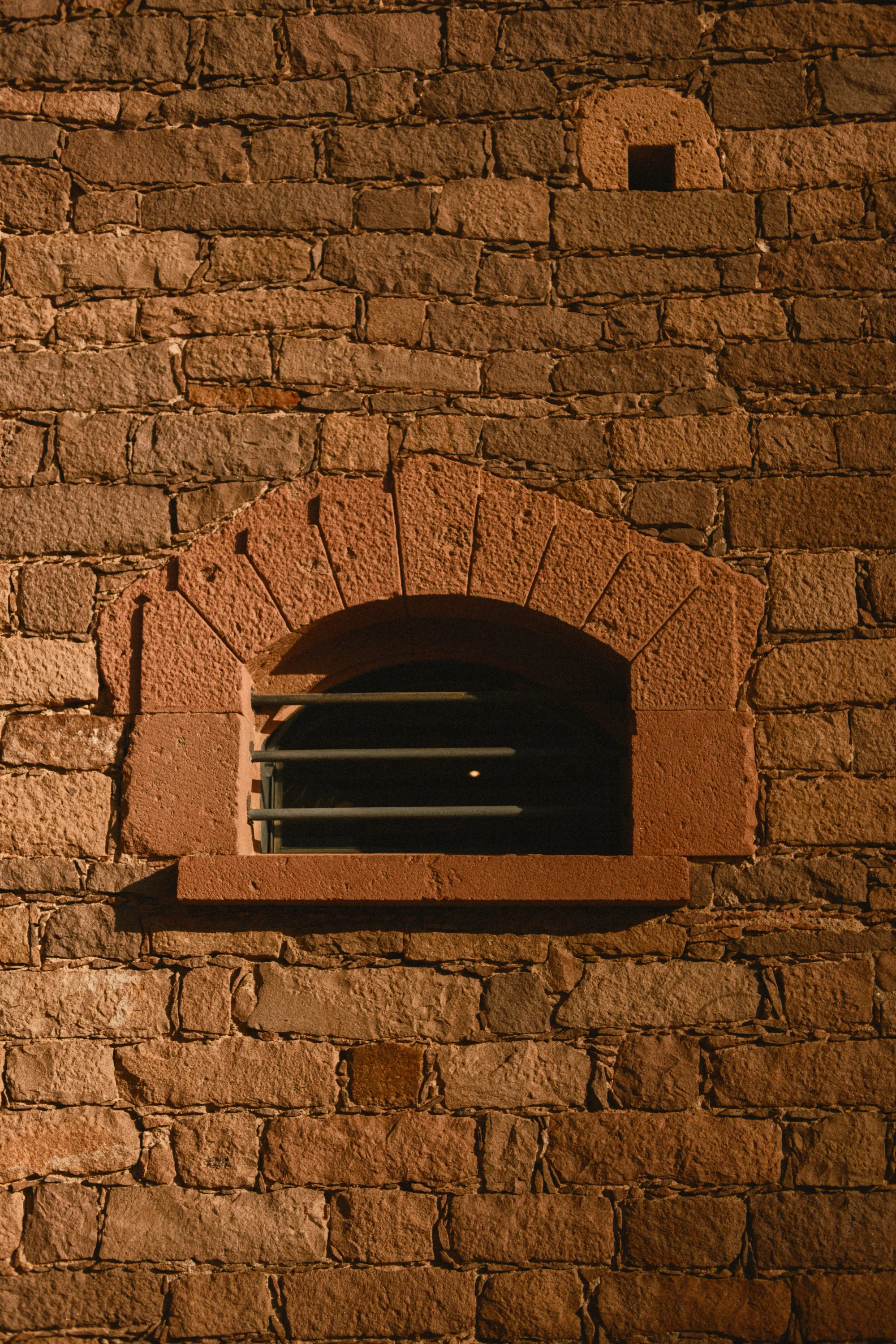
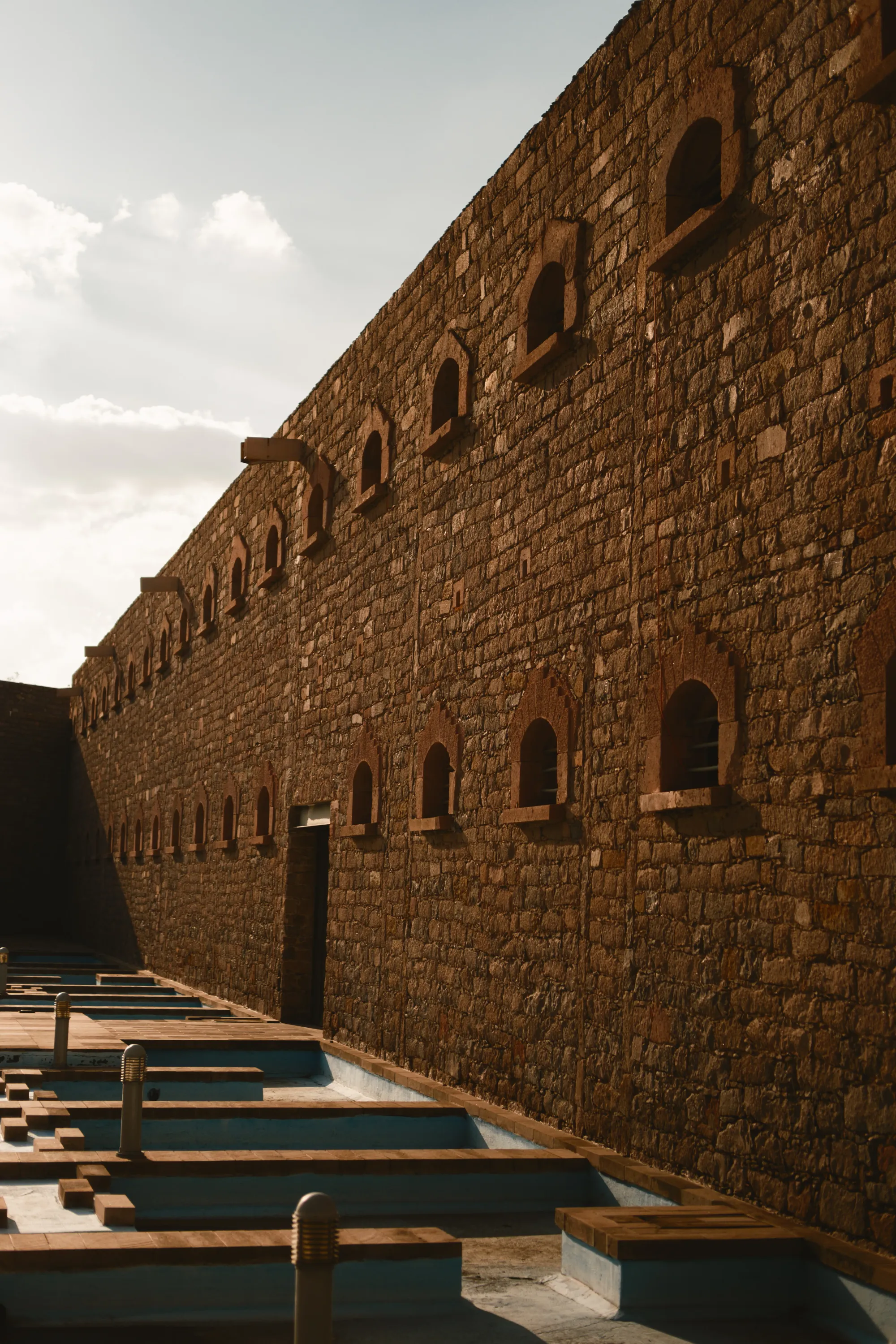
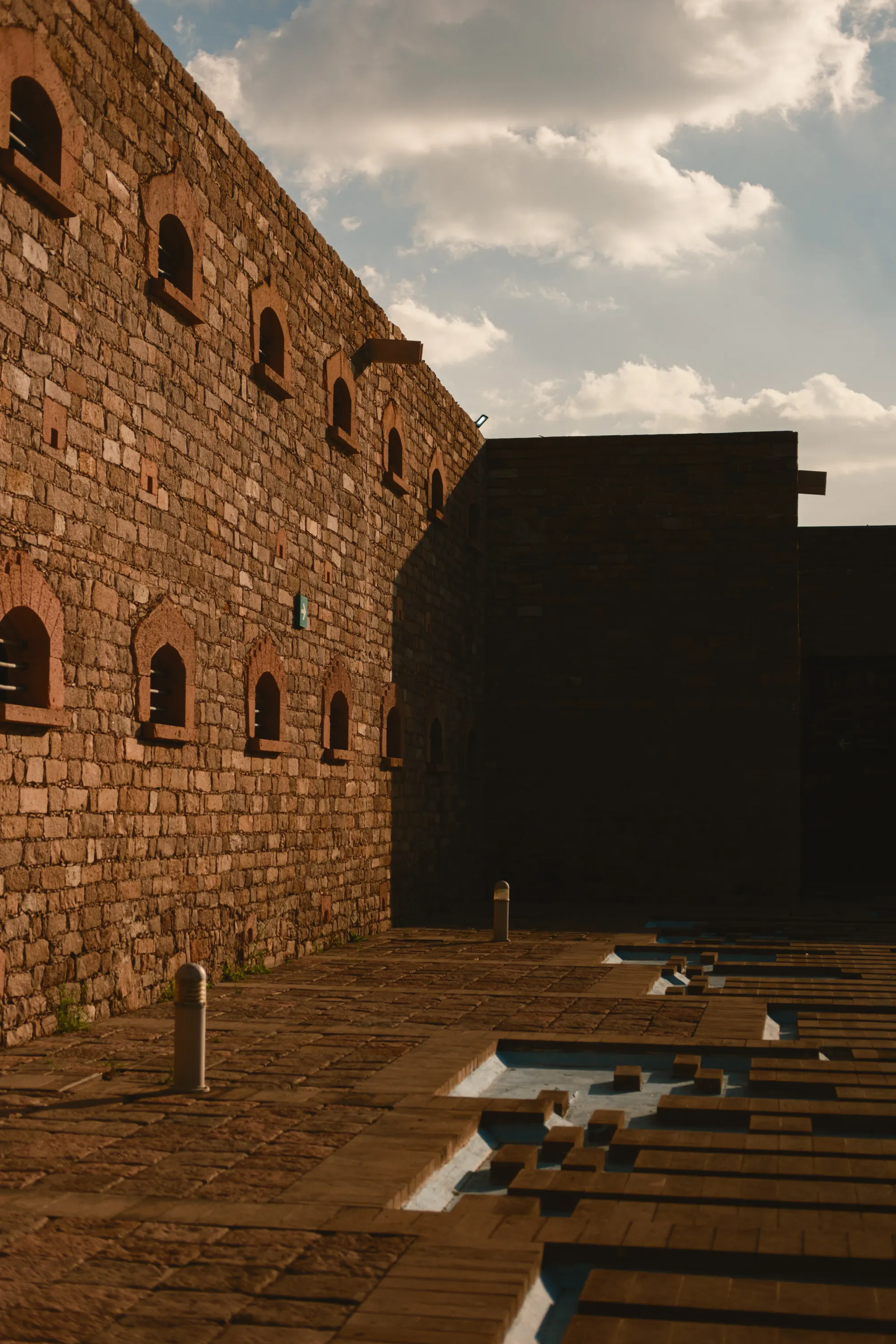
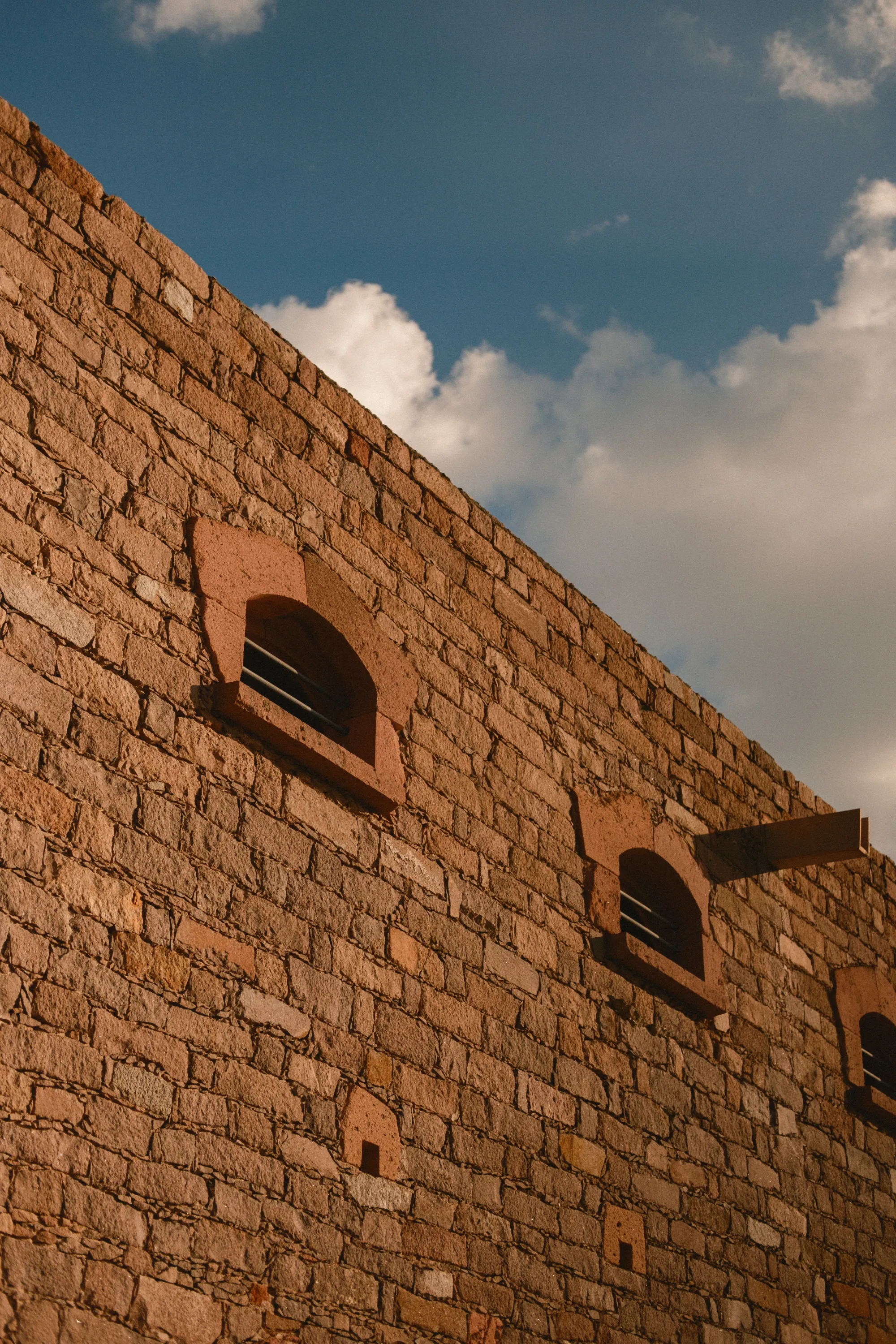
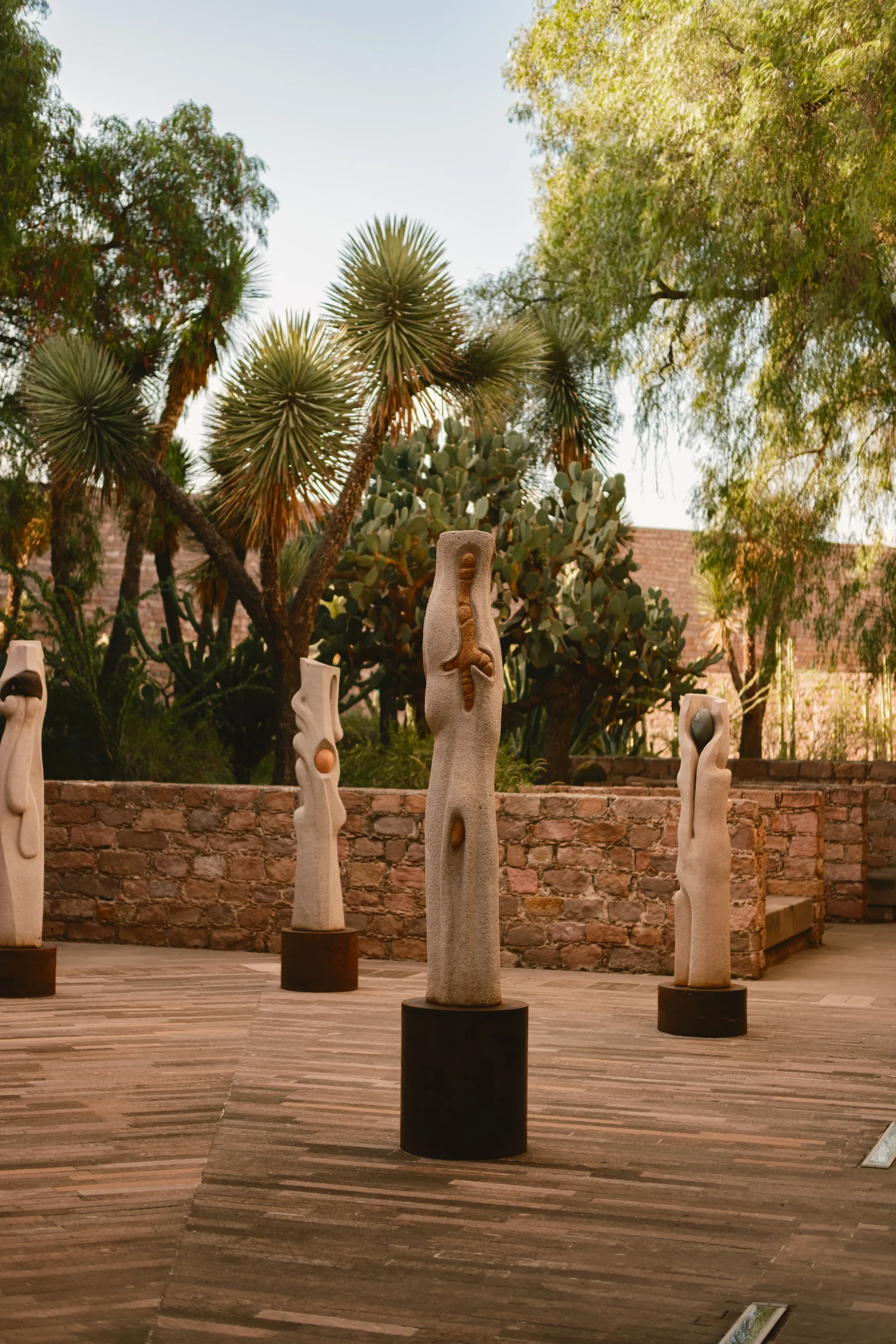
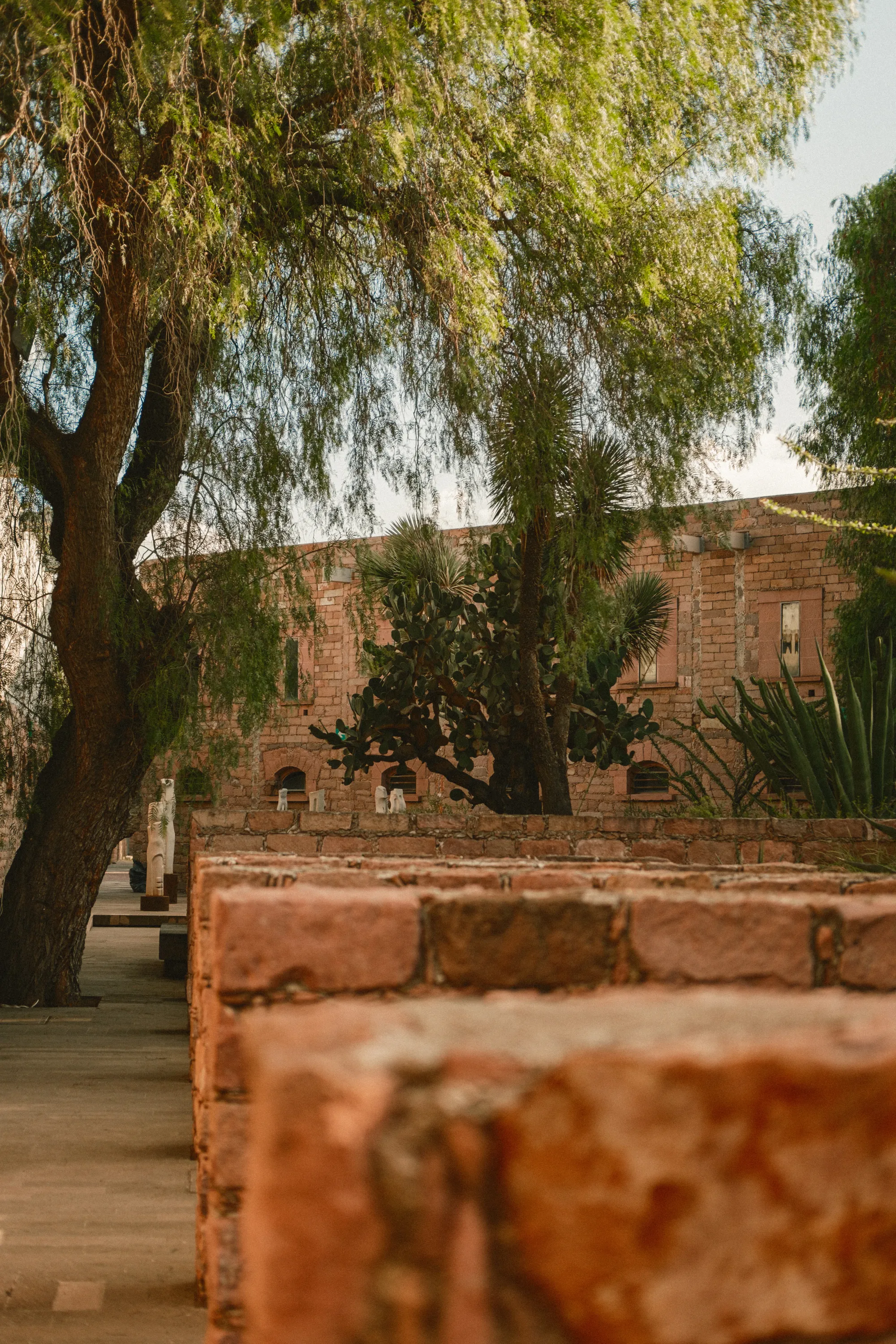
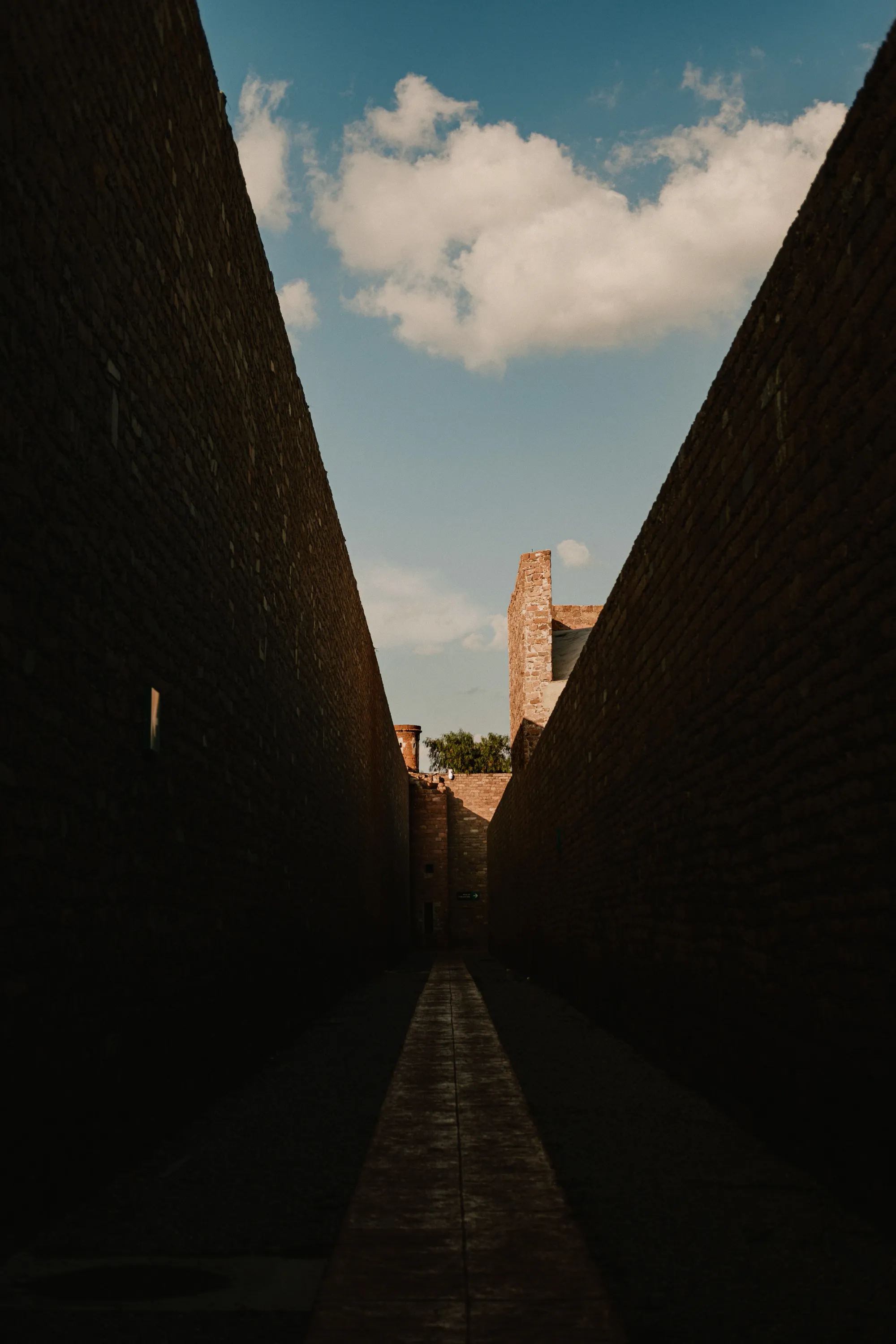
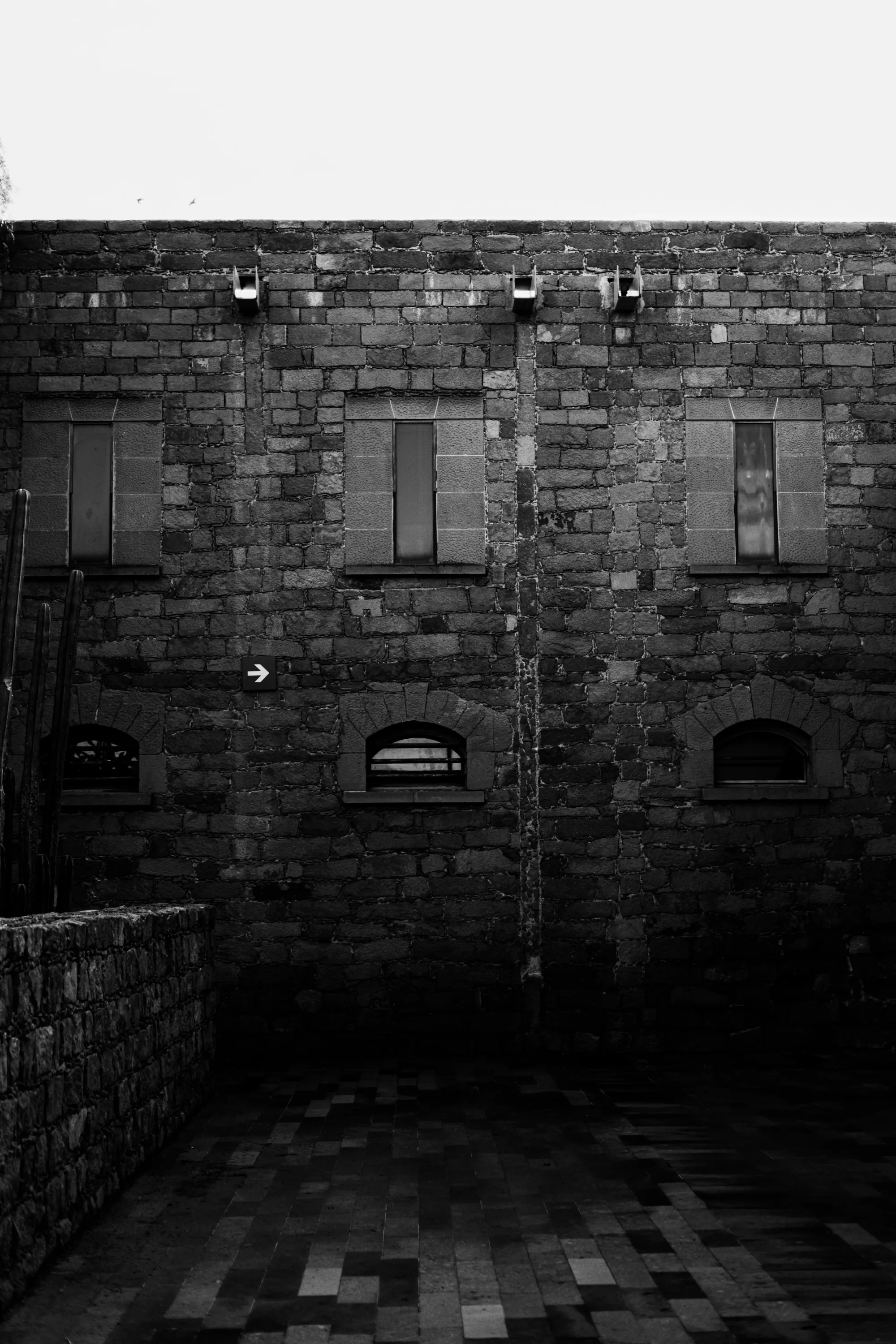
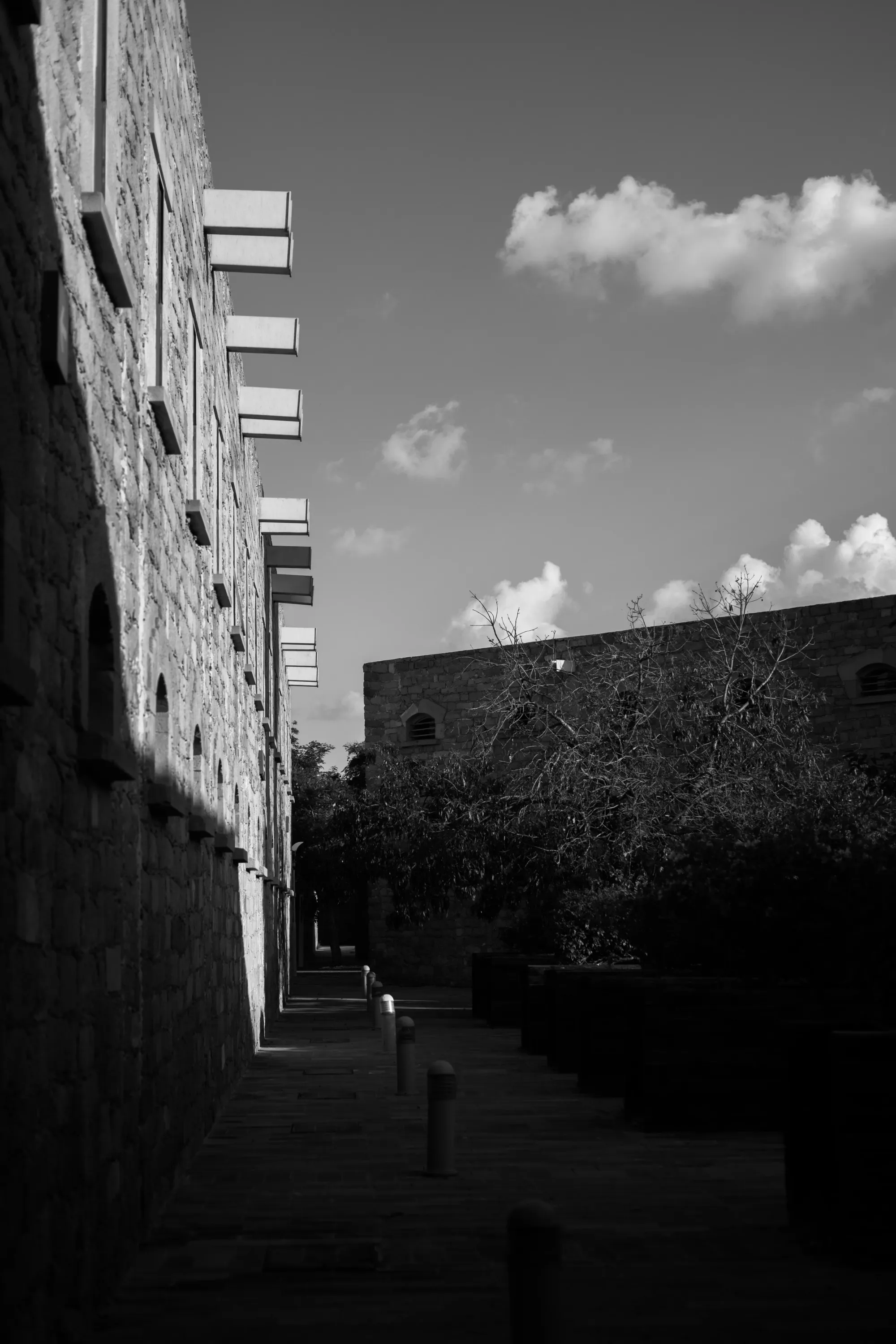
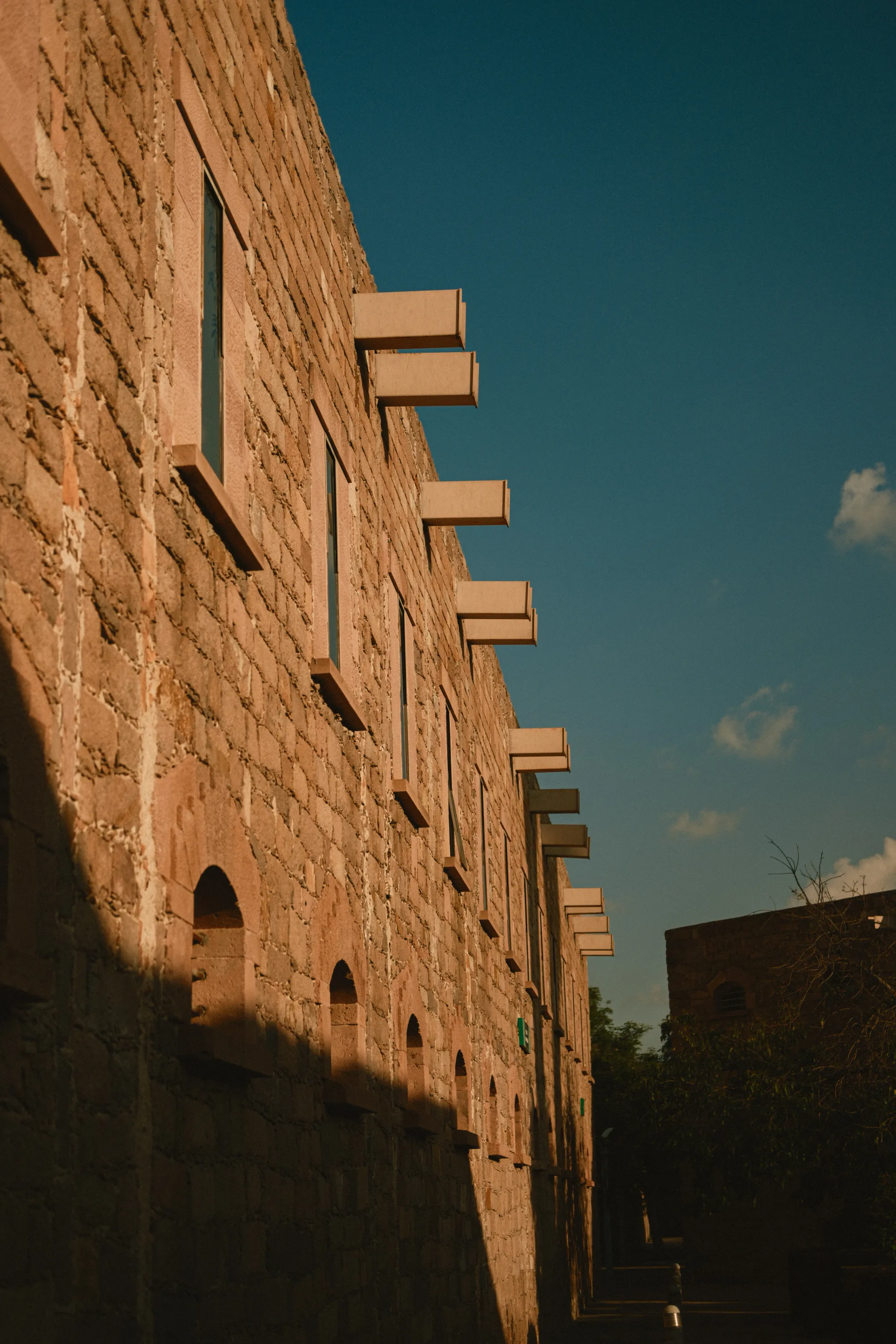
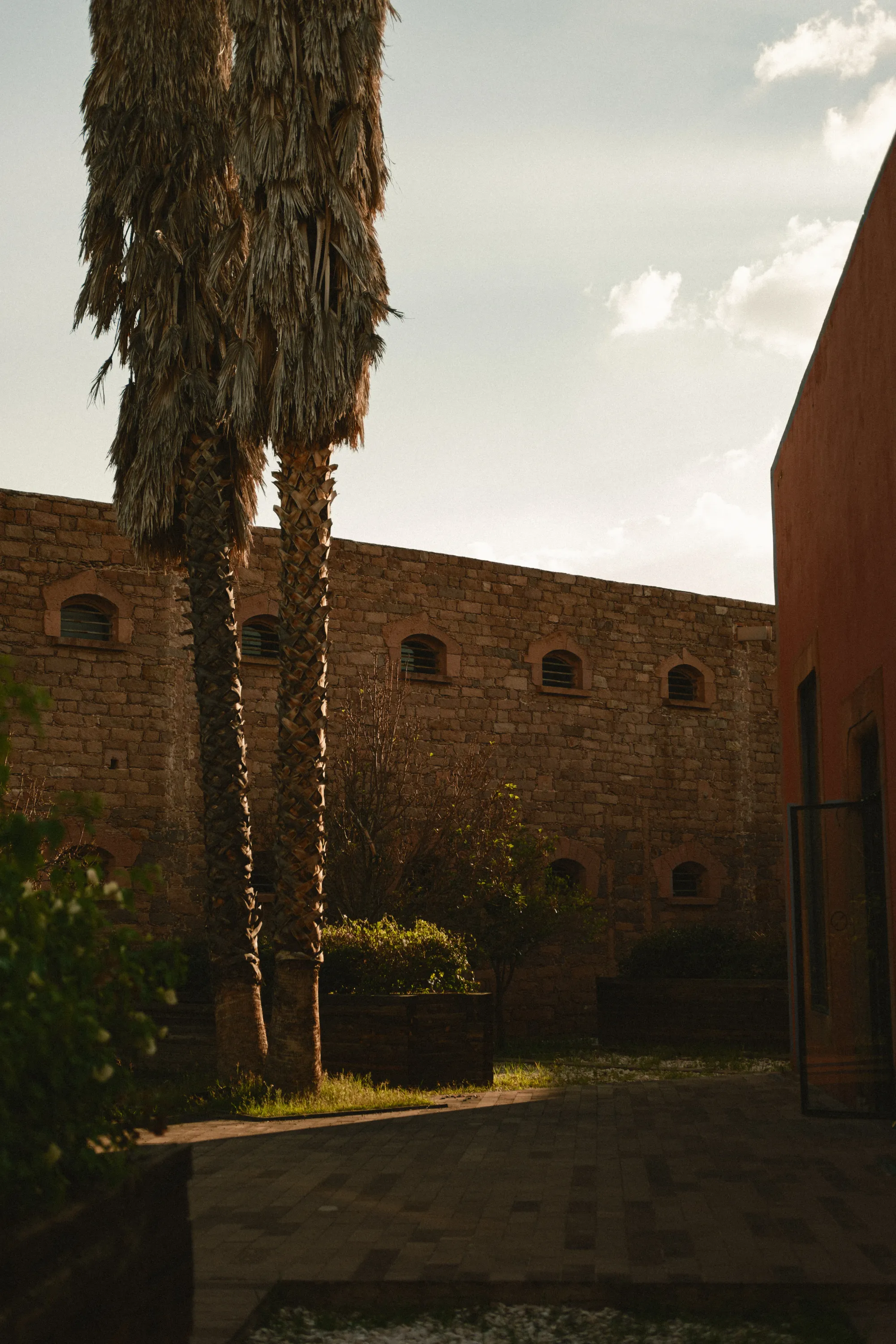
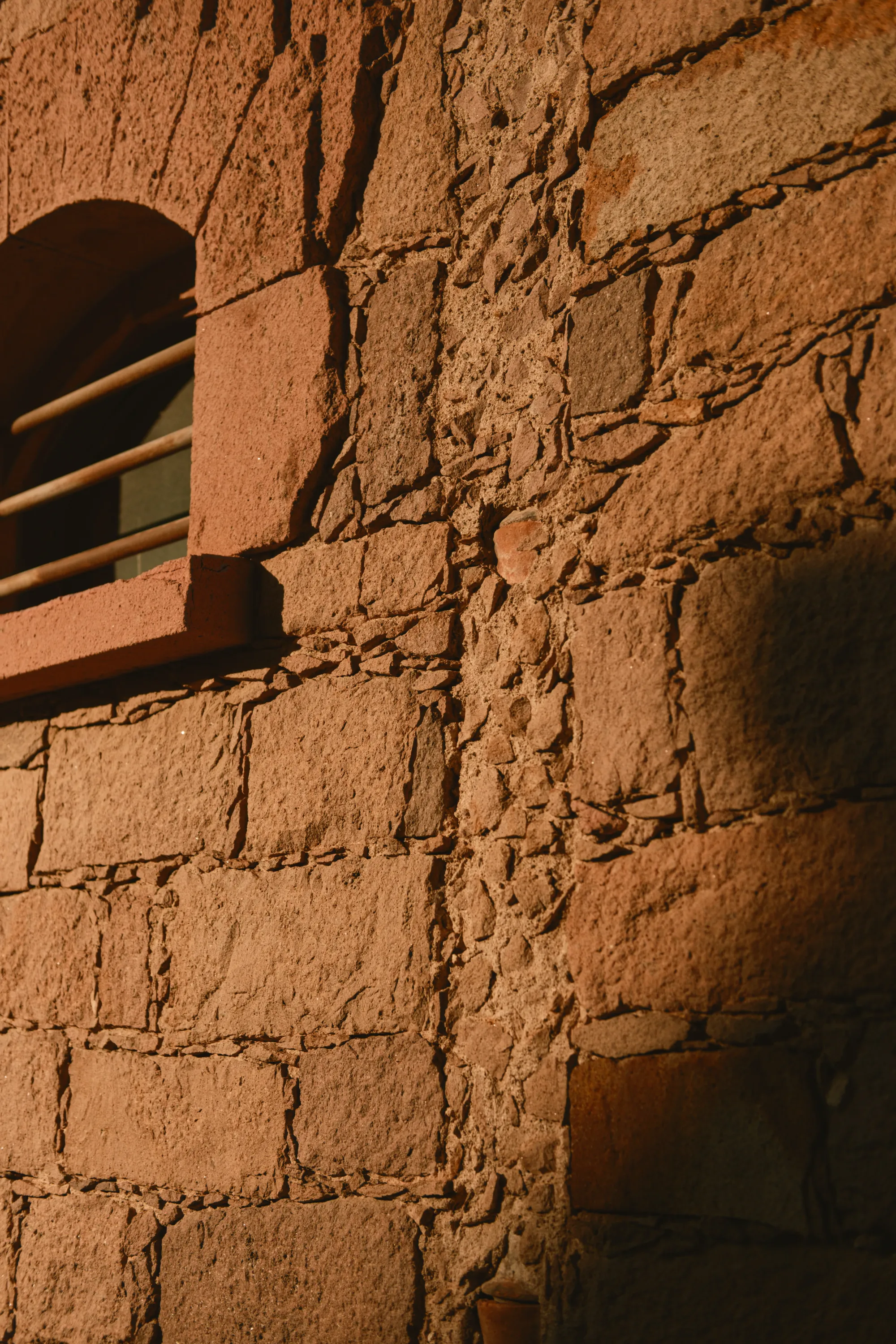
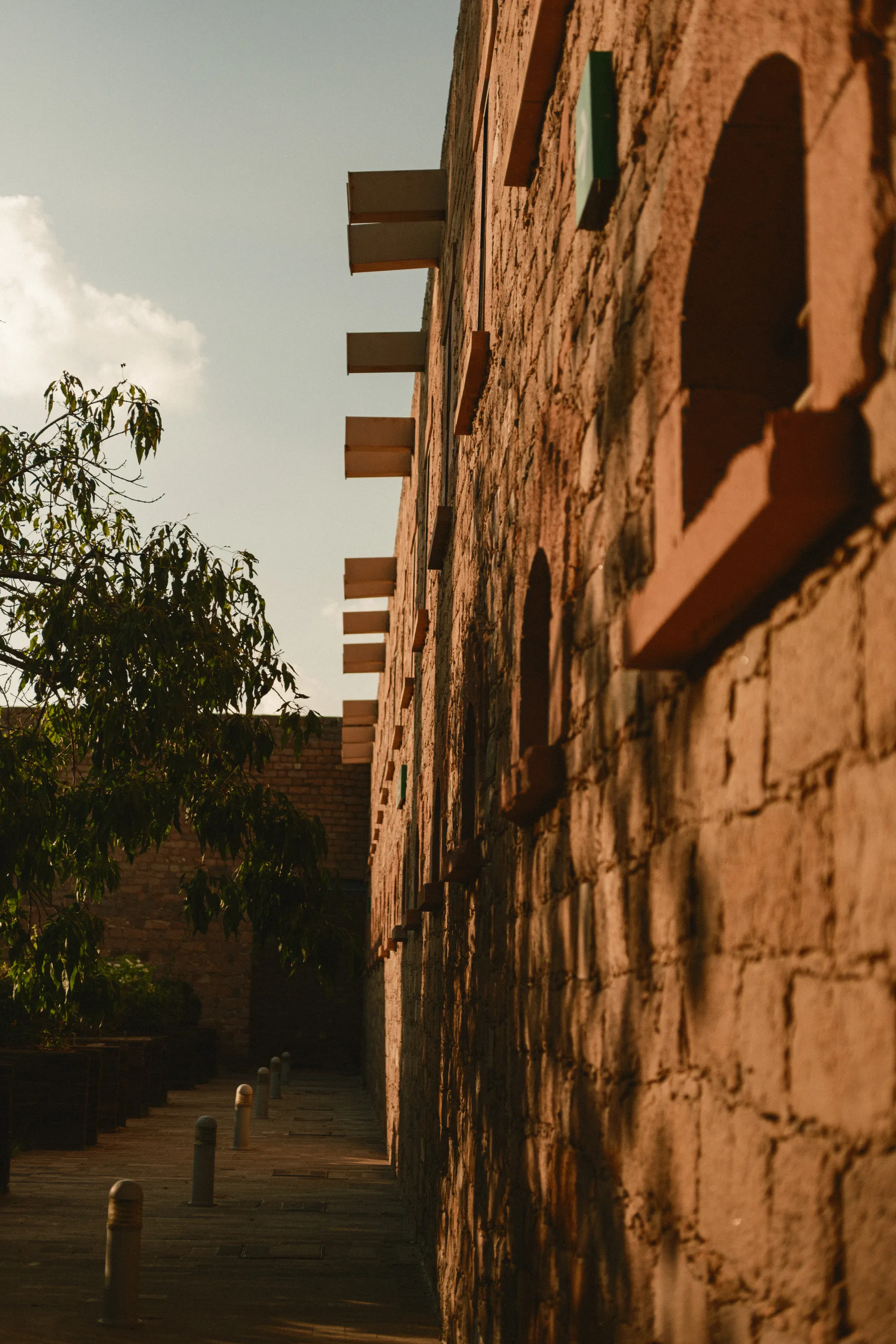
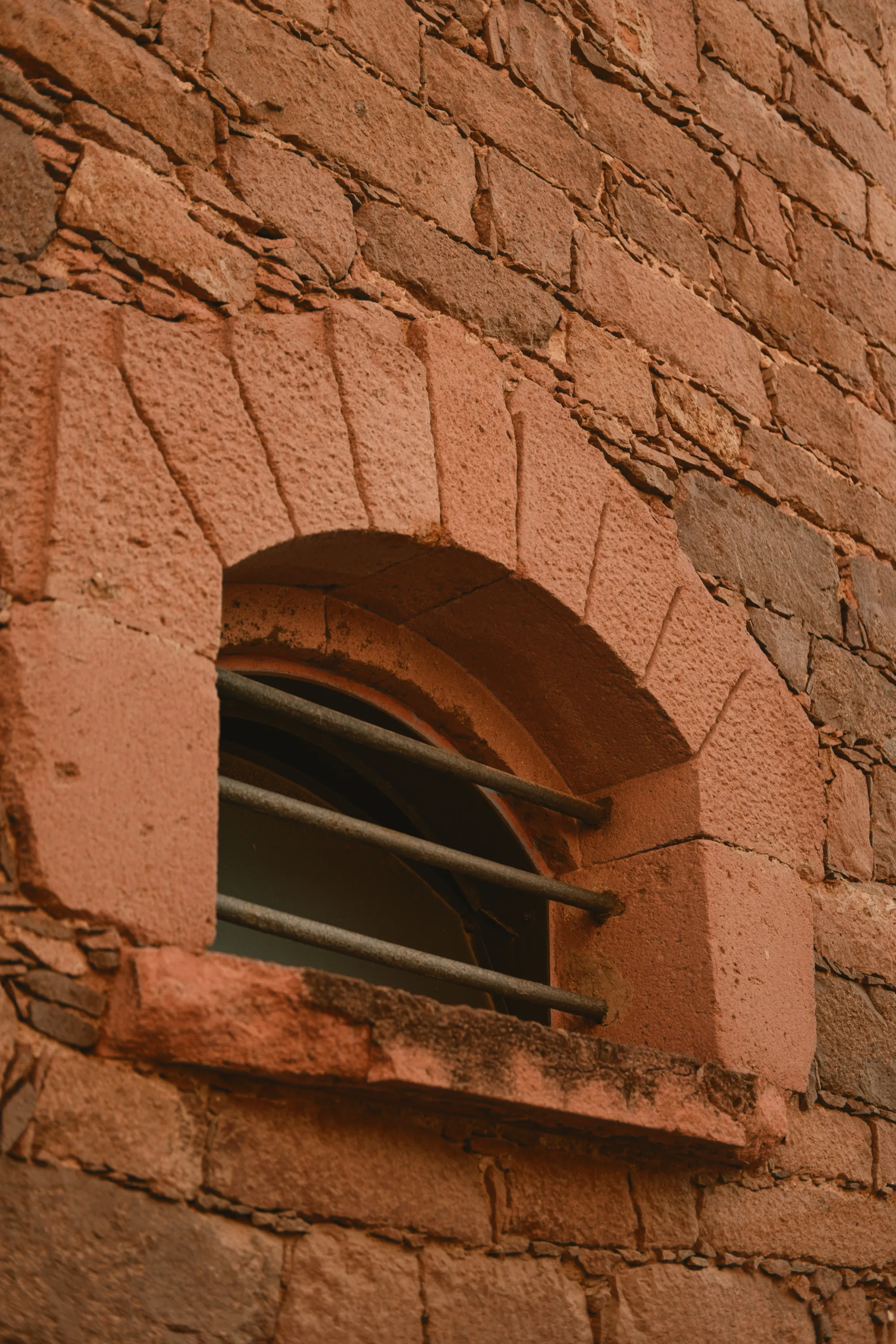
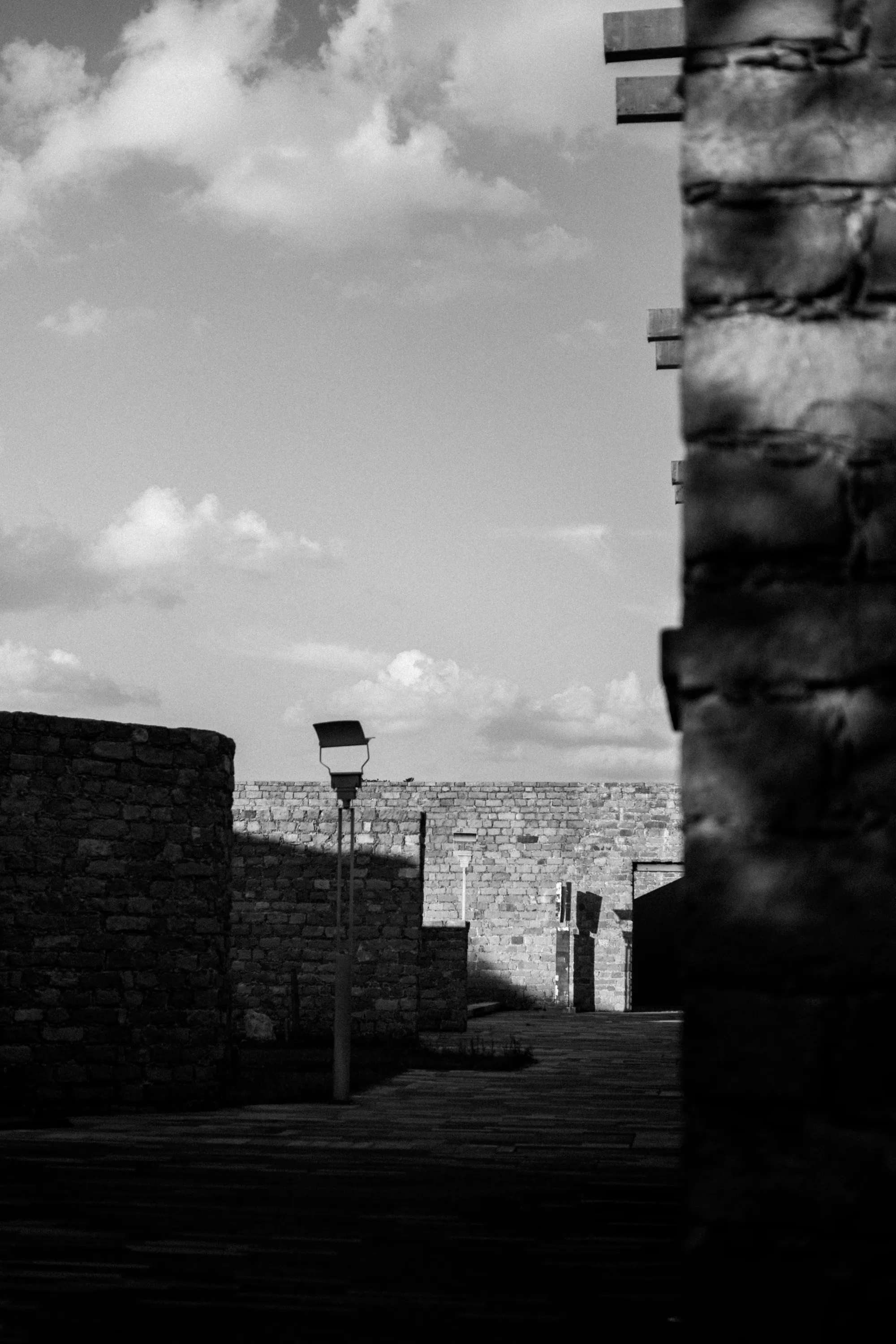
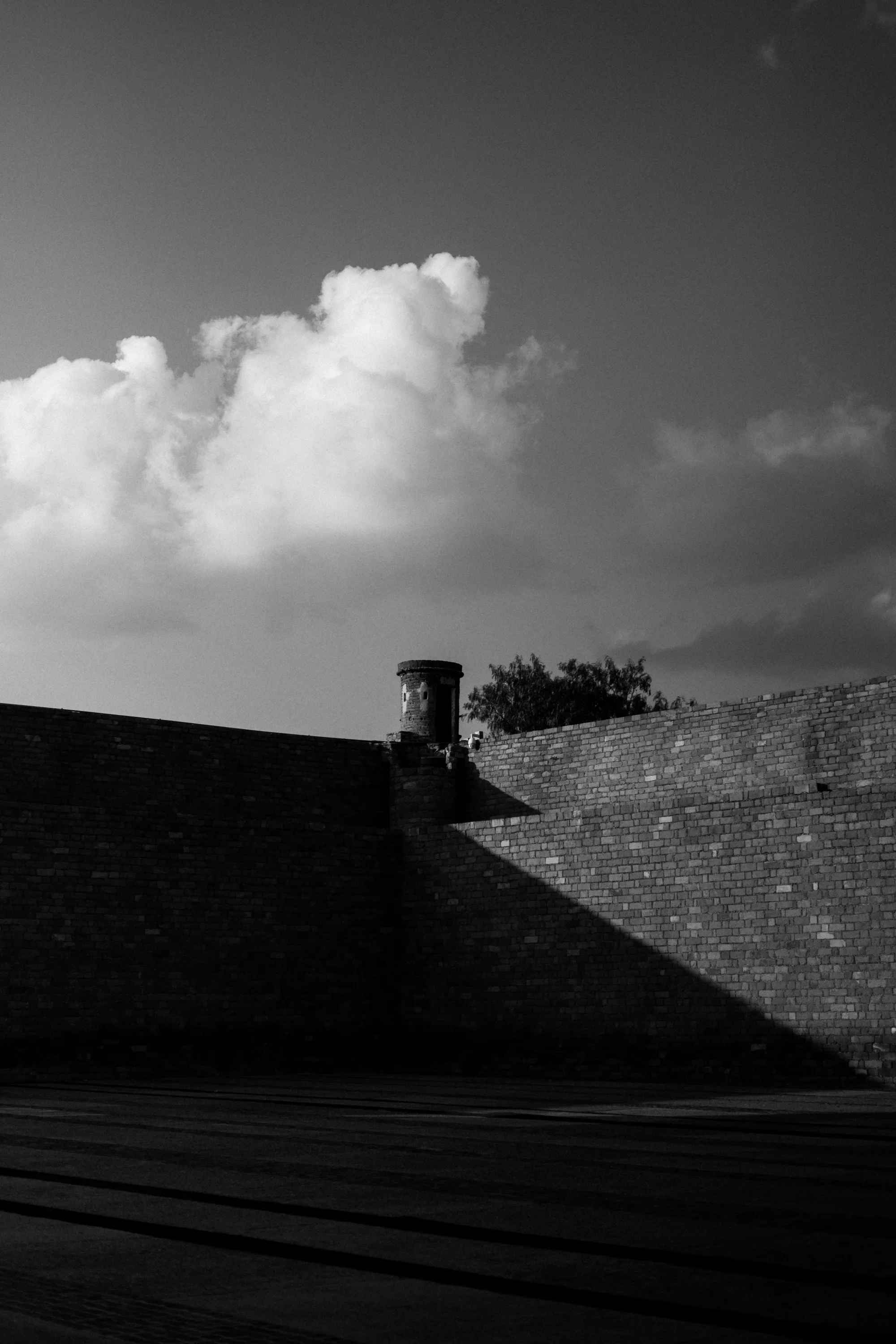
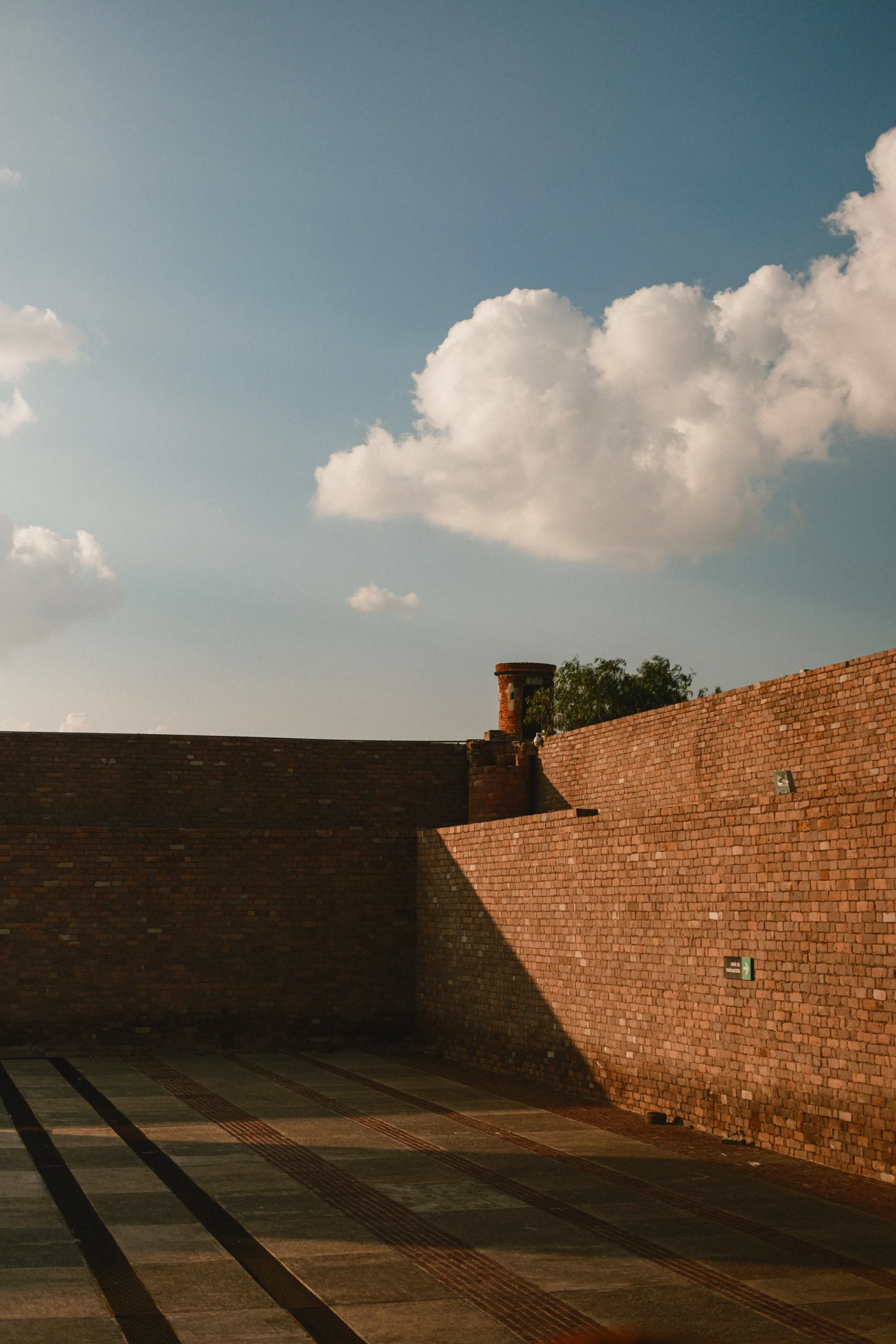
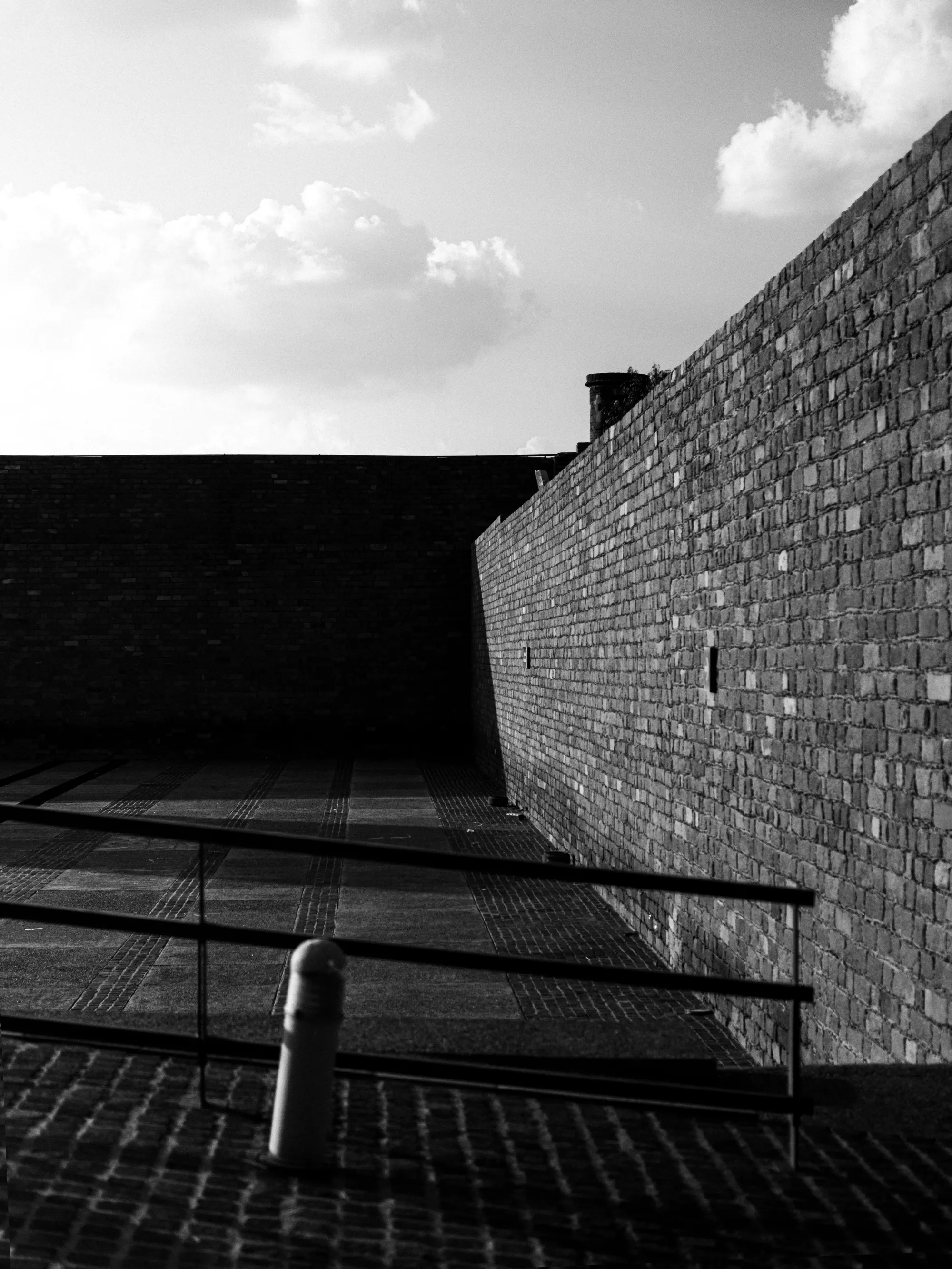
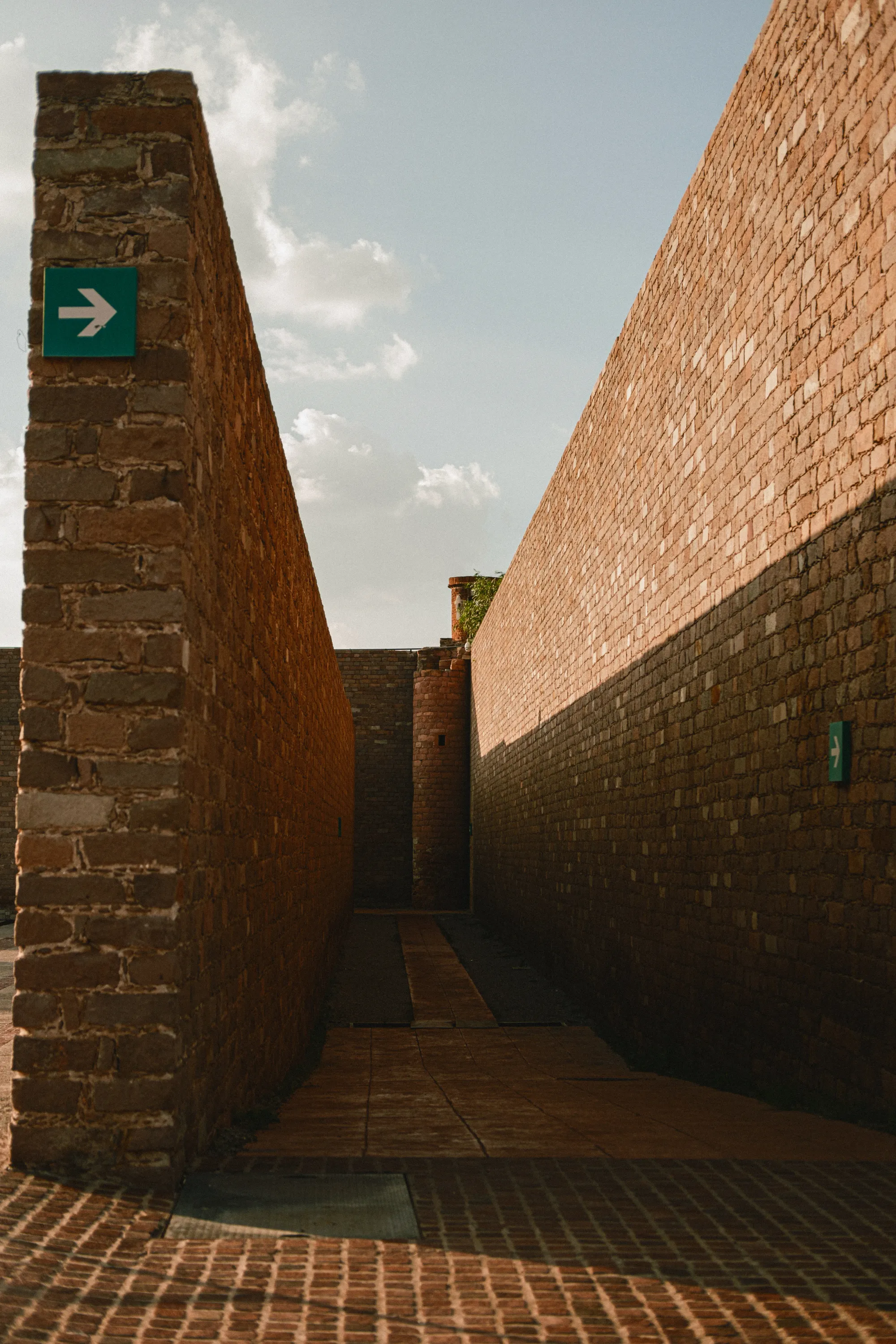
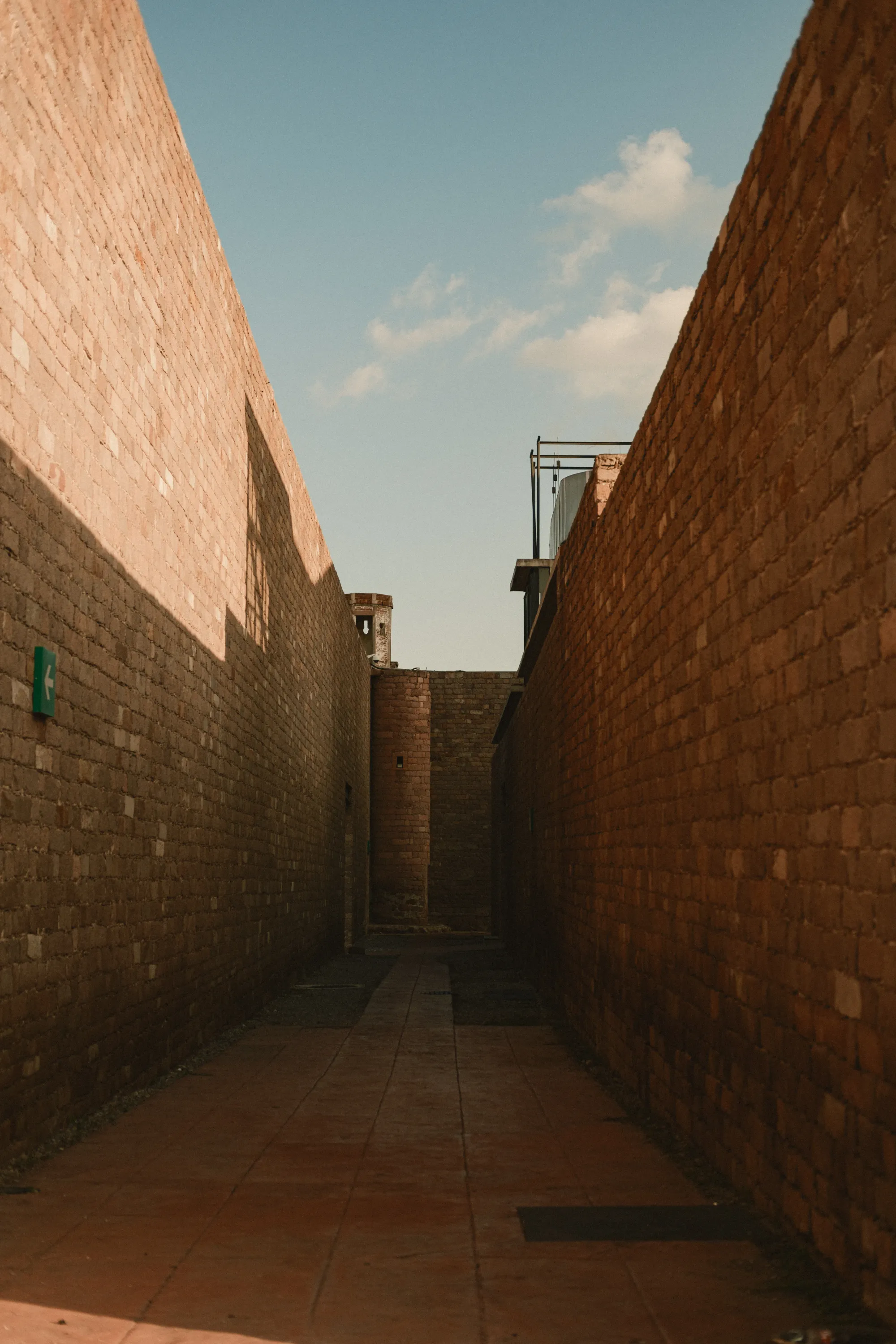
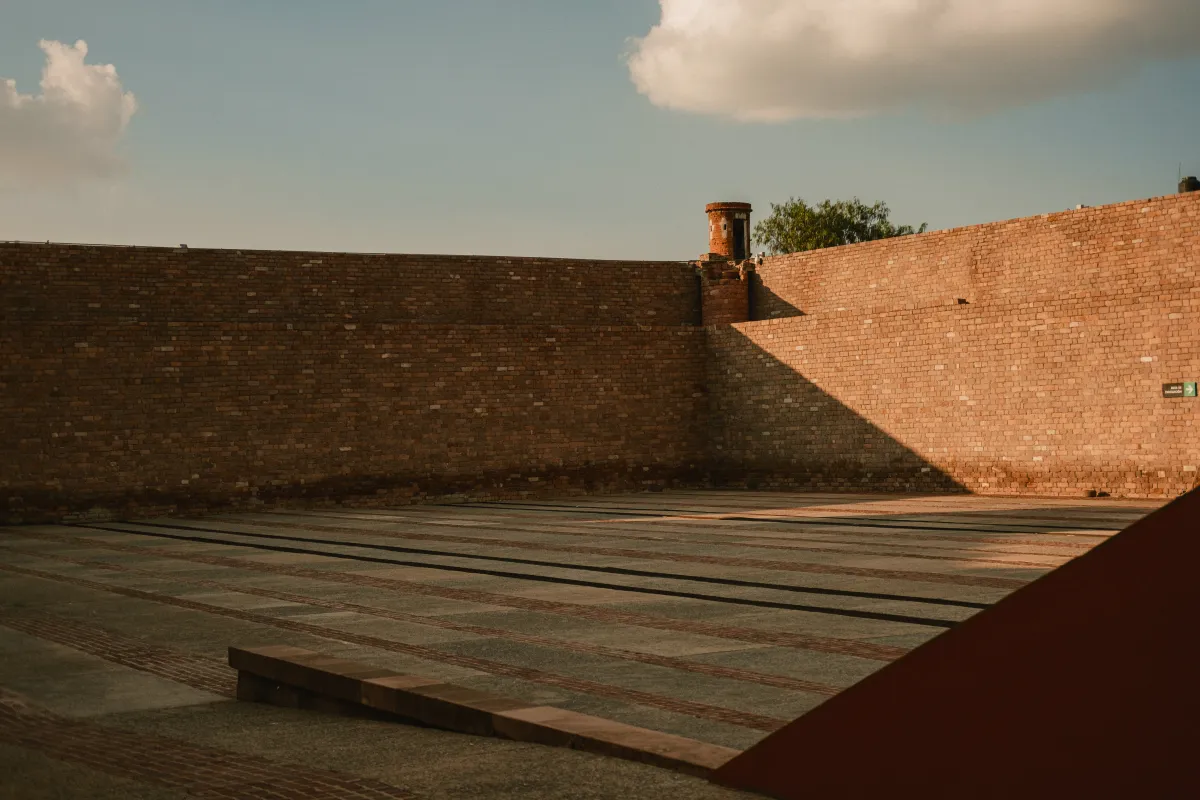
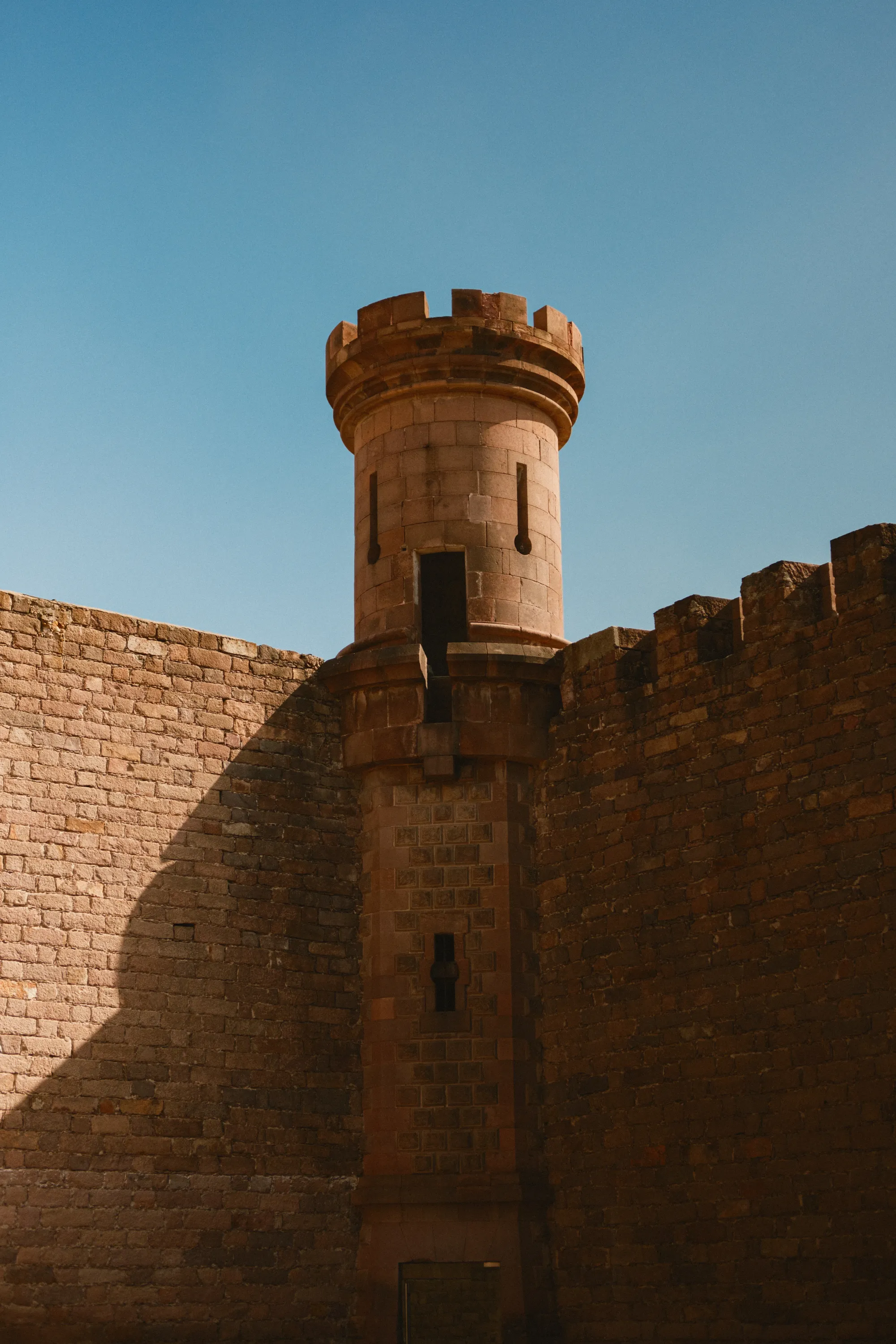
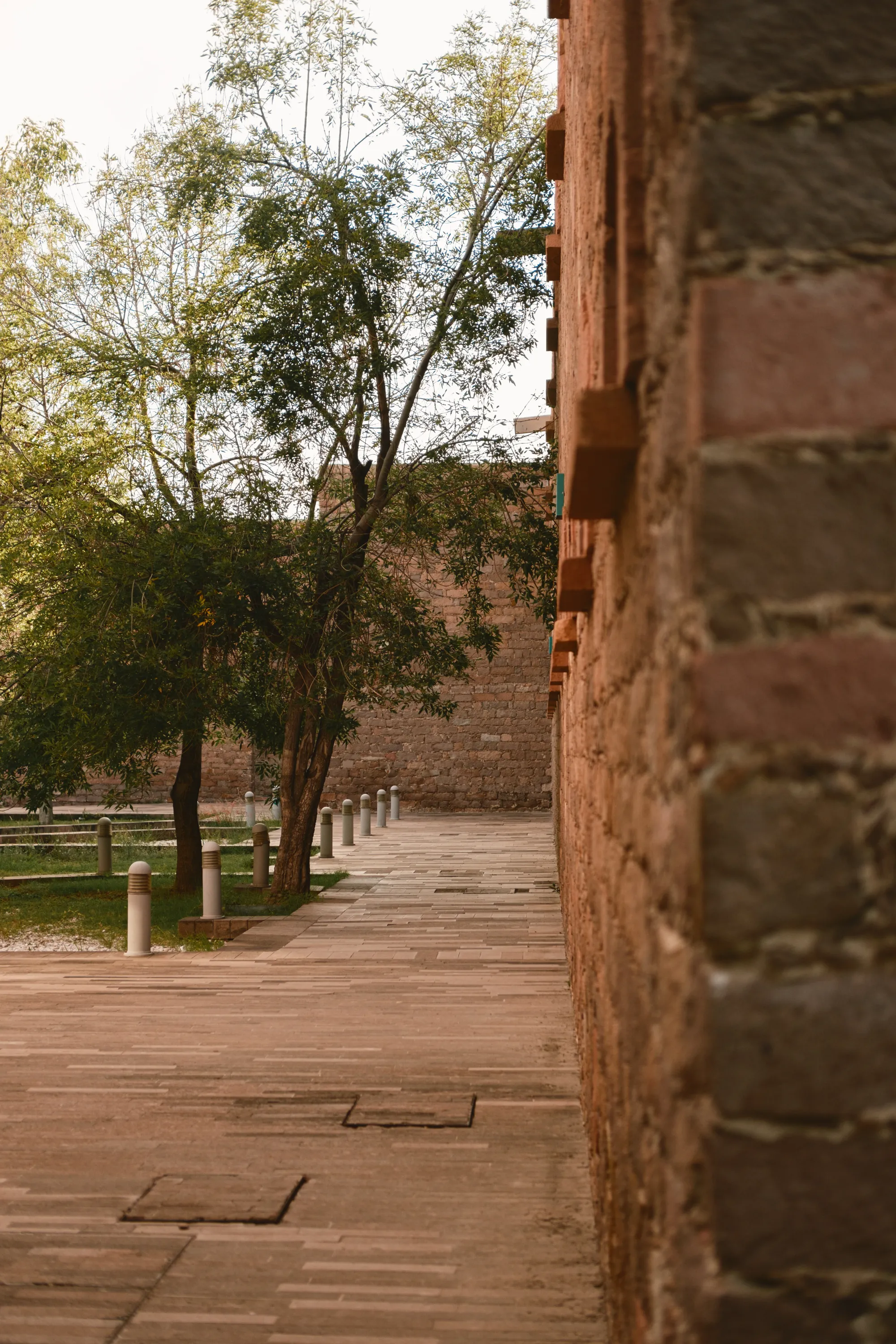
The transformation began in 2004, and the space opened its doors to the public in 2008. In 2018, the Leonora Carrington Museum was added. That's how this place reinvented itself, or at least adapted to a new life. It's impressive to see how they even transformed the courtyard into an open-air forum while preserving the stone, the towers, and the windows where inmates once received a little bit of light.
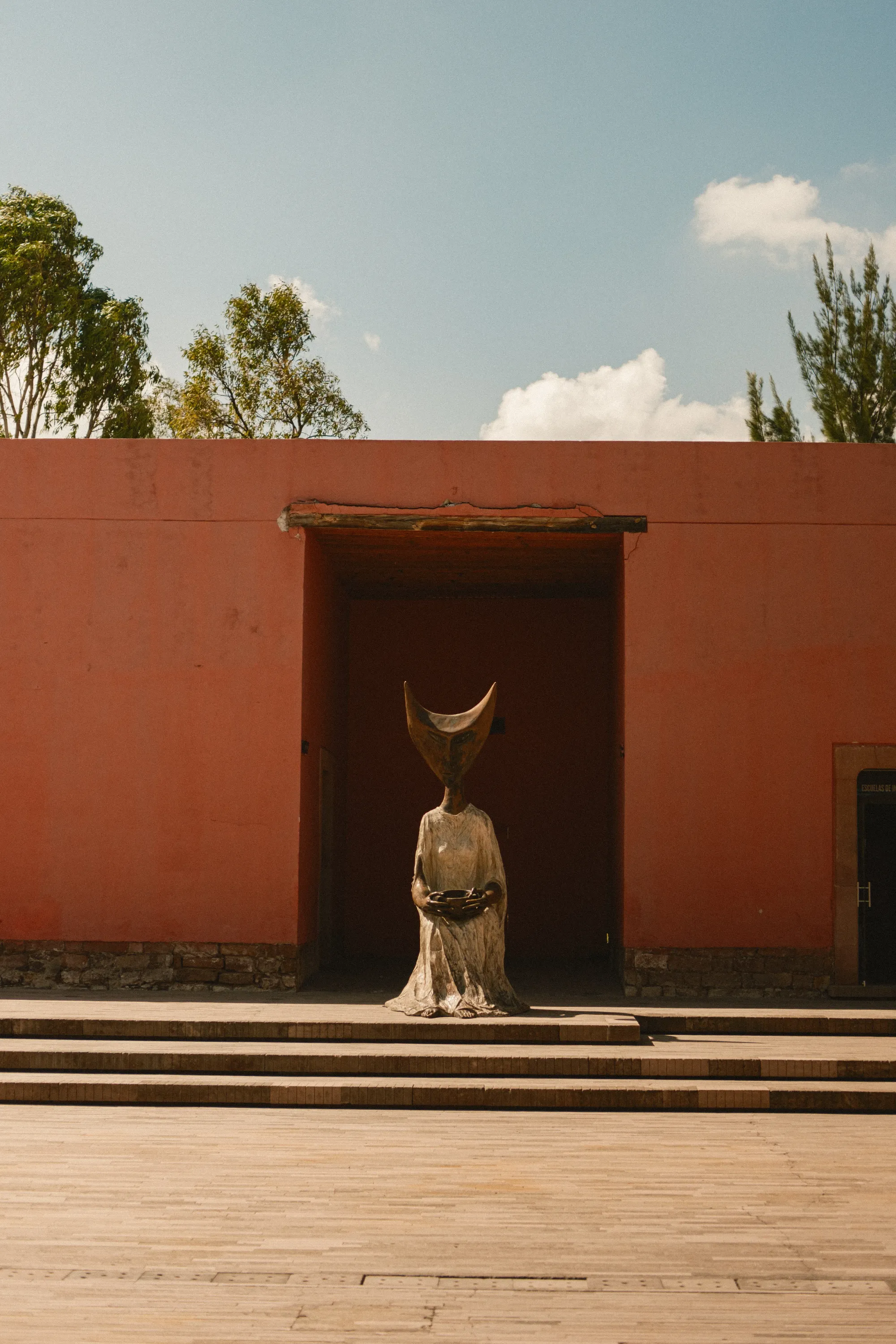
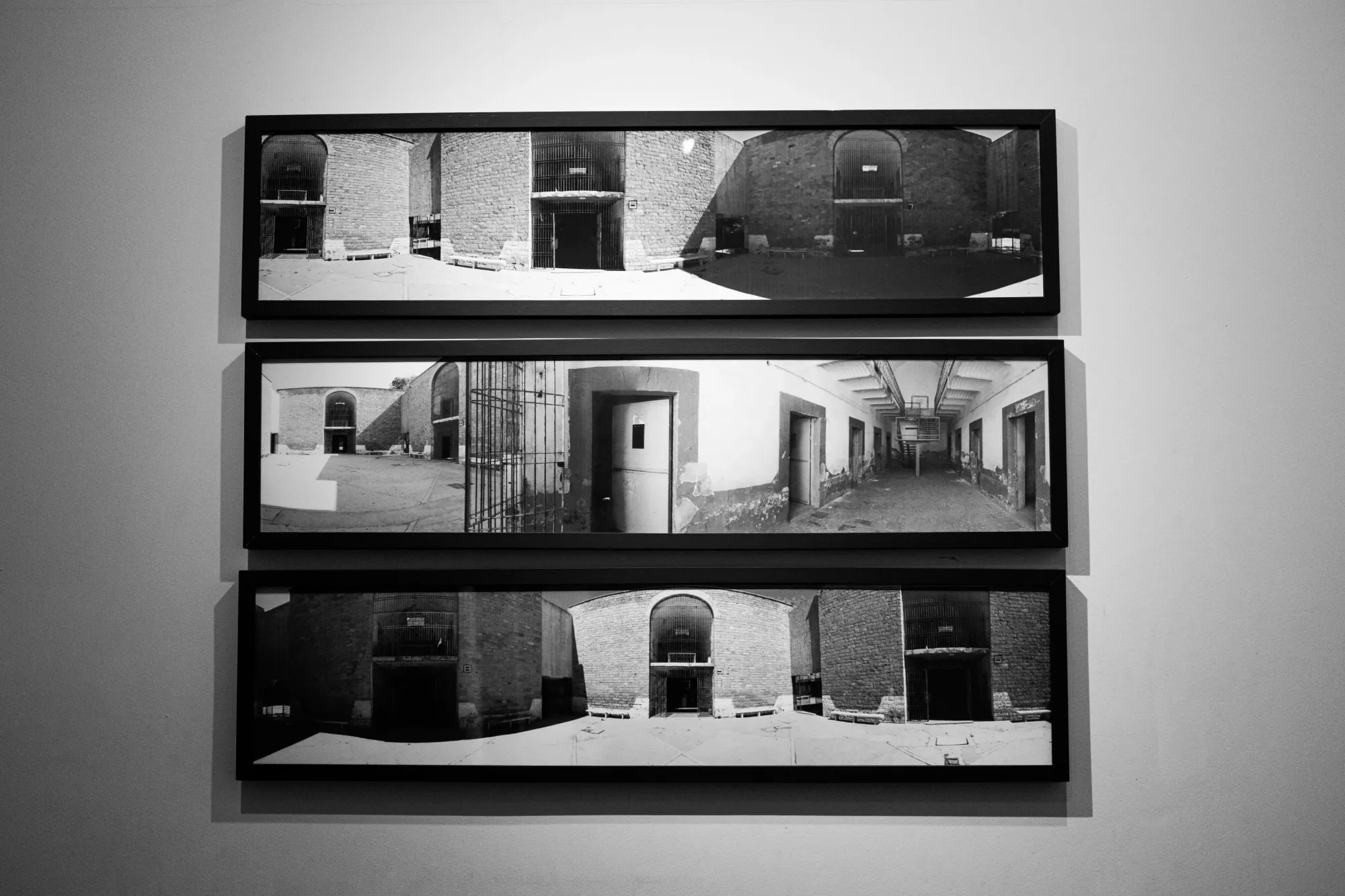
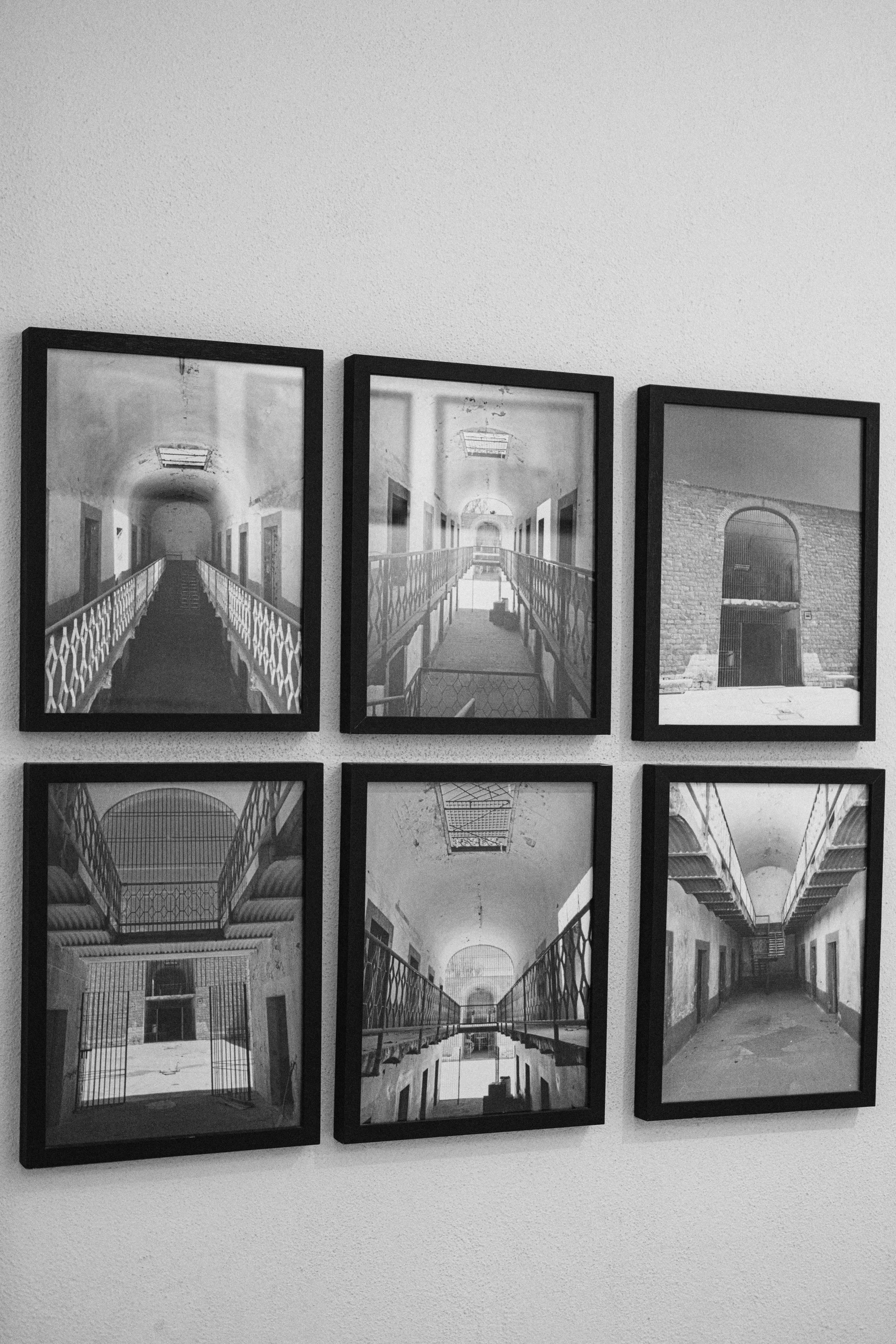
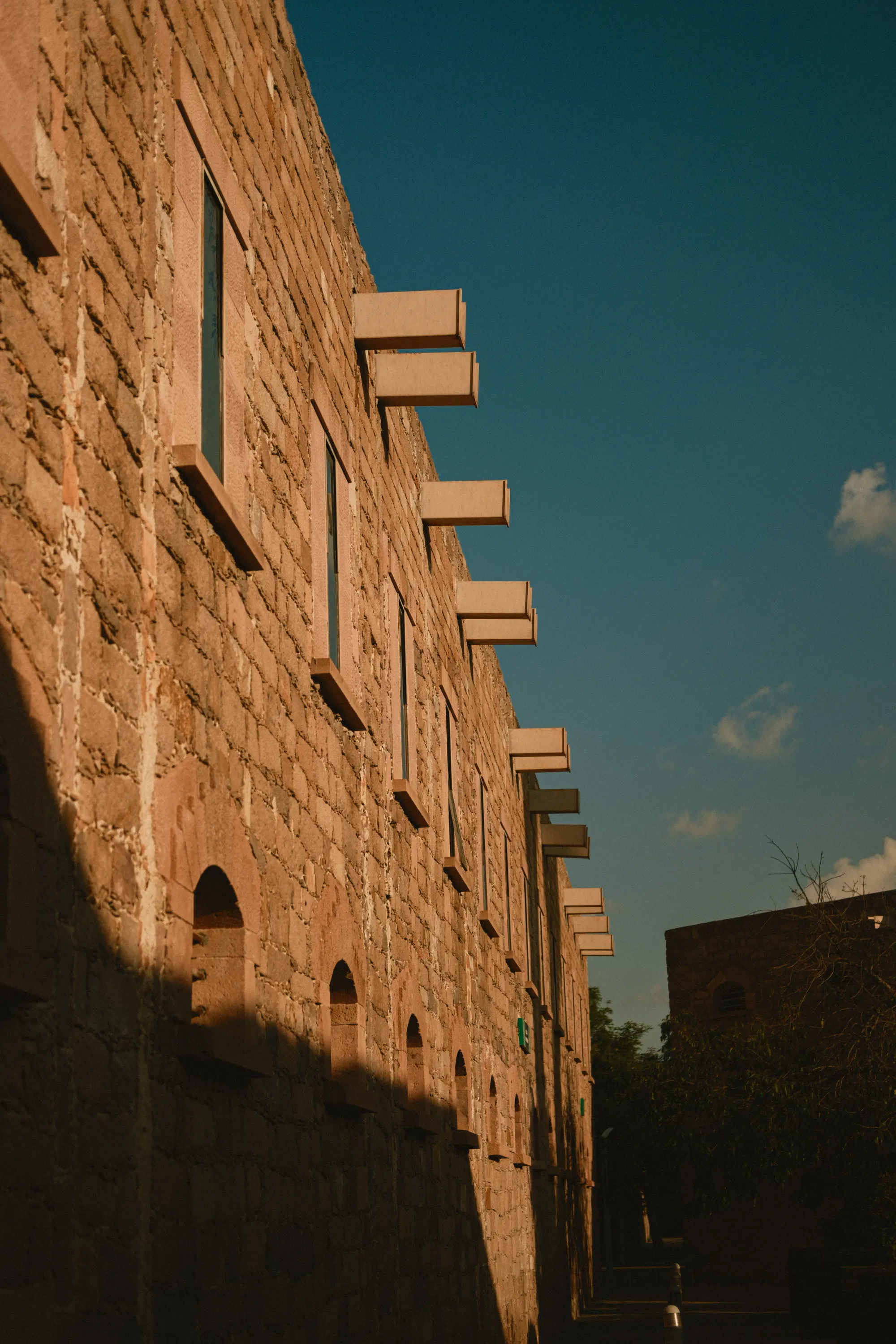
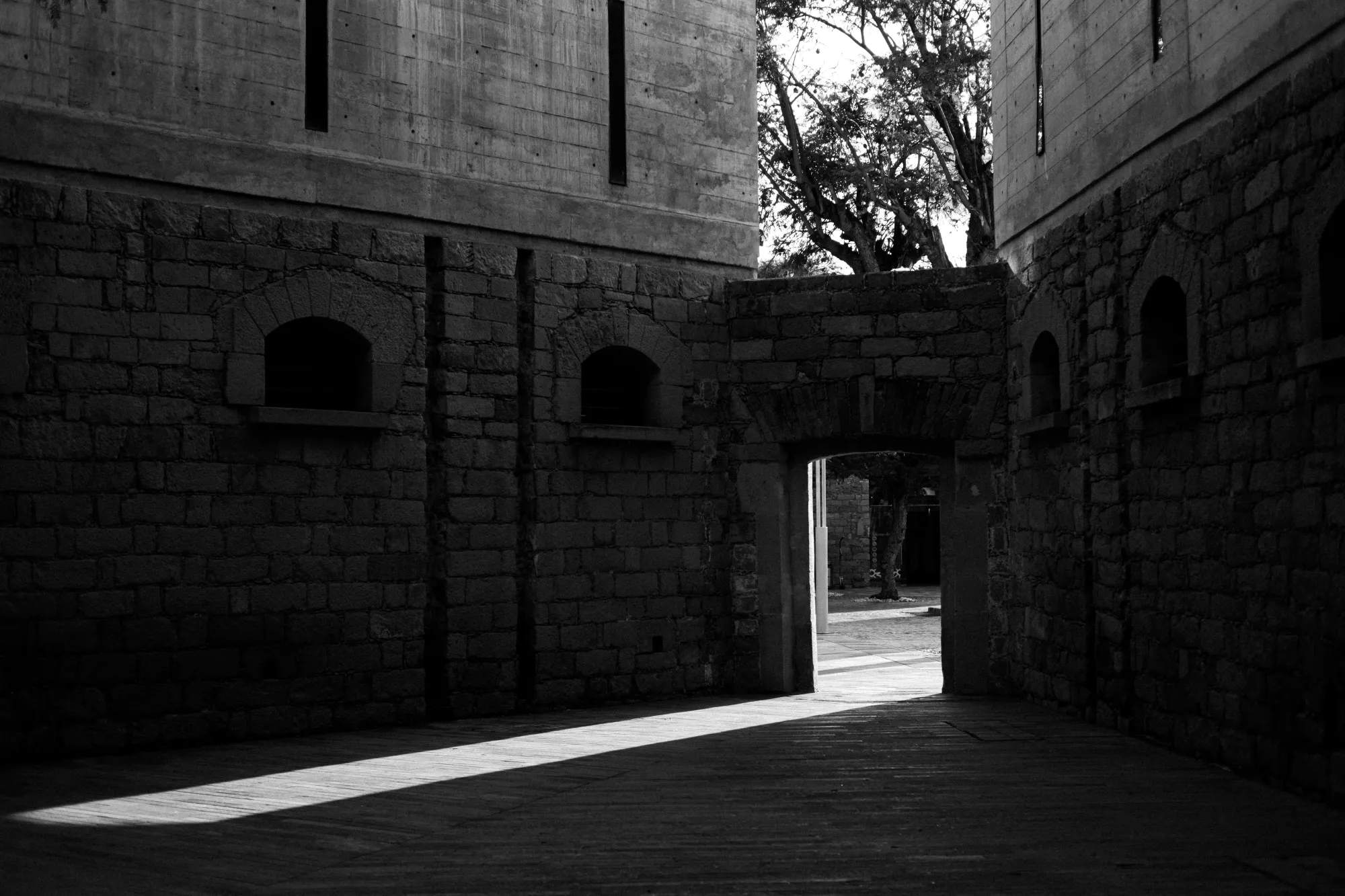
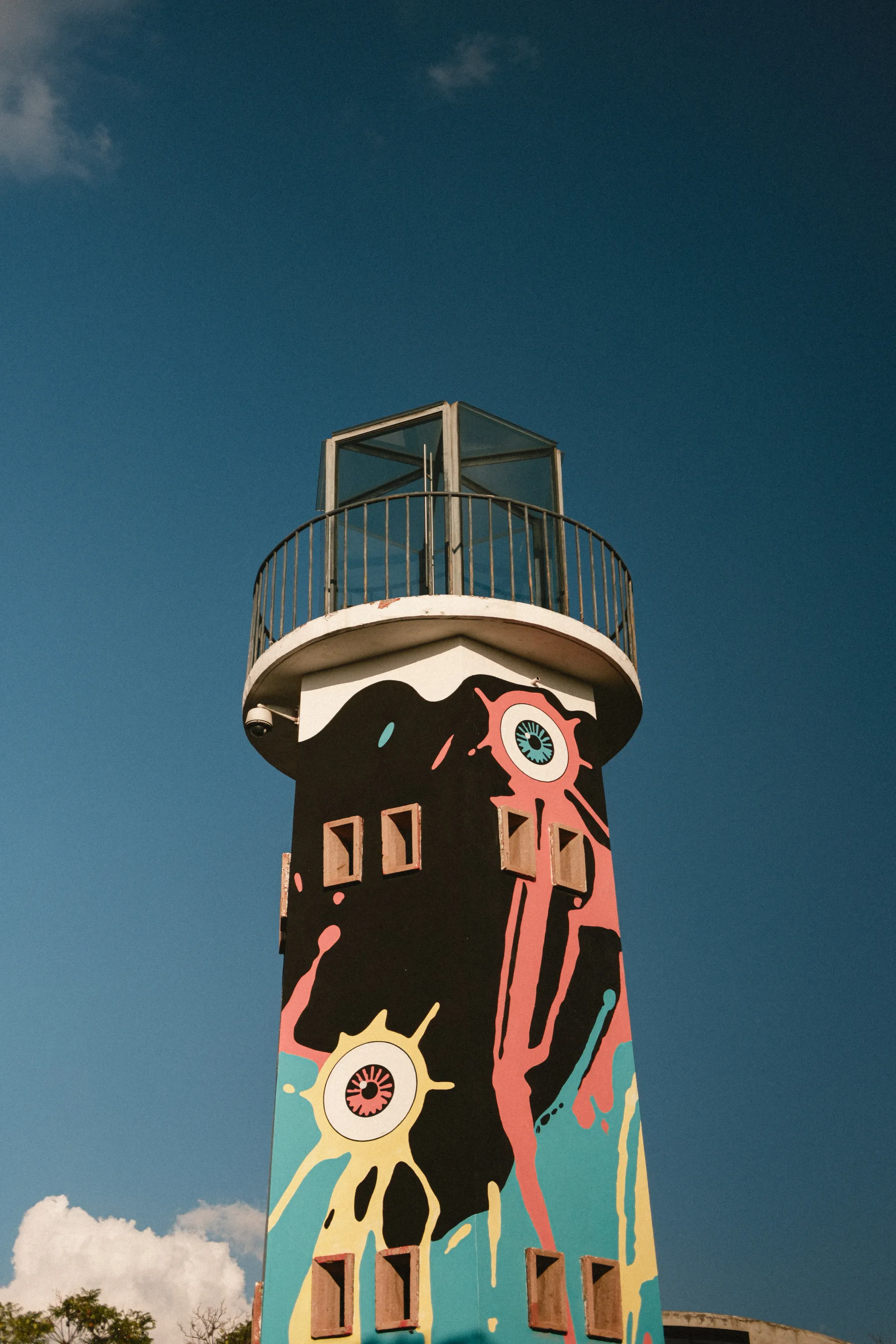
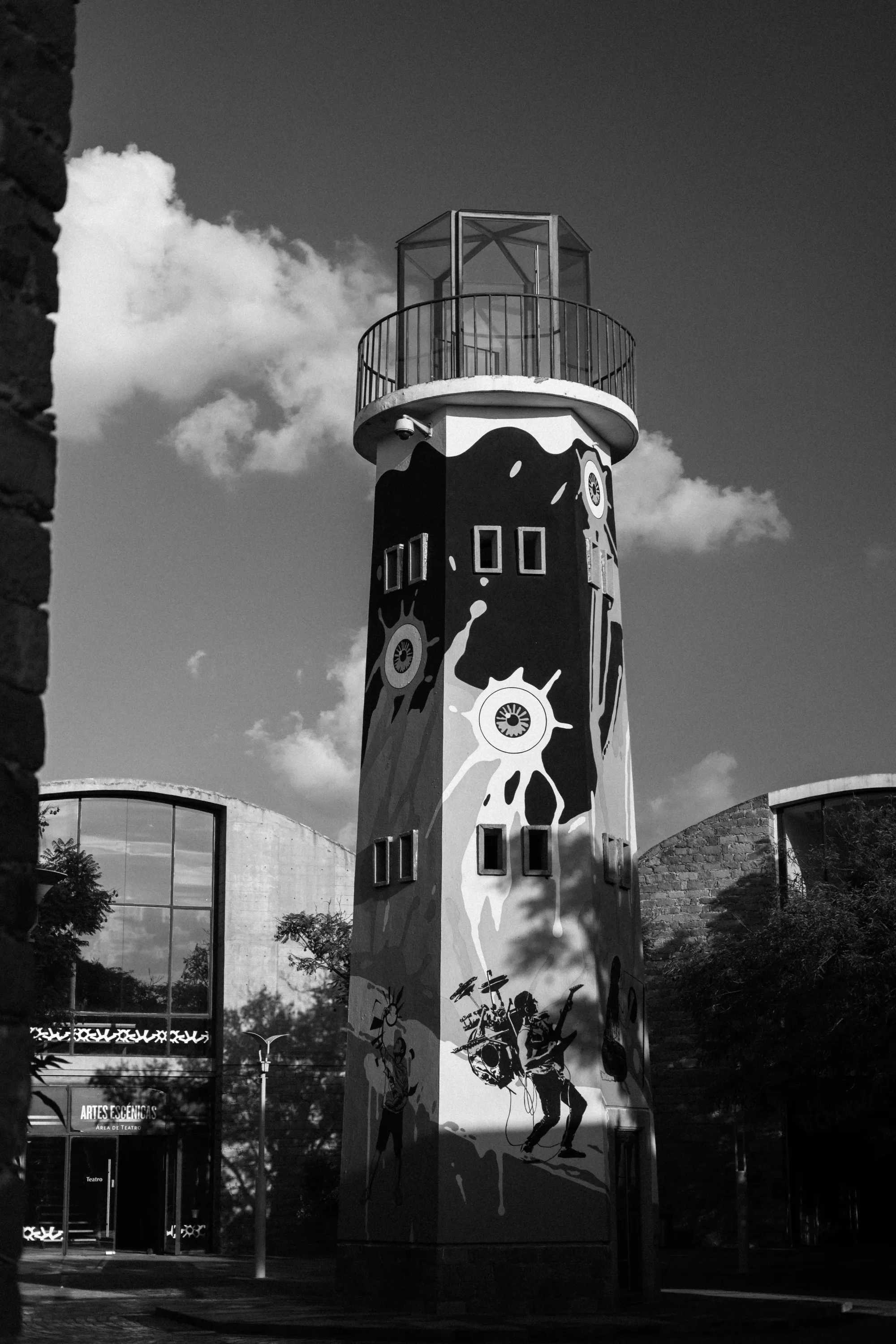
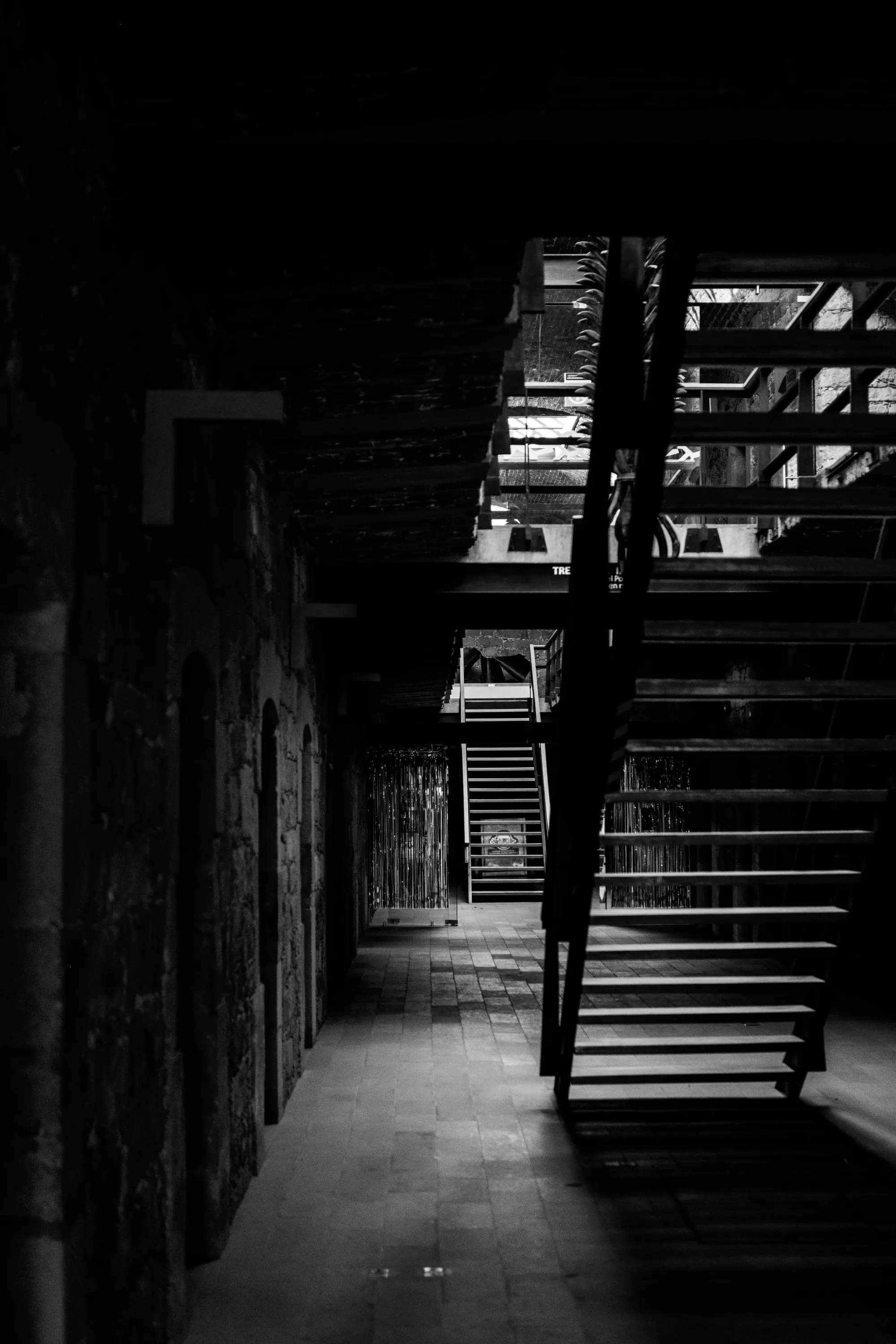
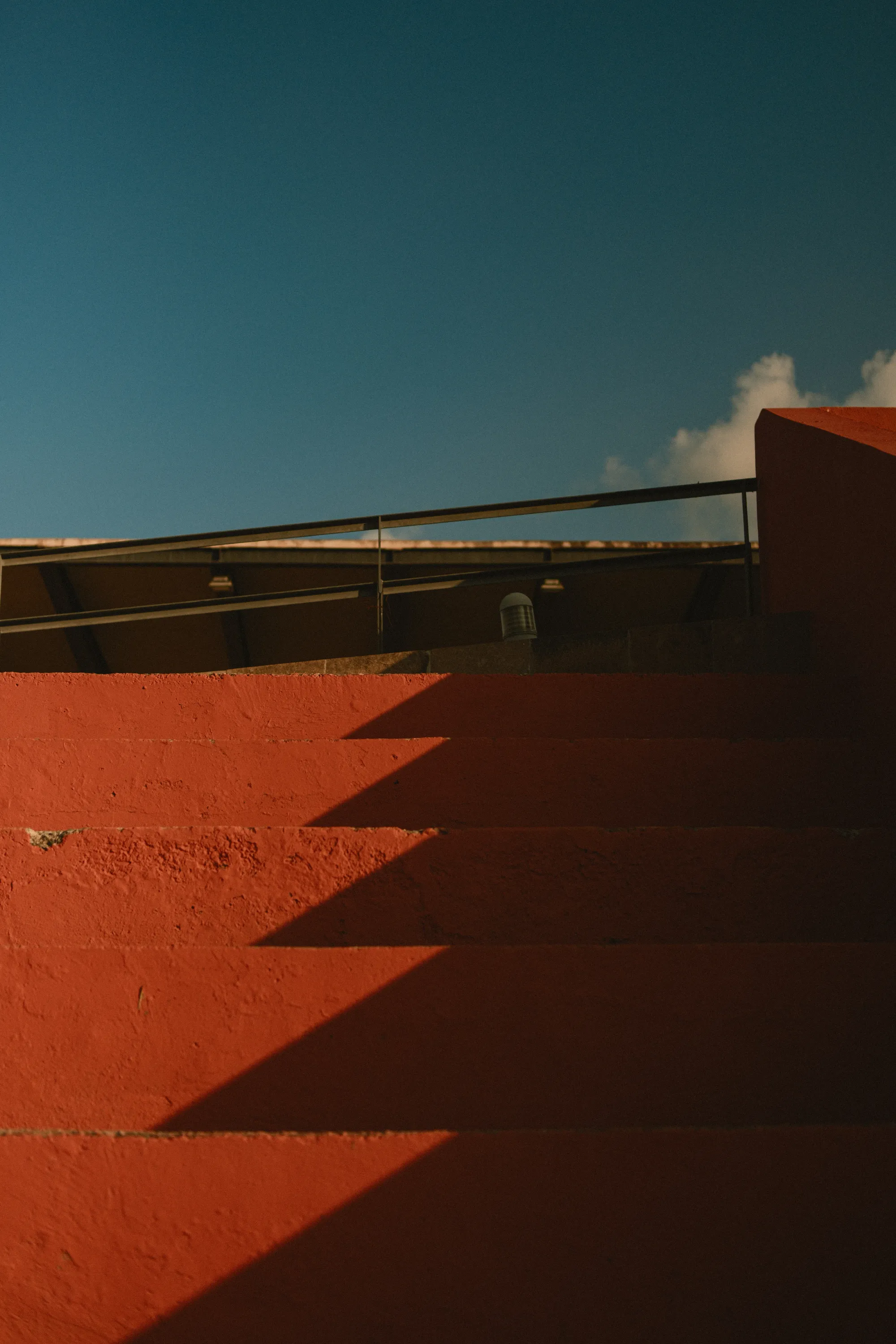
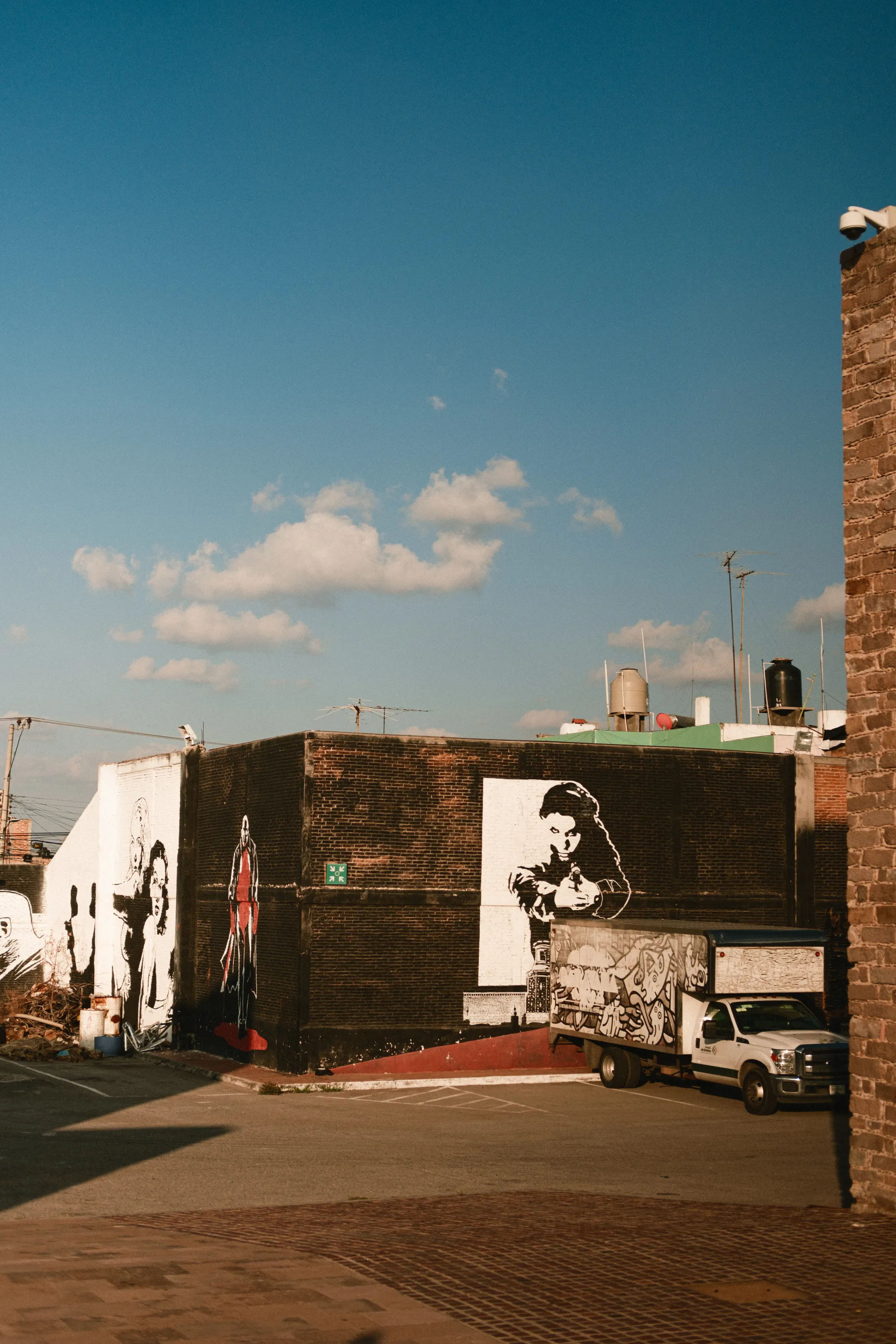
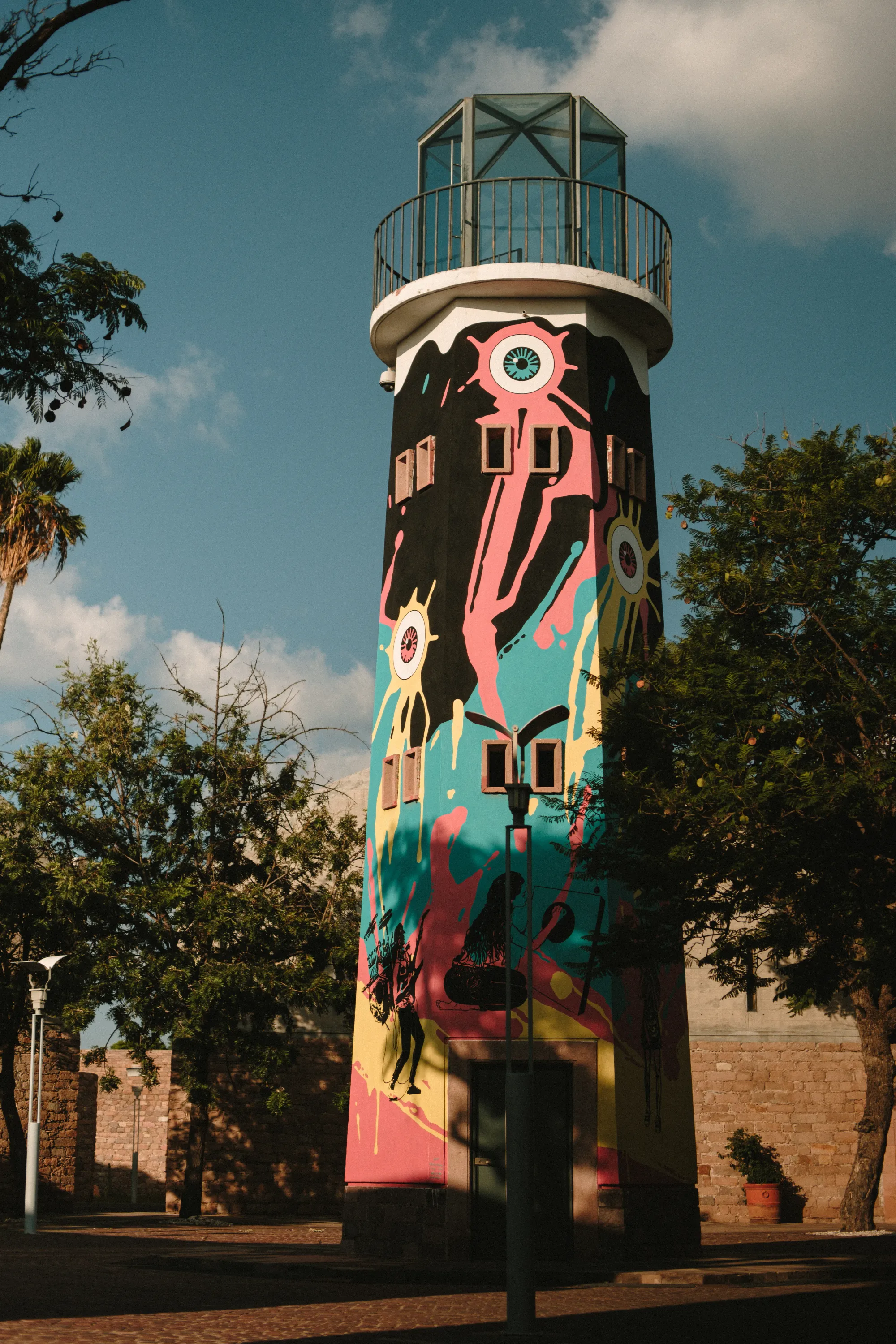
Another detail worth highlighting is the way the towers were built. Their panoptic design allowed for long views down the corridors because of their star-shaped layout, especially from the central watchtower. You can see it in the photographs through striking colors, since the space is occasionally used as a canvas for different artists to create interventions.
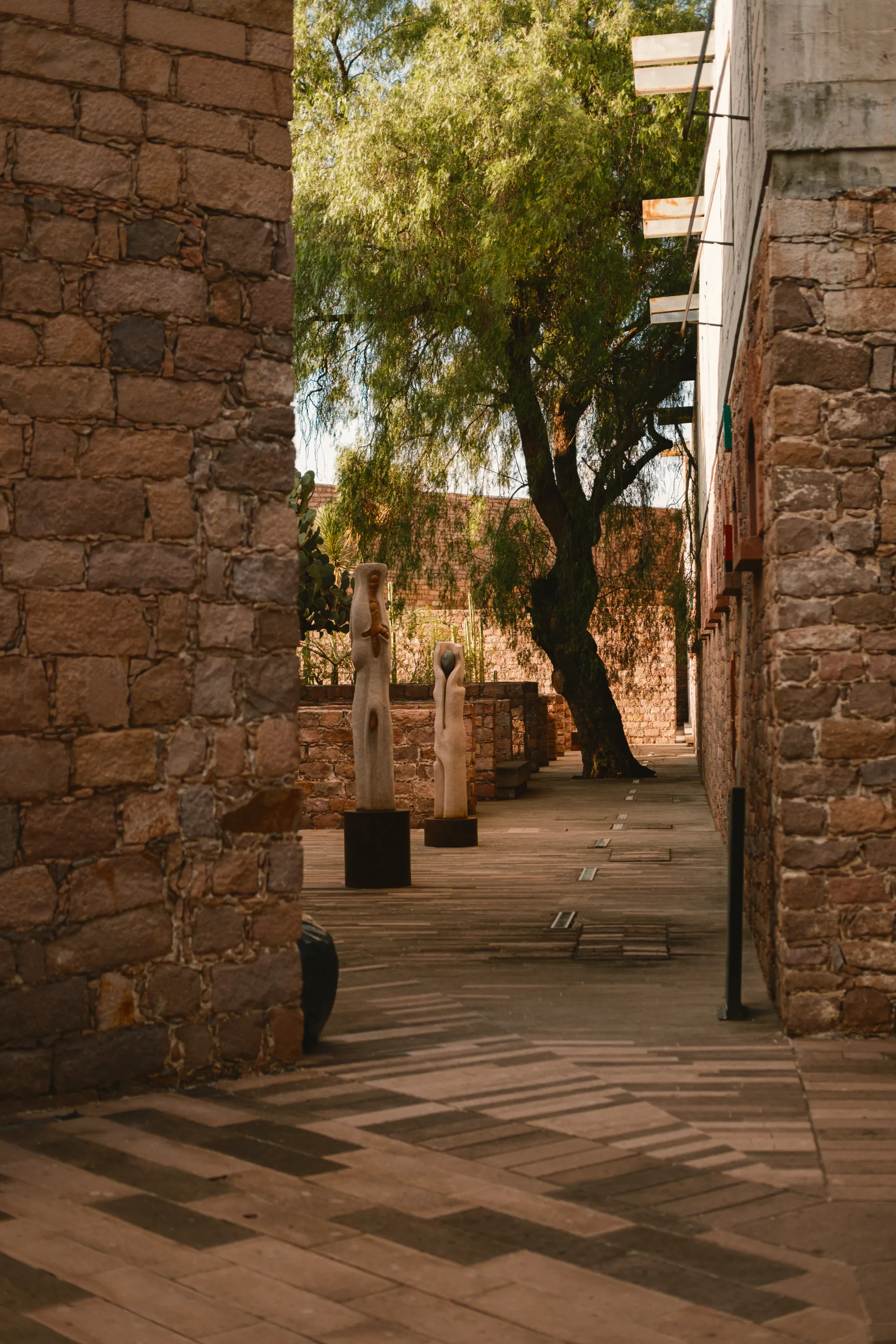
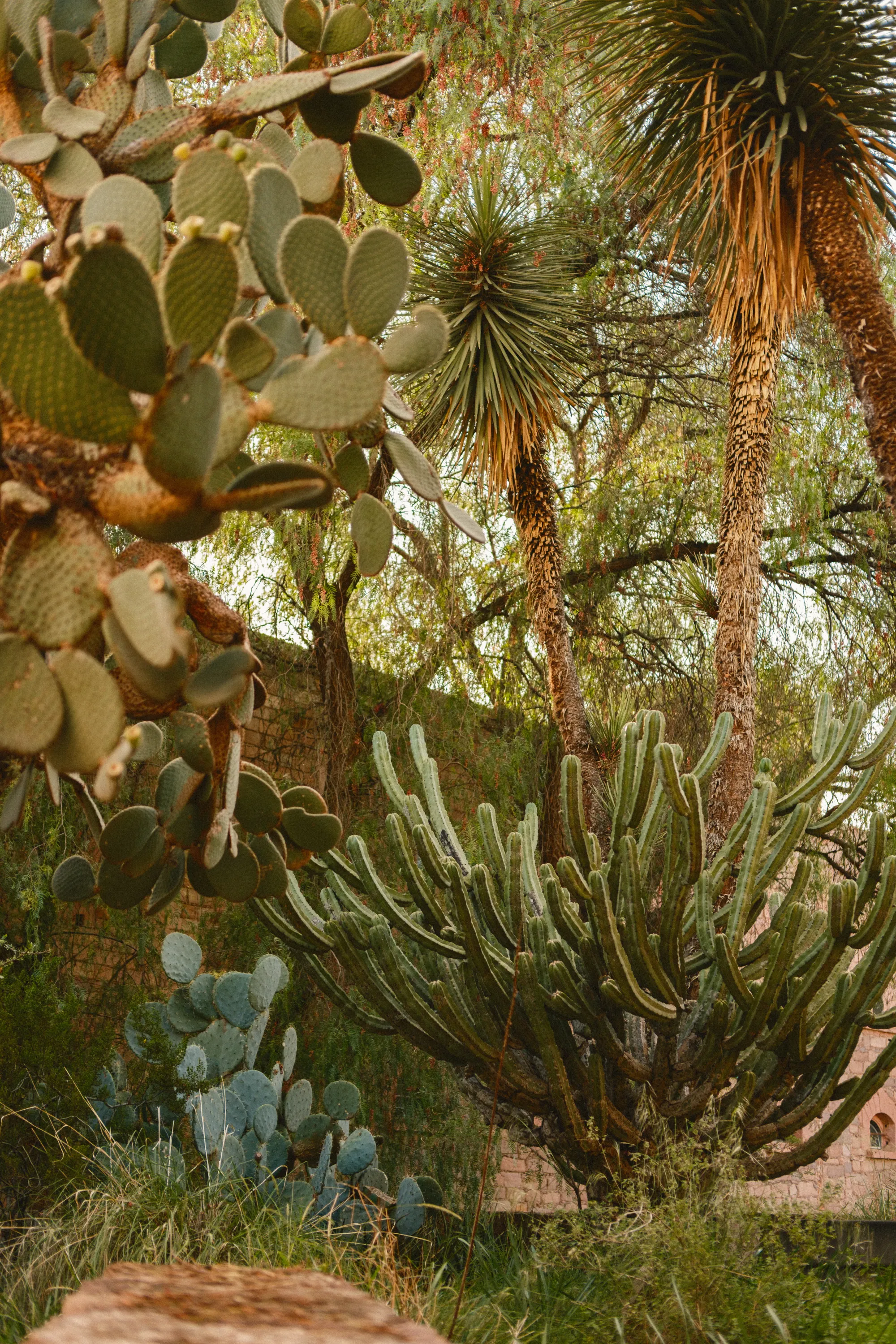
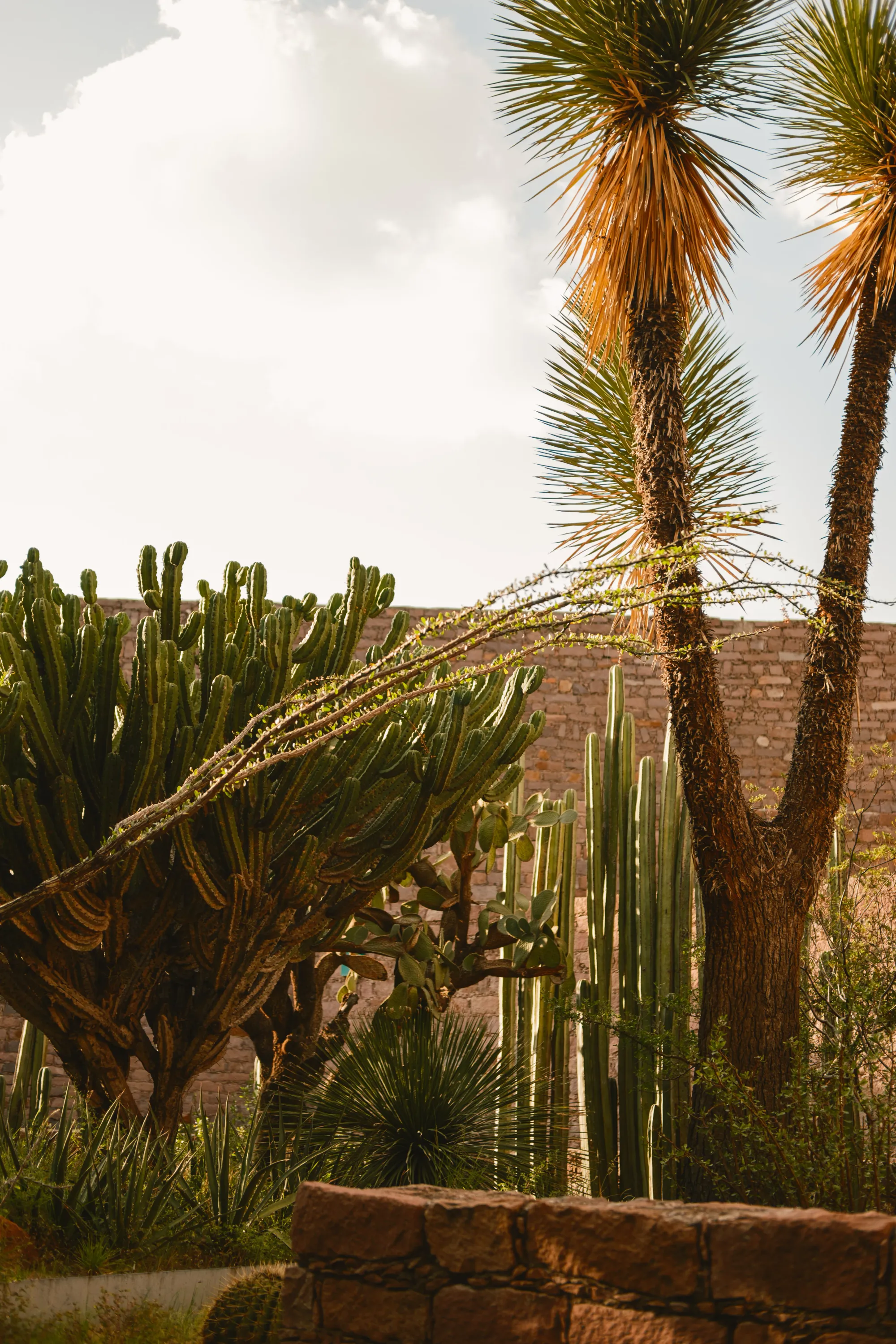
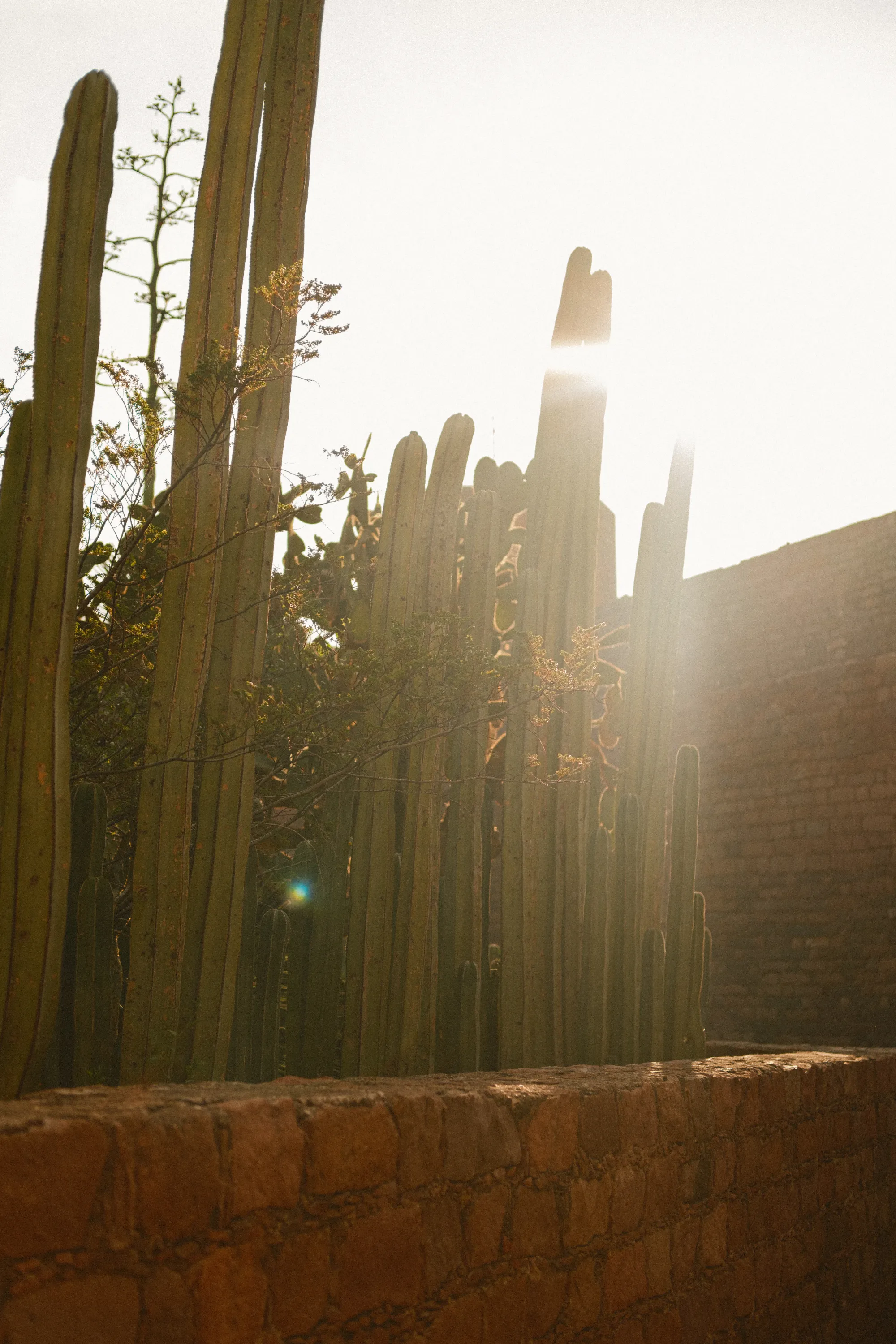
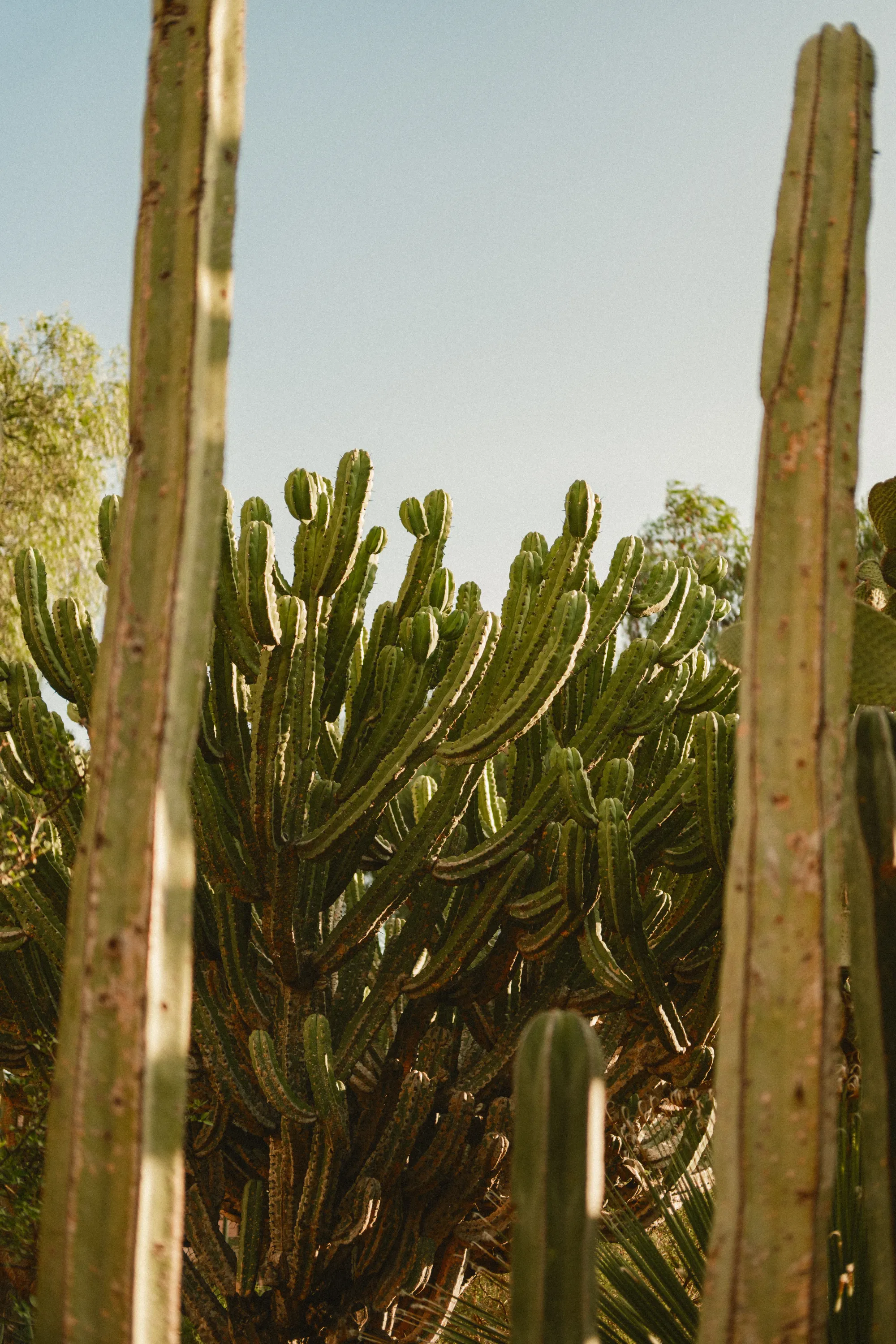
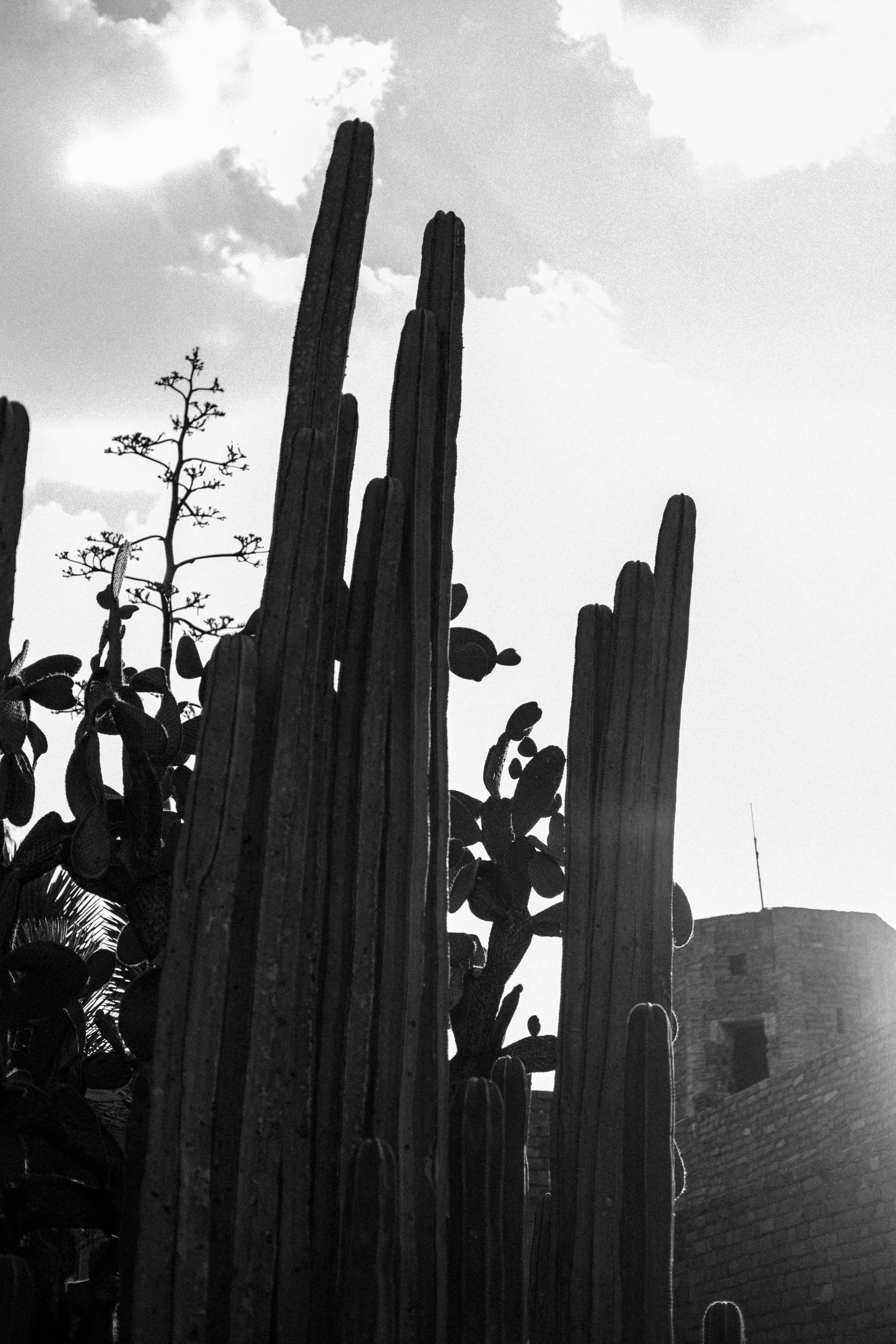
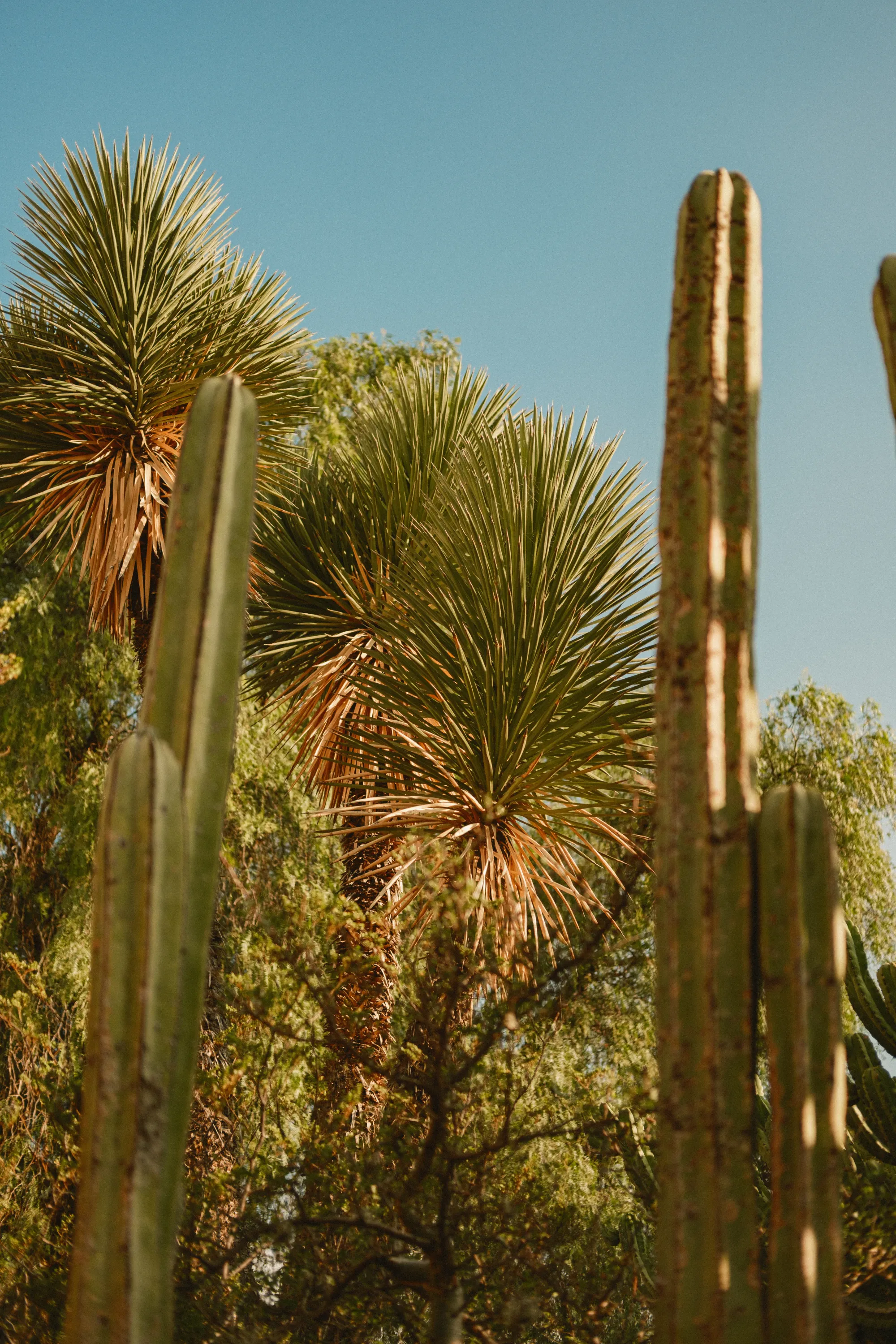
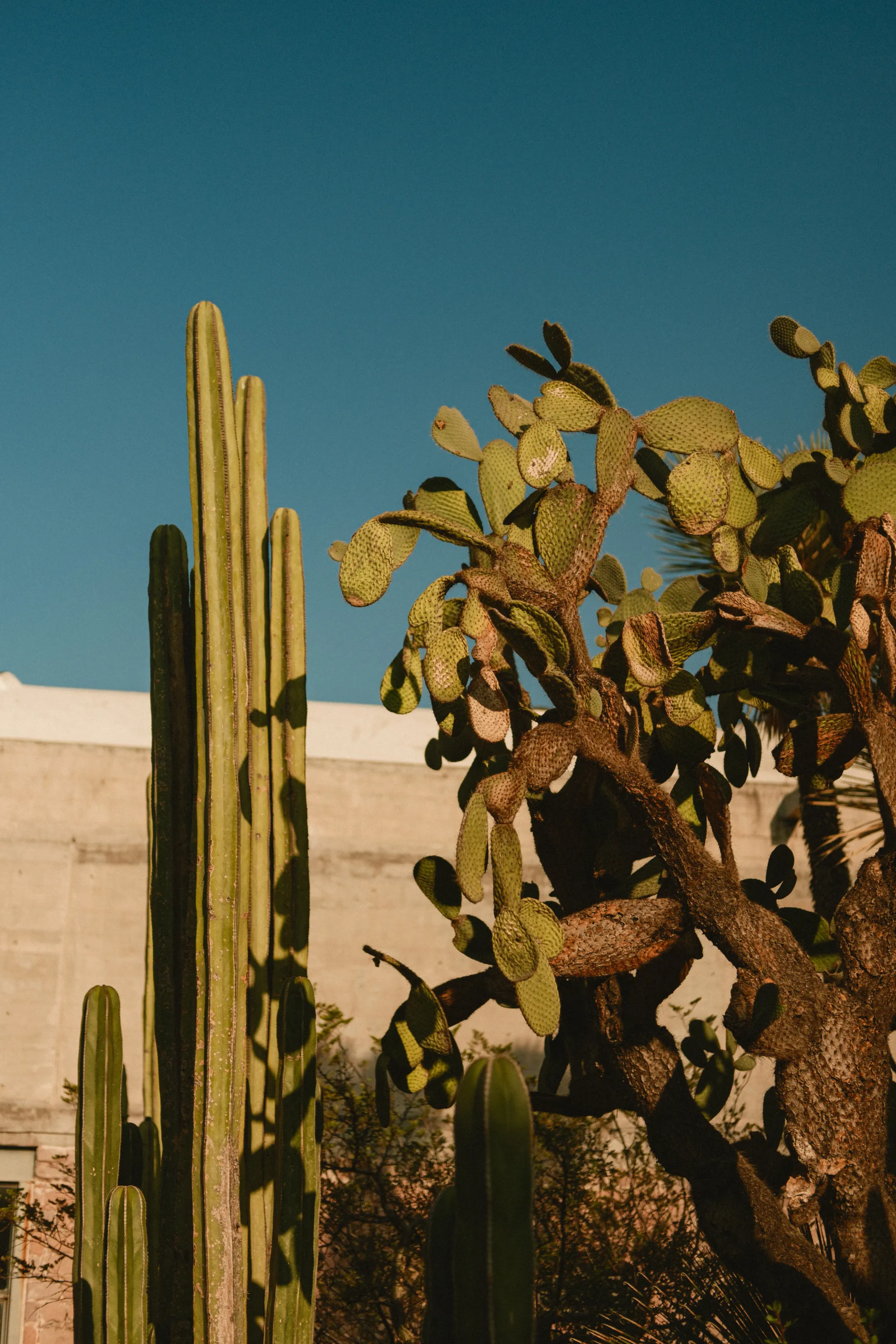
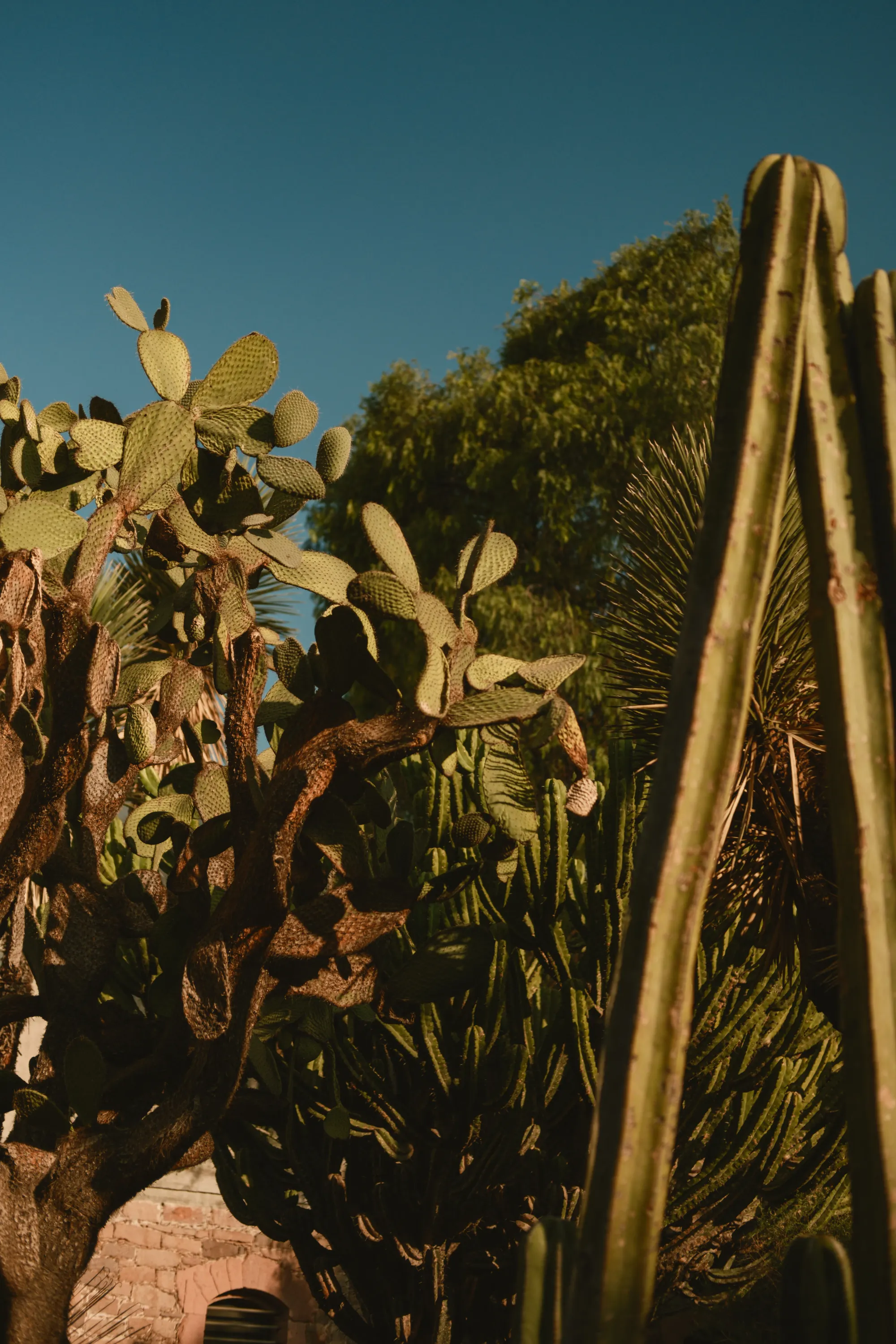
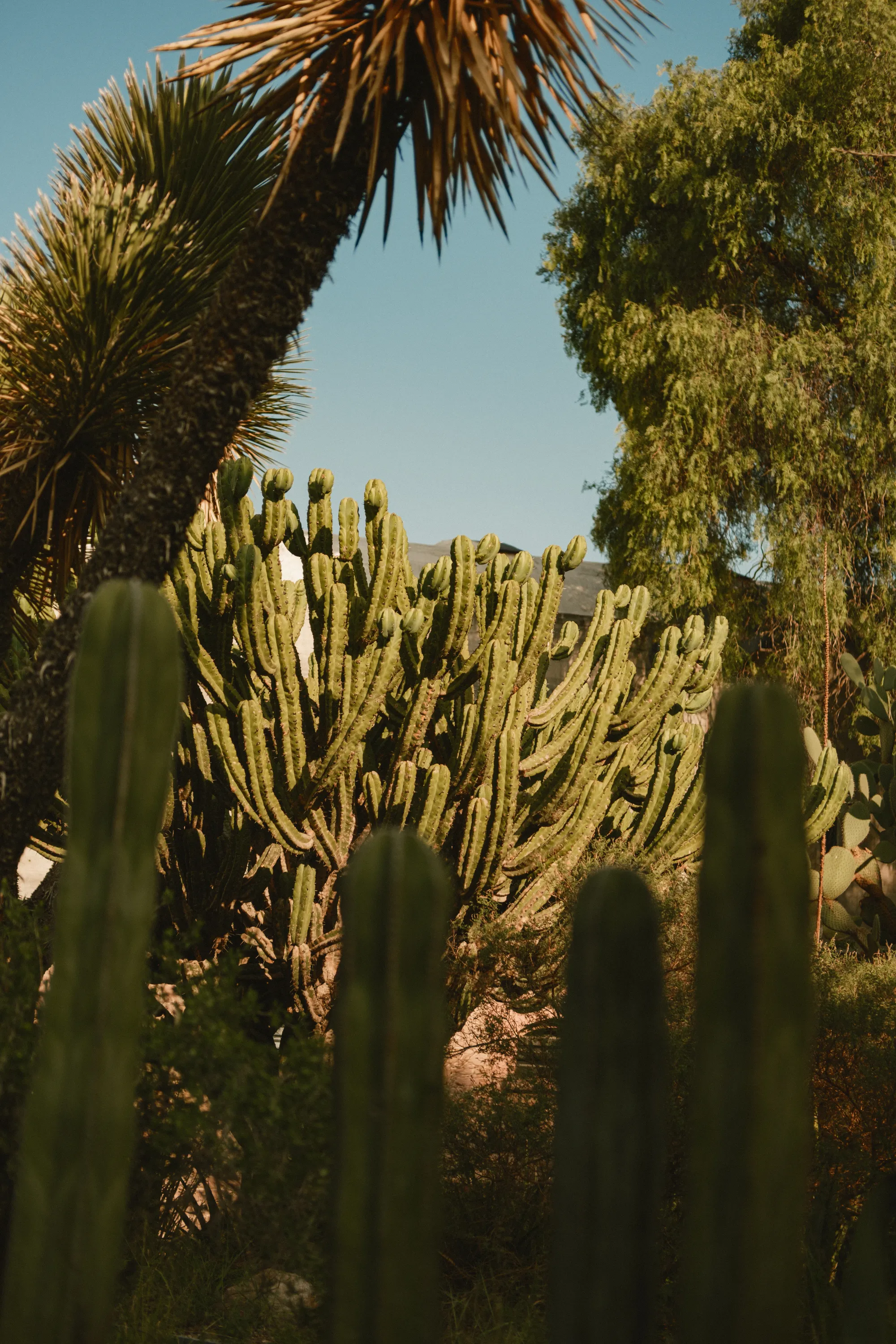
What impressed me the most (besides Leonora's work and the building itself) was the way you can feel the idea of a second chance. That's what a penitentiary is meant to do: reform people and give them another opportunity, a place to serve their sentence and eventually return to society. Seeing the same thing happen with this place, while preserving it and honoring what it once was, feels like a true second chance. It even has its own garden, filled with cacti and leafy trees, another symbol of a second chance to create life.
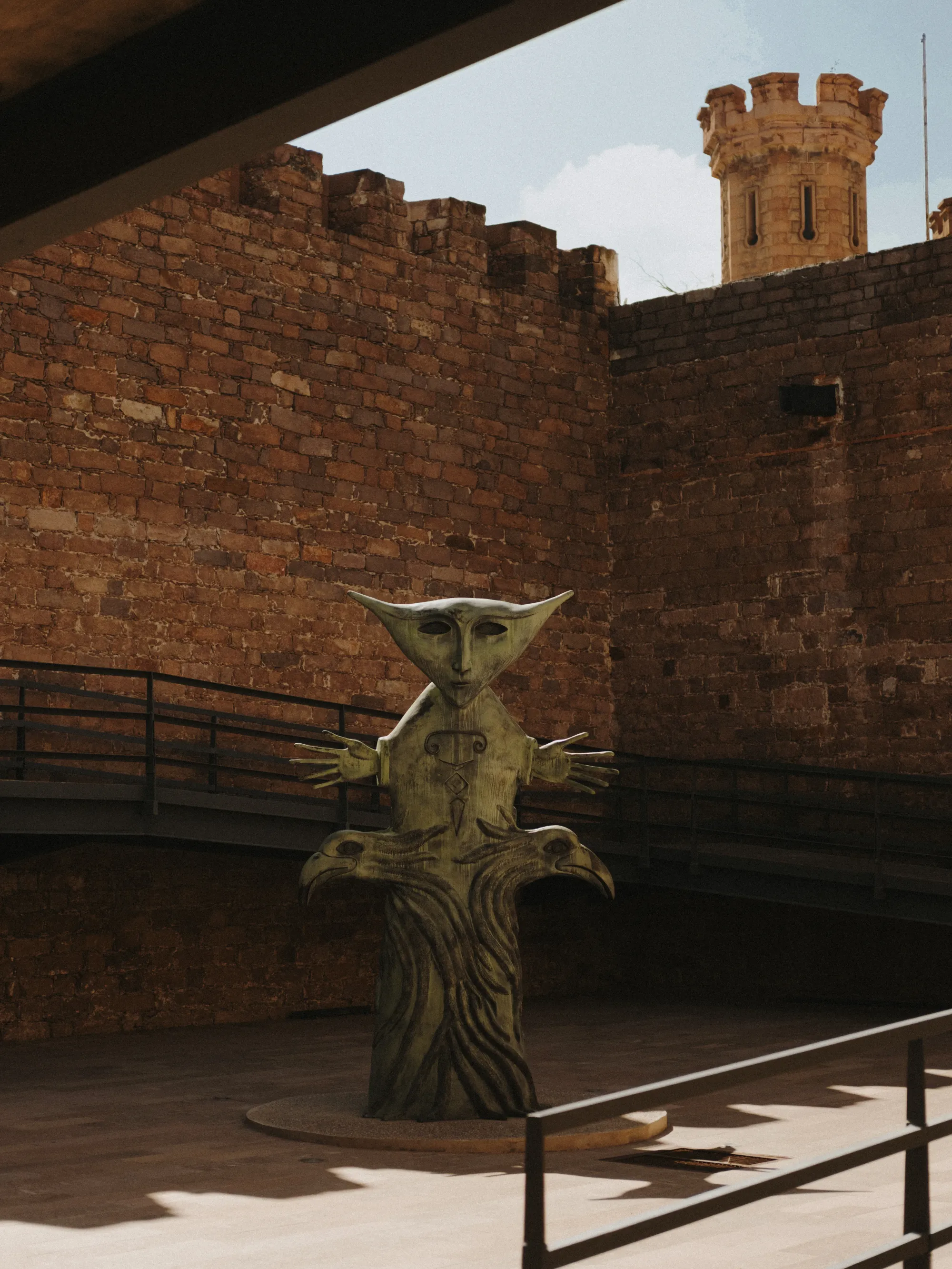
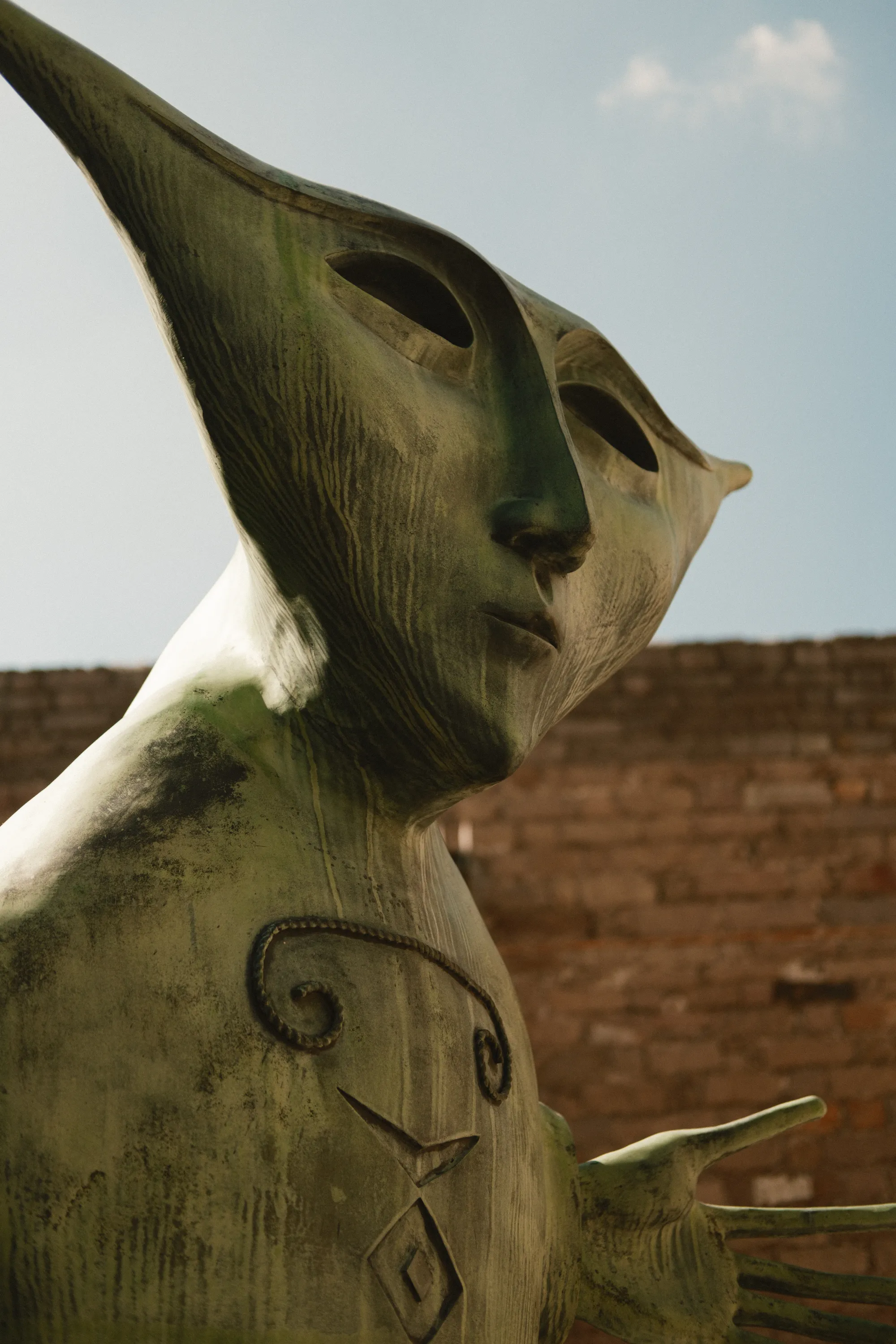
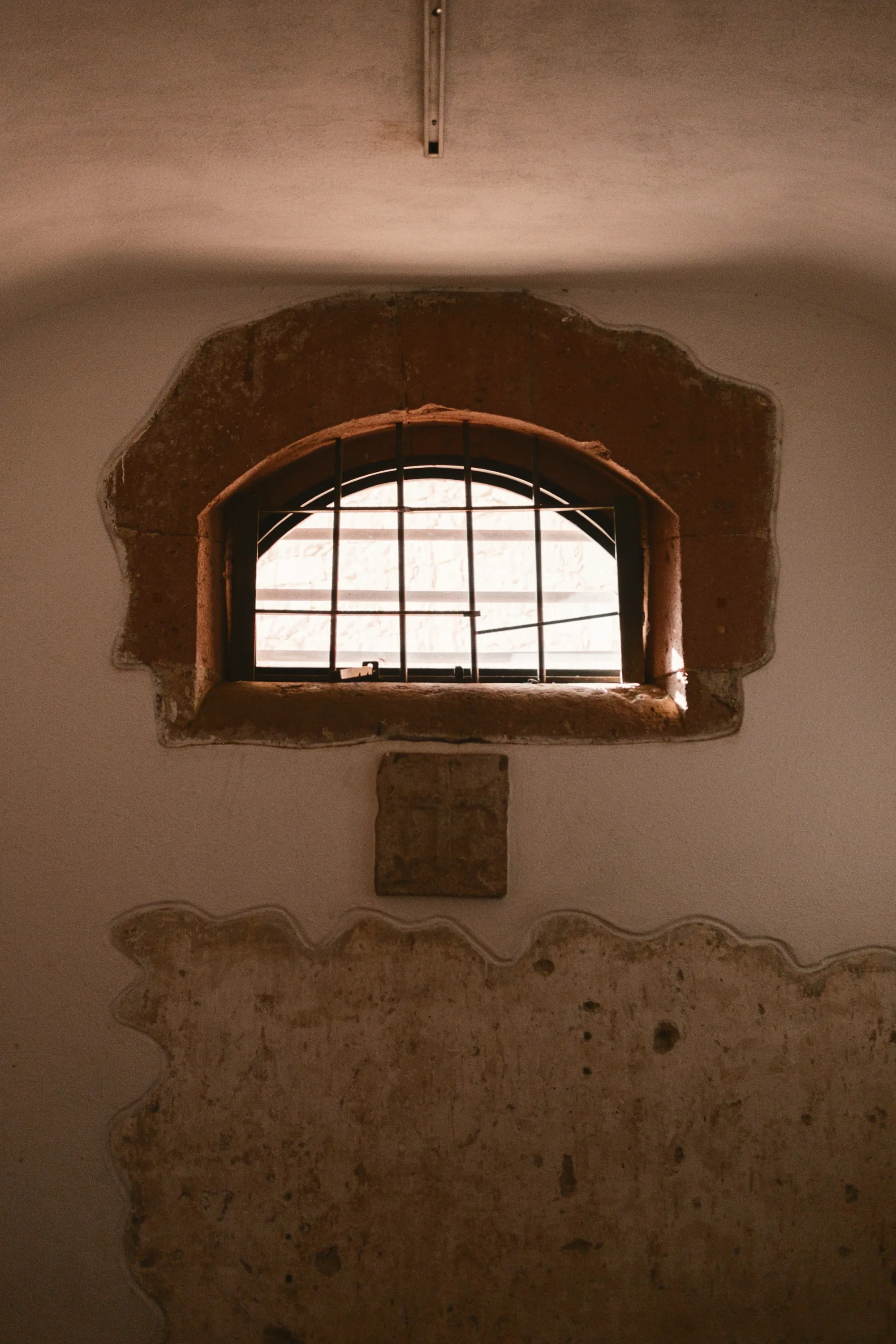
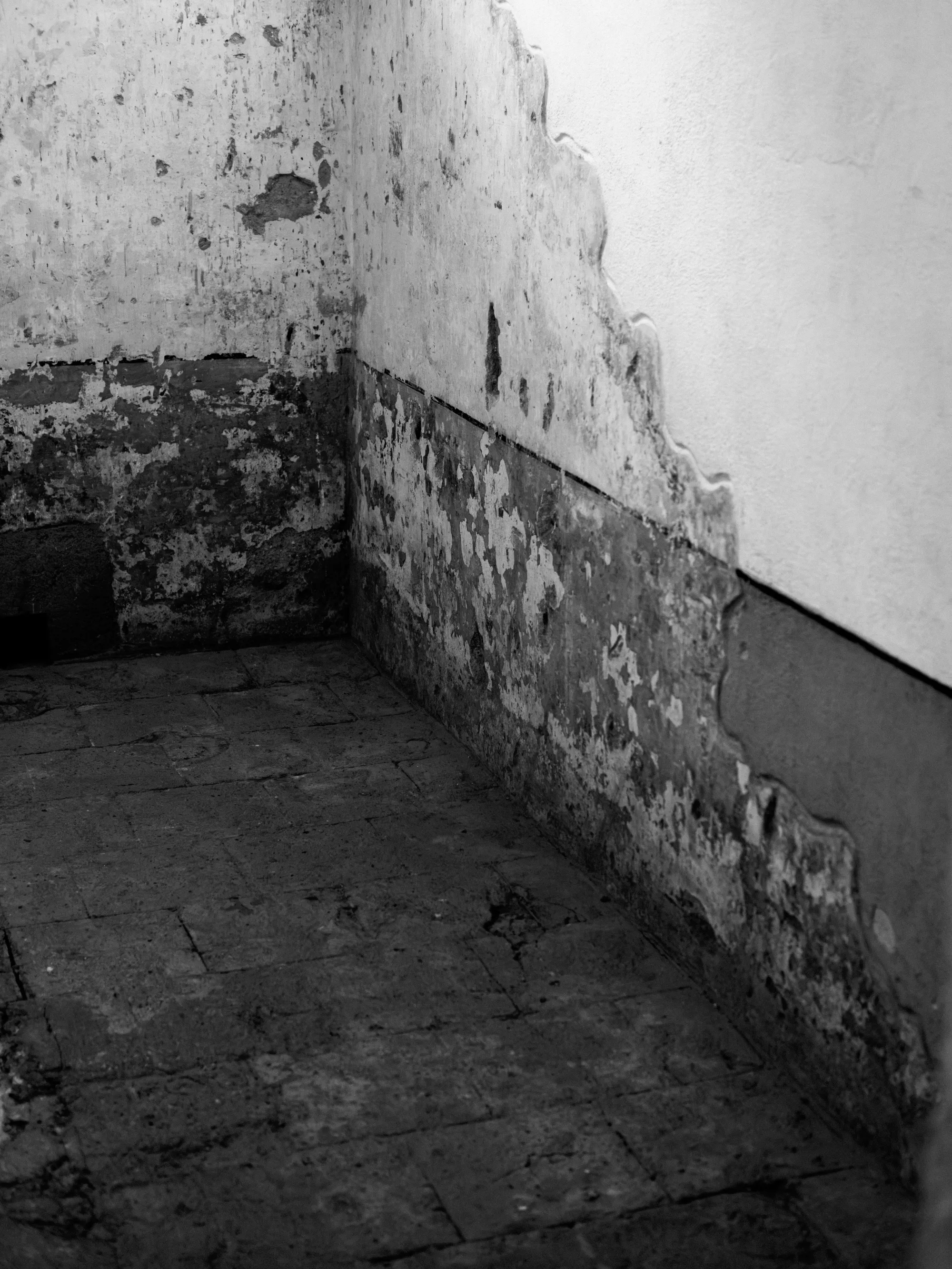
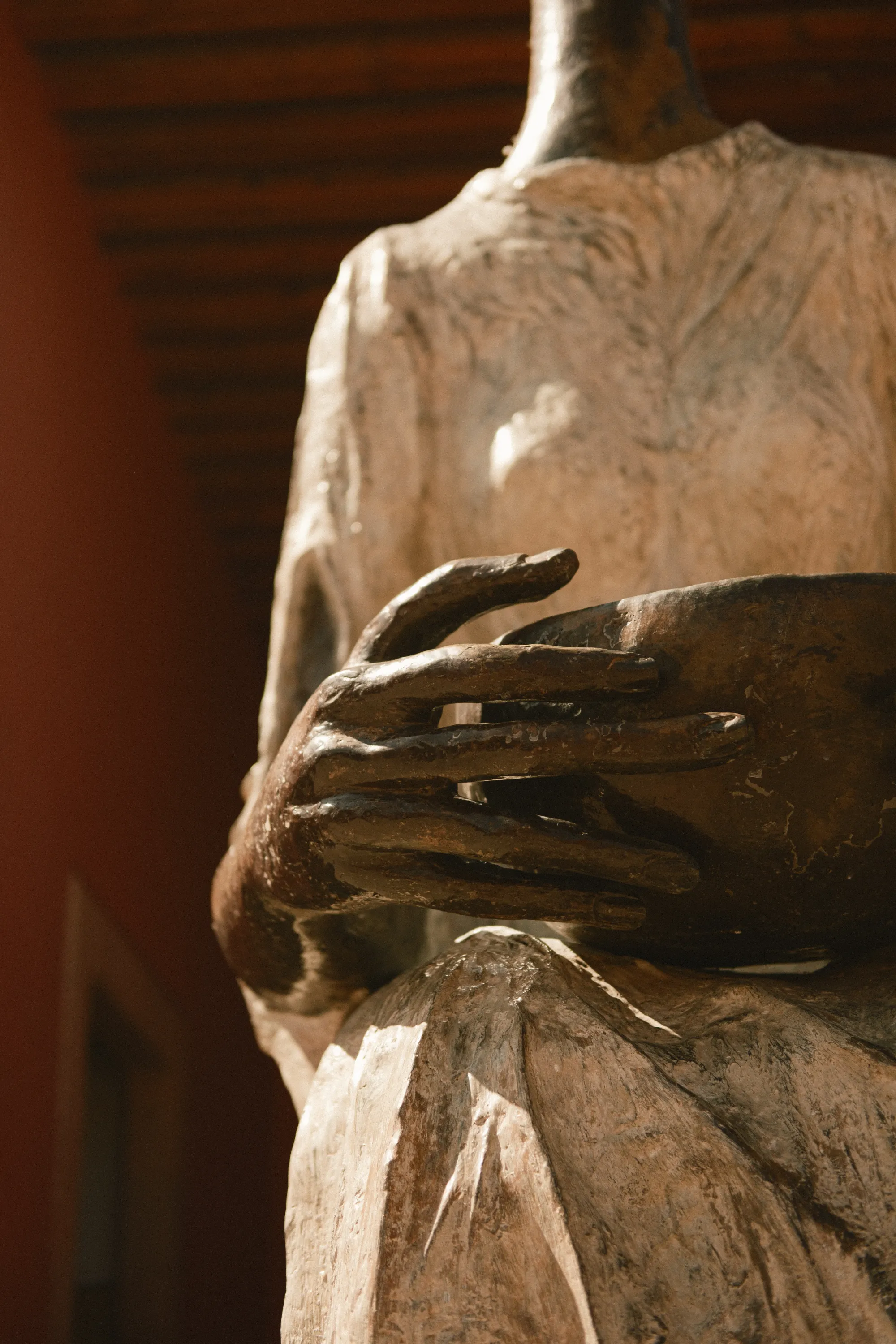
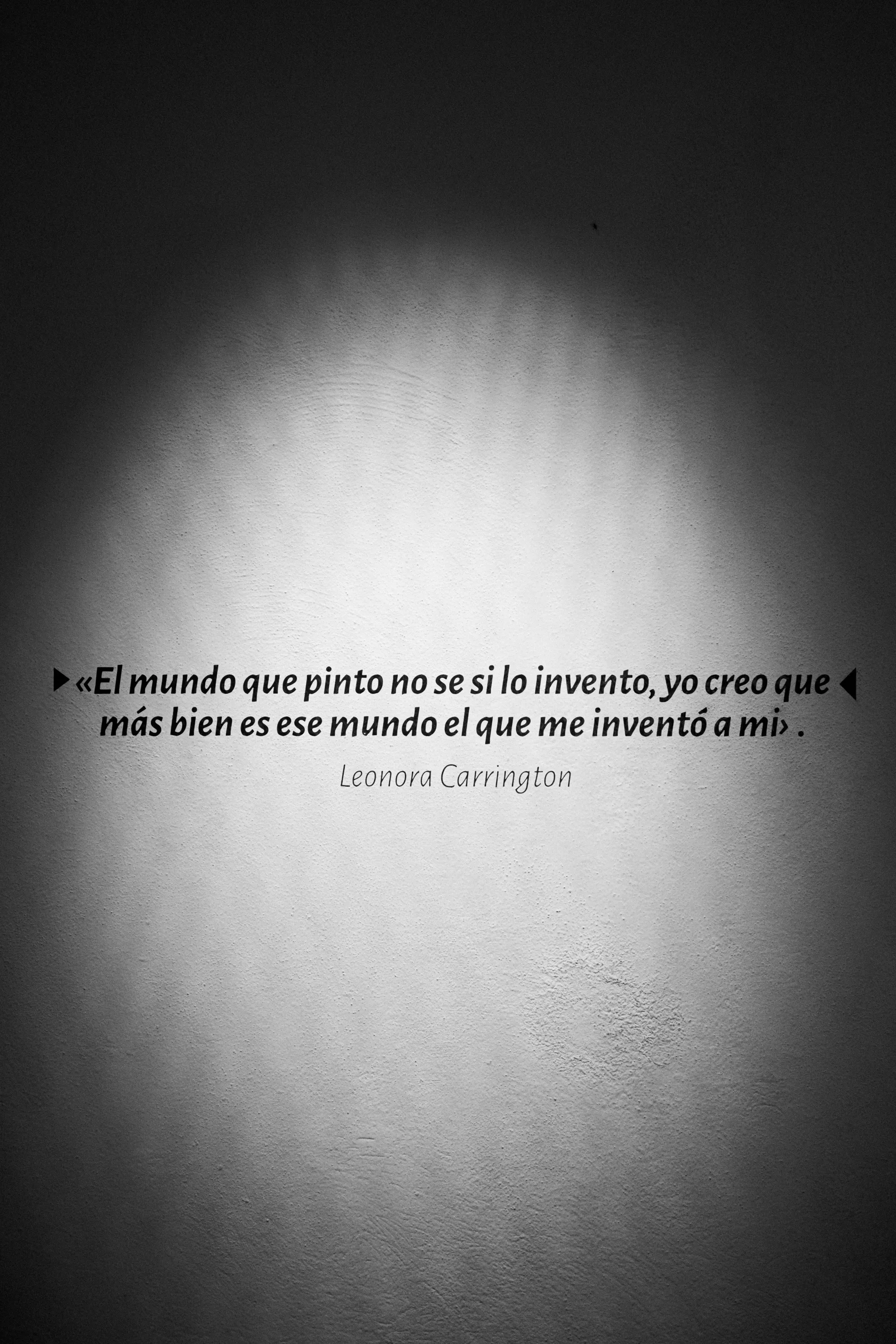
Some of the works in the temporary exhibitions explored themes related to the loss of freedom. As you walk through the center, you can see how they seek to honor what happened there and what having a place like this represents. Leonora Carrington's work, for example, speaks of freedom and creative expression, and you can find her pieces inside the old cells. Each cell tells a different story, each one holding different pieces and histories, much like the role this place once played in reforming its inmates. The contrasts are inspiring and hard to miss.
Here I'm leaving you with the gallery and I hope that if you ever visit San Luis, you get the chance to experience it with your own eyes.