Edit with me! (English)
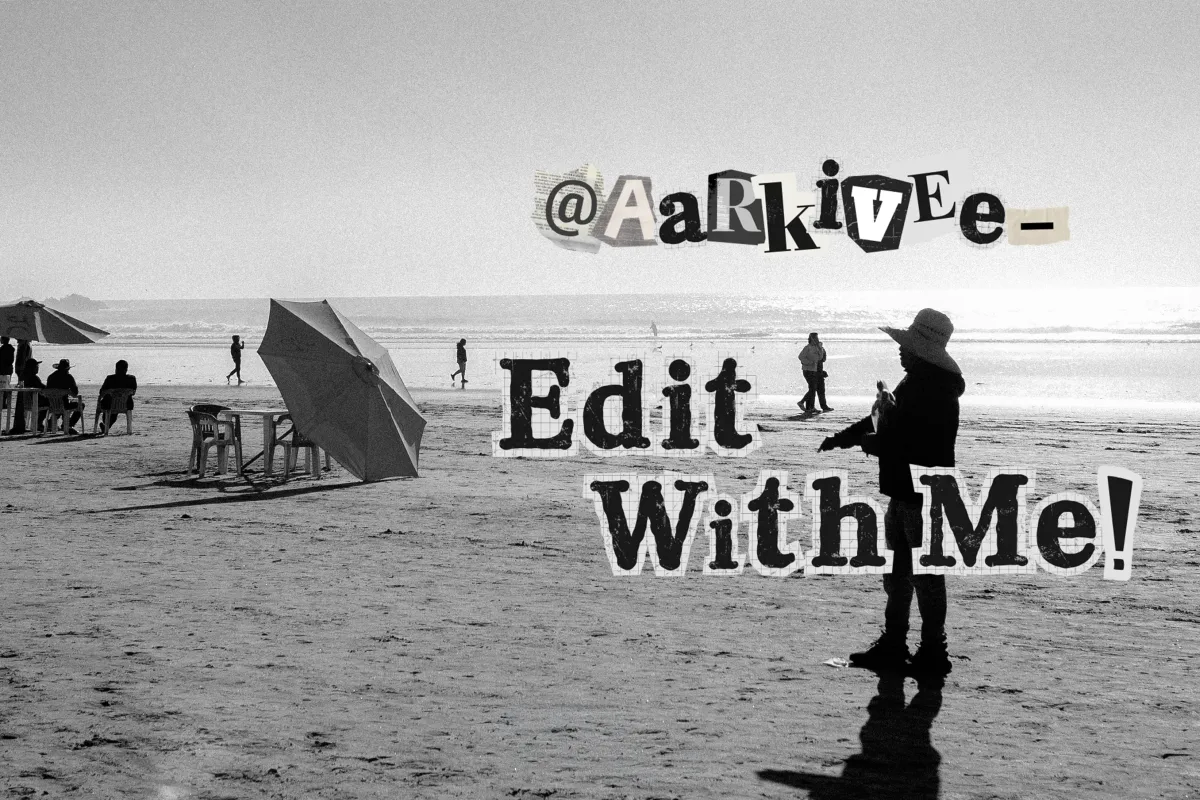
Of all the things you can talk about in photography, or storytelling, really, one that genuinely fascinates me is the power of editing and post-production. Photography editing is an art form in itself. For me, it's what can finish building a message or reveal someone's visual style, not in the sense of personalizing, but of genuinely showing who you are the moment you put the viewfinder to your eye. Editing adds, subtracts, alters and, above all, gives a complete interpretation to a raw image; an image that could have stayed exactly as it was, but that the artist decided to transform into something entirely different. Because the moment it goes into editing, even if the changes are minimal, even a slight crop or a drop in exposure means it's already telling a different story.
Post-production has evolved alongside photography itself. In the beginning, editing as we know it wasn't possible, but choosing a different developer, a paper with another texture, or a different type of film was, and through that, the art of shaping an image according to personal style and vision slowly took shape. Today, with every tool available (artificial intelligence included), connecting with post-production and defining your own style matters. Not falling into categories, but giving your voice and your essence to each image.
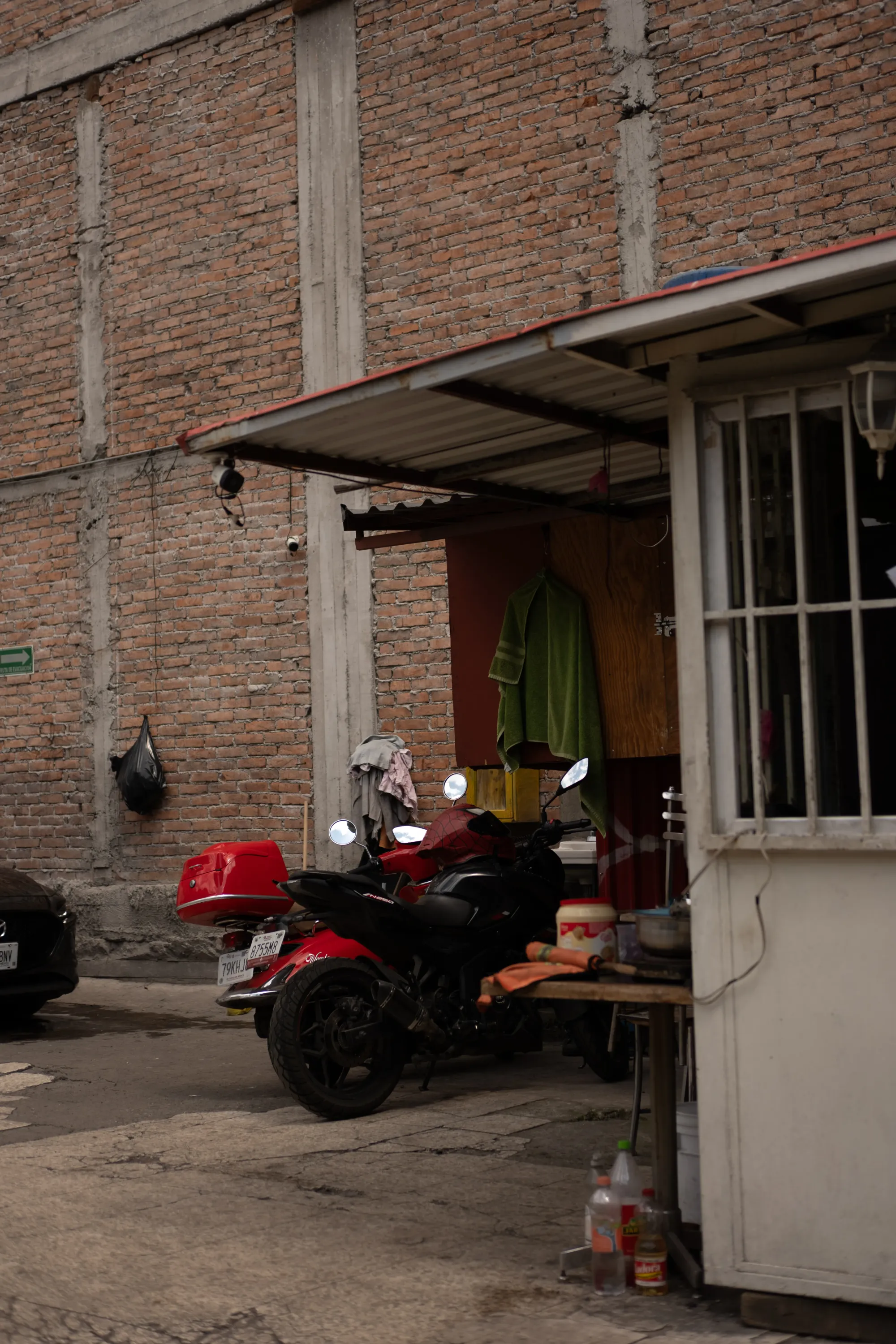
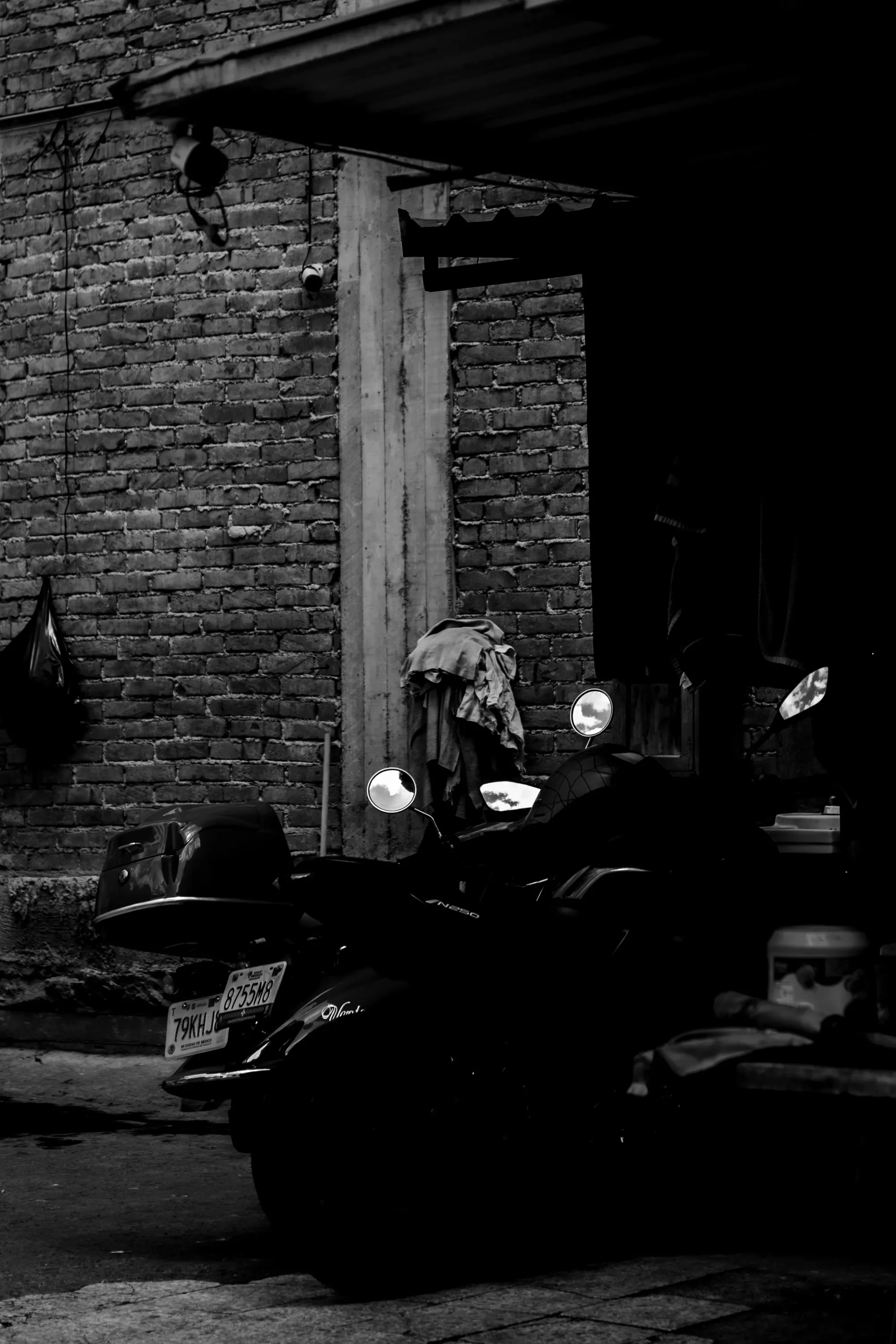
Before & after of one of my fave photos taken in CDMX. Sept 2025 Fujifilm
With that in mind, I started thinking about the visual styles of my colleagues: how I can identify their voice, their eye, even see bits of their personality through their photos. The one who edits exclusively in black and white with high contrast. The travel photographers who fill their images with a very specific saturation. Others who, even in the way they crop, know how to add something, how to tell their story.
Editing carries a lot of weight. More than we give it credit for. But today I only want to talk about style: how some artists prefer not to edit at all, how others go completely black and white, how some use editing as a statement and a way to communicate loud and clear what they are and what they want to express, and how even that is already a choice, a style.
One day, thinking about exactly that and wanting to connect more with my colleagues, build community and understand their art better, I decided to post a story to see who wanted to participate in editing one of my photographs. Something that's been done before, yes, but here I wanted more than just seeing editing styles and running the typical "which photo did you like best?" I wanted us to actually think about personal style: how some decided to crop it, others go black and white, and how people handled the fact that I deliberately chose an overexposed photo, to see what happens when everyone starts from the same file.
Because for me it's not just editing; it's adding to the story. When they agreed, I went to work on the photo the same way I always do: understand it, let it be, using my colors and my way of respecting light and shadow. I usually edit a whole set at once, a hundred (yes, I shoot a lot), and then post them gradually, by publication, blog post, or whatever the image and my creativity are asking for. Before sending the raw out (it was important to me to edit first, so I could respect everyone's individual vision and actually be surprised when I got theirs back), I sent the raw and waited.
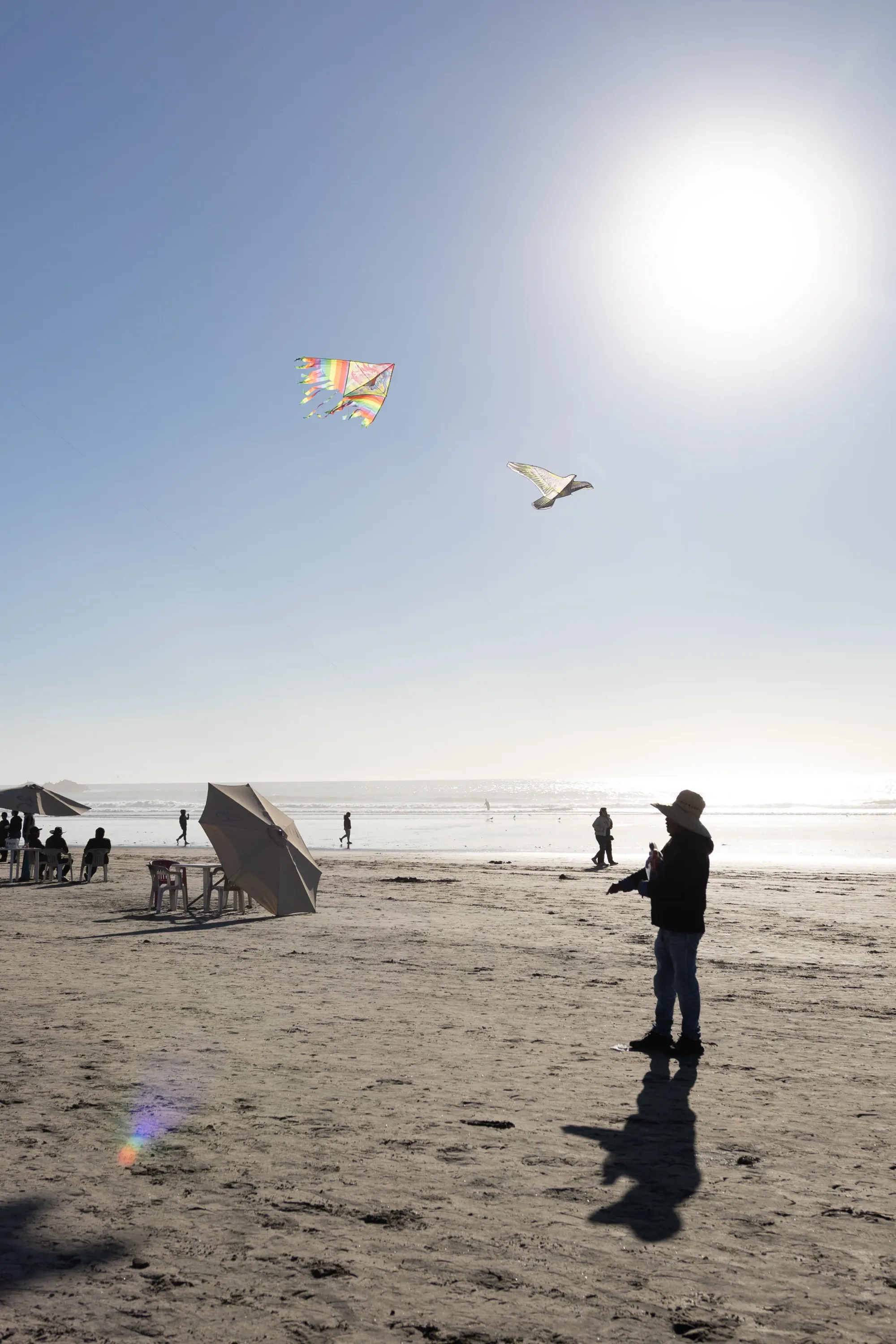
The raw: I took this photo at the beach, one of those days I like going with my camera, my friend, our books and an iced coffee. Nothing special about it, but it's a clean image that still holds a lot of elements: people walking the shoreline, someone far out in the water, men in hats sitting and enjoying the day, and the main piece of the composition, a man selling papalotes (kites) whose silhouette and colors come through even in the underexposure, bright against the sky.
I originally said in my story I was looking for 8 or 9 photographers for this exercise, but the response was much bigger and I loved that. The premise was simple: here's the raw, style is open, do whatever the fuck you want. When I got everything back, all 15 of the colleagues who participated surprised me with the decisions they made around cropping, editing and highlighting different elements. Some prioritized color, others silhouettes, others contrast; some went after the overexposure to fix it, while others, like Fidel (@ladrondememorias), chose to use it and take the image somewhere completely different.
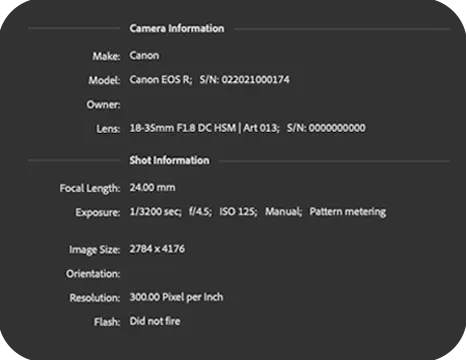
The photo was shot on my Canon EOS R with the Sigma 18-35mm f1.8 lens. Here are the results, and I hope you can connect with each person's style, more than picking a favorite, I want us to look at the beauty of having your own style, the art of editing and what each person brings to an image. And yes, I'm definitely doing this again. I already gave it a name: Edit with me!
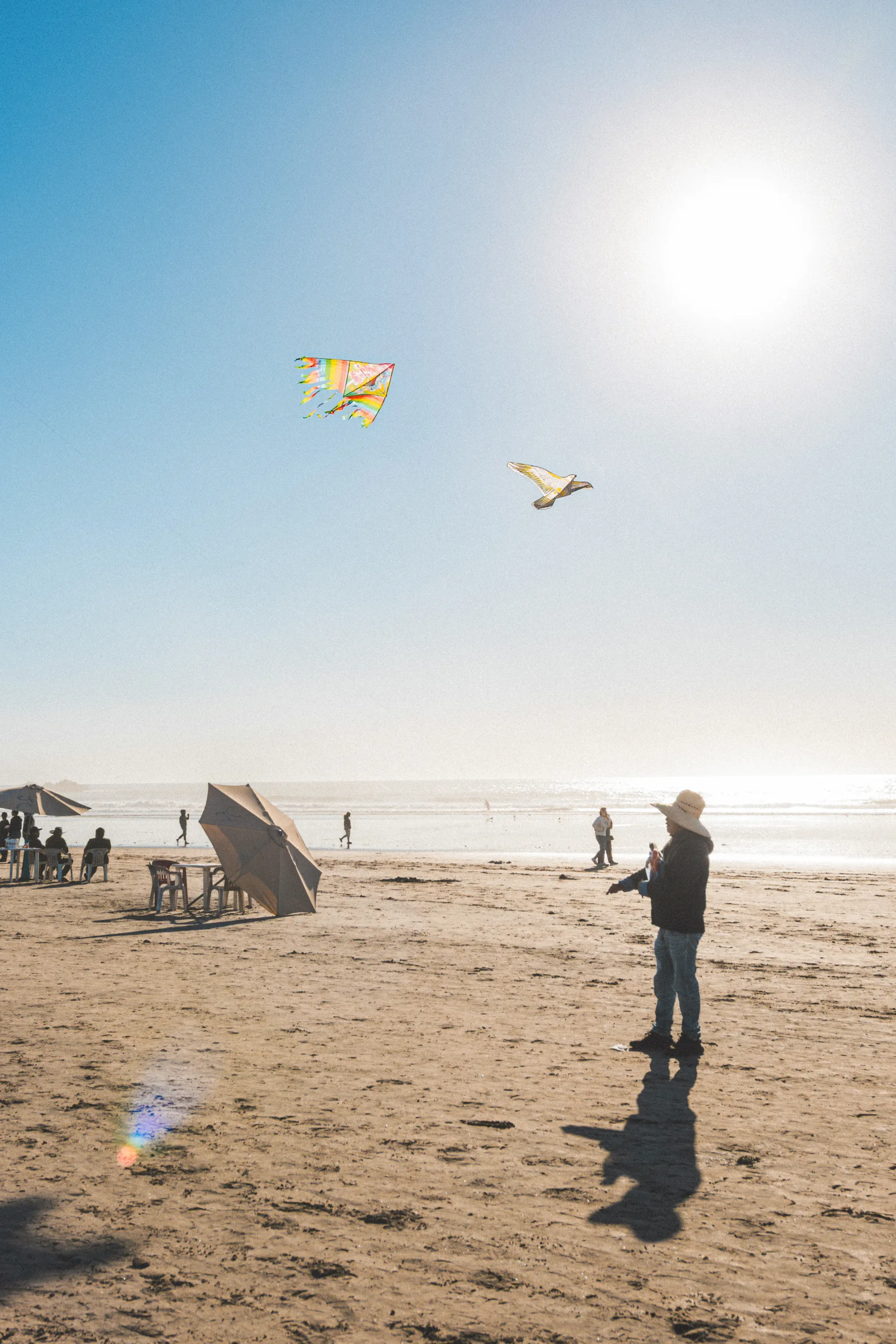
My edit: I love going strong on contrast, or sometimes just respecting whatever the photo and the space are asking for. Here I wanted to flow with the light and fully use how it was hitting straight on. Color, because a blue sky almost always hits right for me (black and white is for when I need to rest); grain for that soft texture; temperature in the middle pulling warm, with a green tone, masks to keep the sand in check (we don't want it super yellow or green); basic halo and purple correction, without touching the proportion or angle at all, to stay faithful to the raw. (For the purposes of this exercise, personally, I LOVE cropping photographs.)
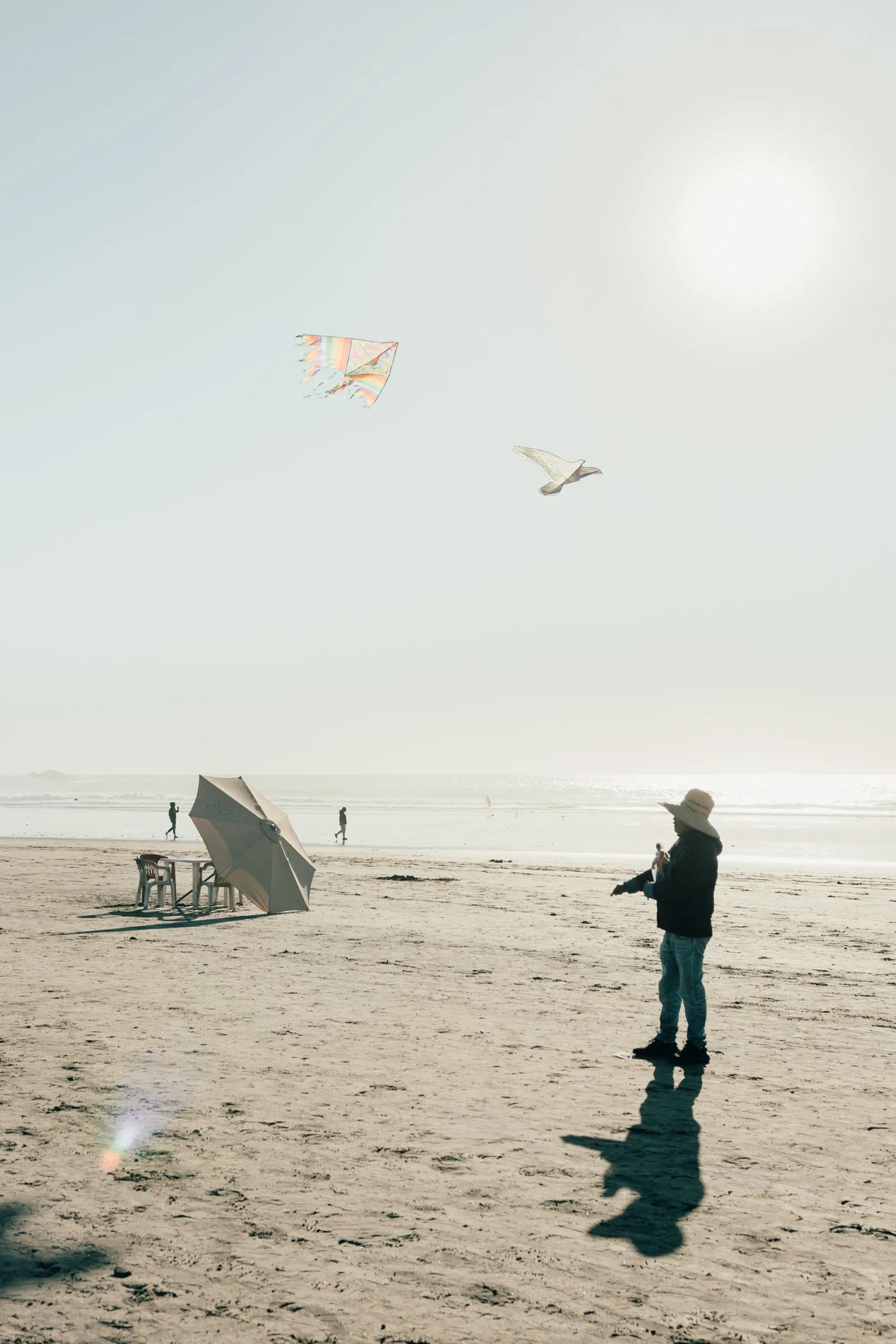
Fidel @ladrondememorias, with a very particular style, clean, no saturation; an overexposure that became the foundation of light in the image. He also took the liberty of removing elements (like the men sitting at the tables) to clean up the frame and give it that minimalist touch that, if you go to his profile (GO, just go!), is actually different from his usual style, and that's exactly what I love about it. Editing isn't always about putting a preset on your photos and making them all look the same; it's about playing with whatever is in front of you. I spent more time on this one not because it matters more, but because for me it's a clear example of how you can take a visual element and make it entirely yours.
Josué (@gogogomx) went for a soft style with a color treatment that the first thing I thought was: this photo gives me so much nostalgia. (Josué told me he was listening to cumbias while he edited it, the soundtrack is everything.)
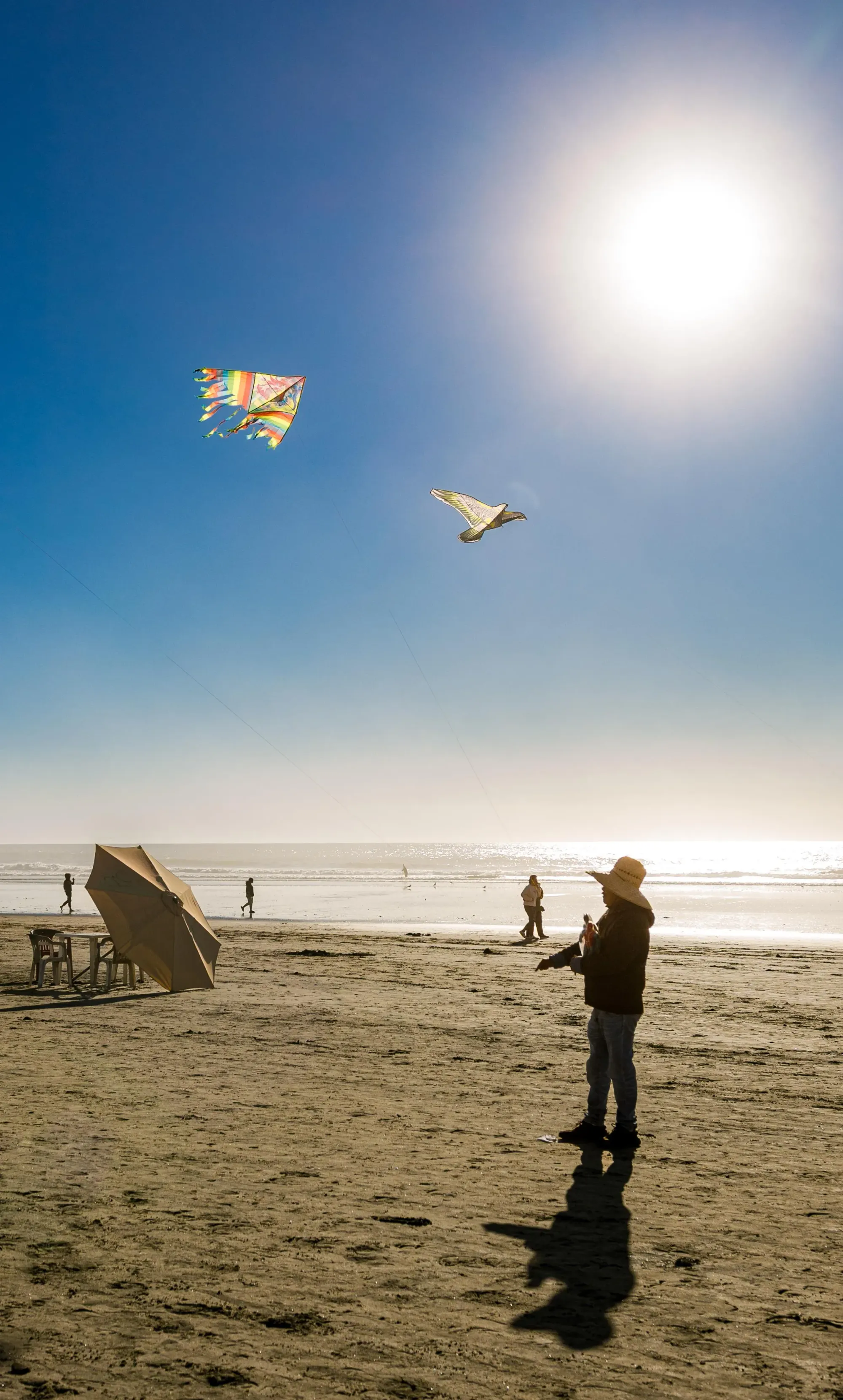
Javier (@photoreivaxor) landed somewhere very close to Josué, with more grain, and I loved that too.
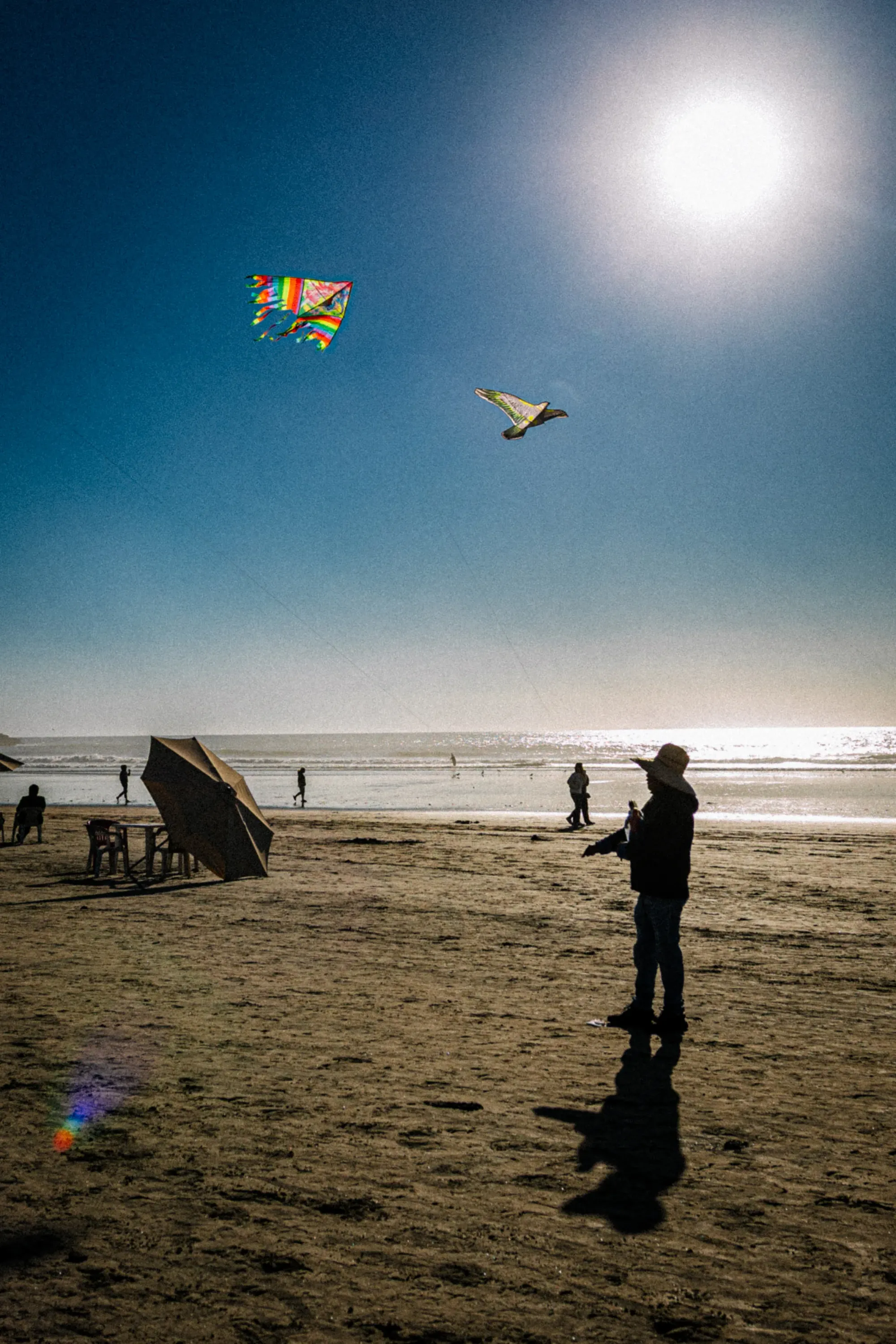
Ashton (@fromashtxn) went classic black and white, with texture and heavy grain; a clean crop that brought the main silhouette fully into focus, reinforced with high contrast.
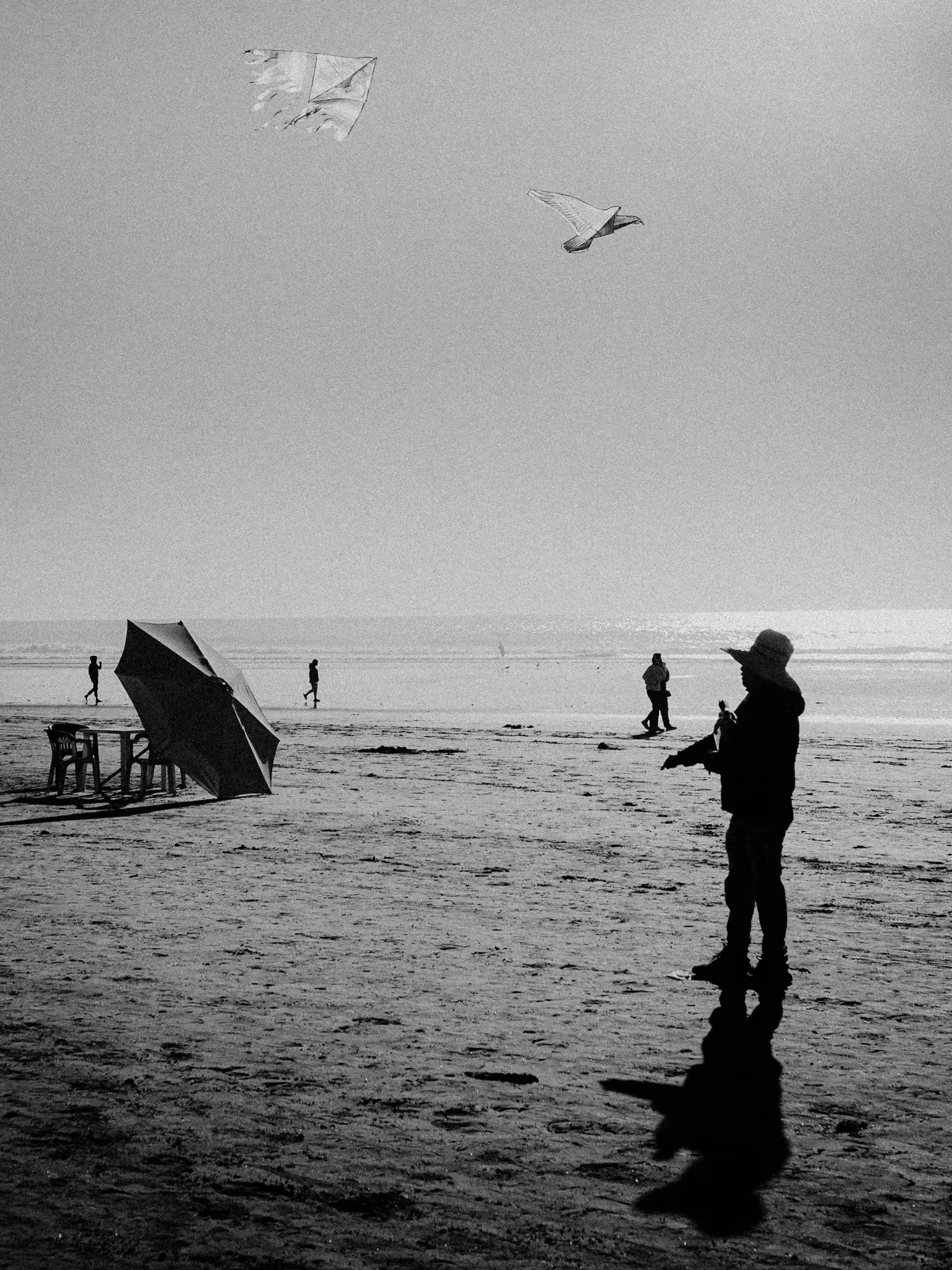
Marlon (@marleonortiz) surprised me with tones pushed toward pink and strong shadow contrast, very nostalgic. The vignette gave it a completely unexpected feel.
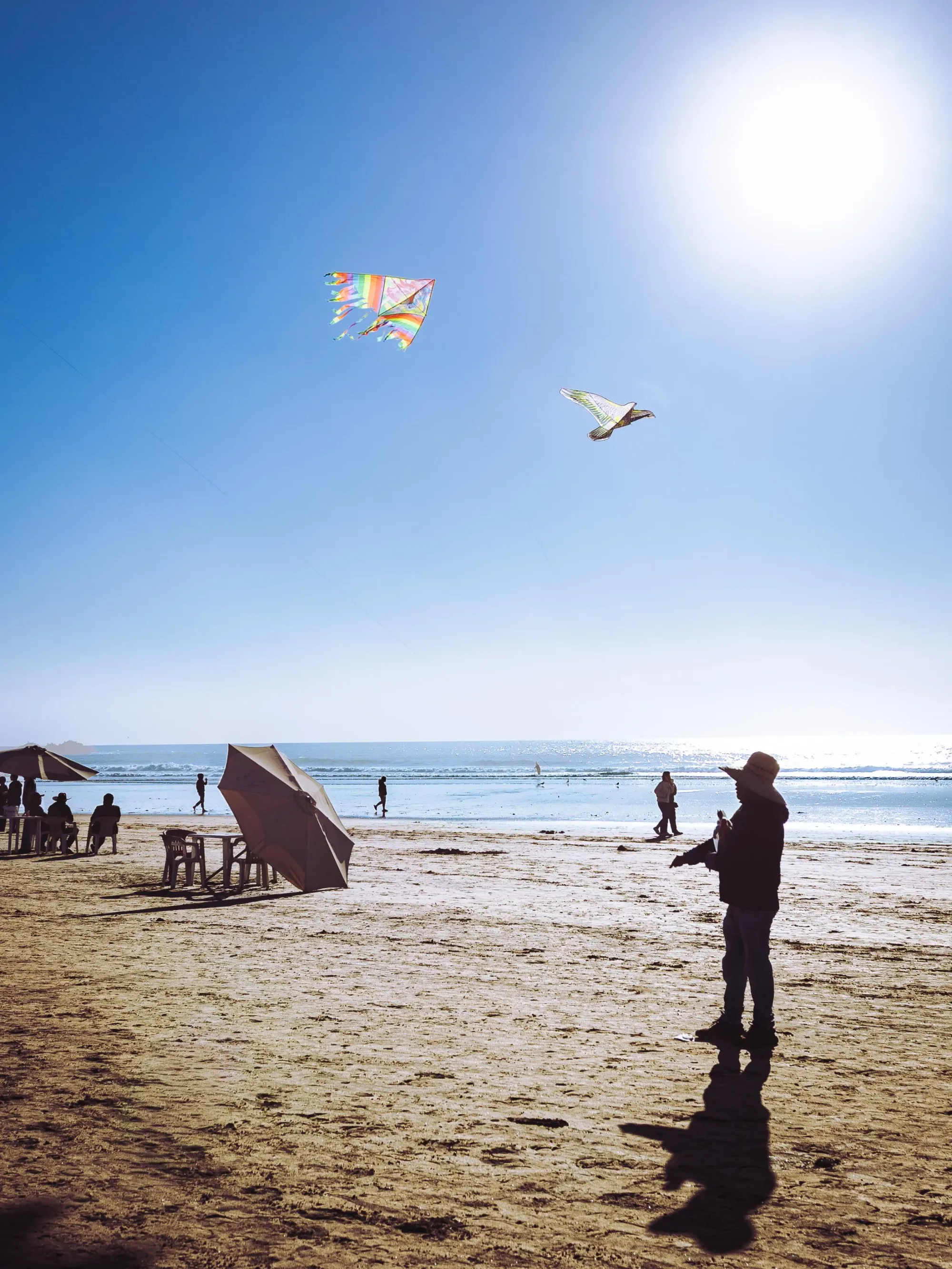
Miguel Angel (@eyegloh) came in with a lot of contrast and a saturation level that gave the papalote a massive color pop.
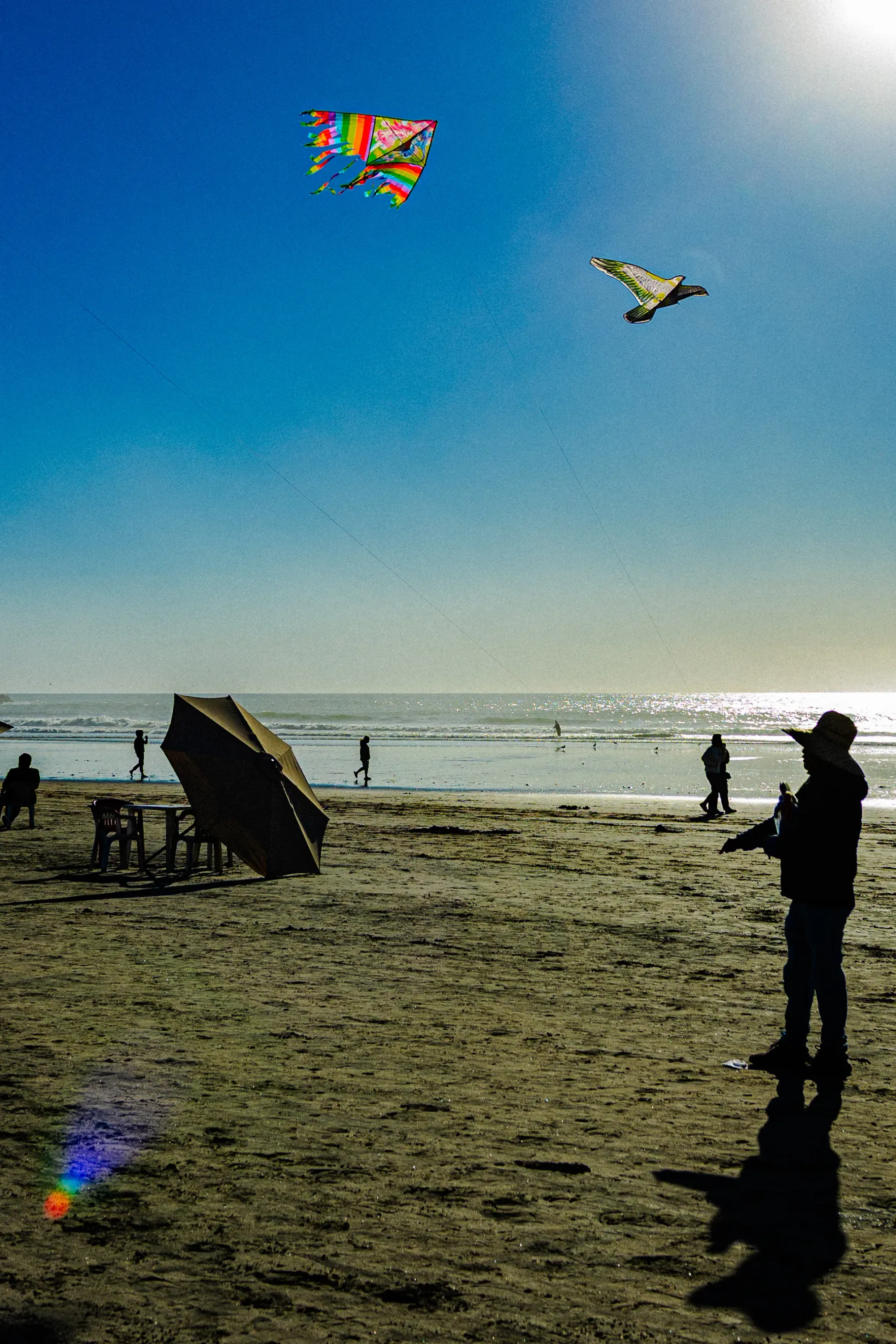
Anna (@annacamarillo.foto) also went for a pink tonal range with soft but present contrast; you can really see her vibe in this one.
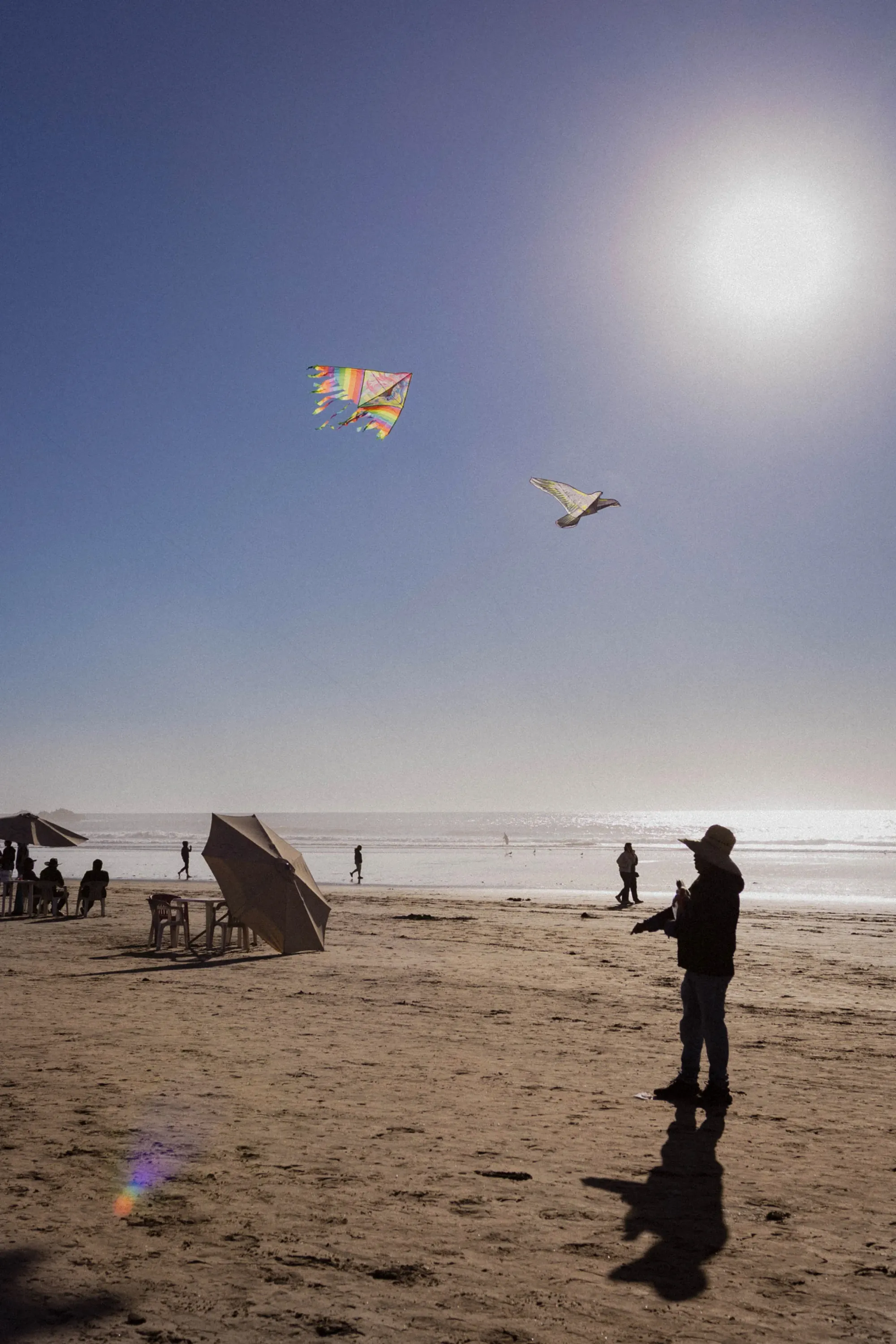
Liz (@l_zfotos), compared to the others, went for a more minimalist edit: she prioritized keeping the original frame intact, adding only contrast in the shadows. It's the one closest to the raw, and it shows that sometimes correcting the minimum, by your own eye, also adds something.
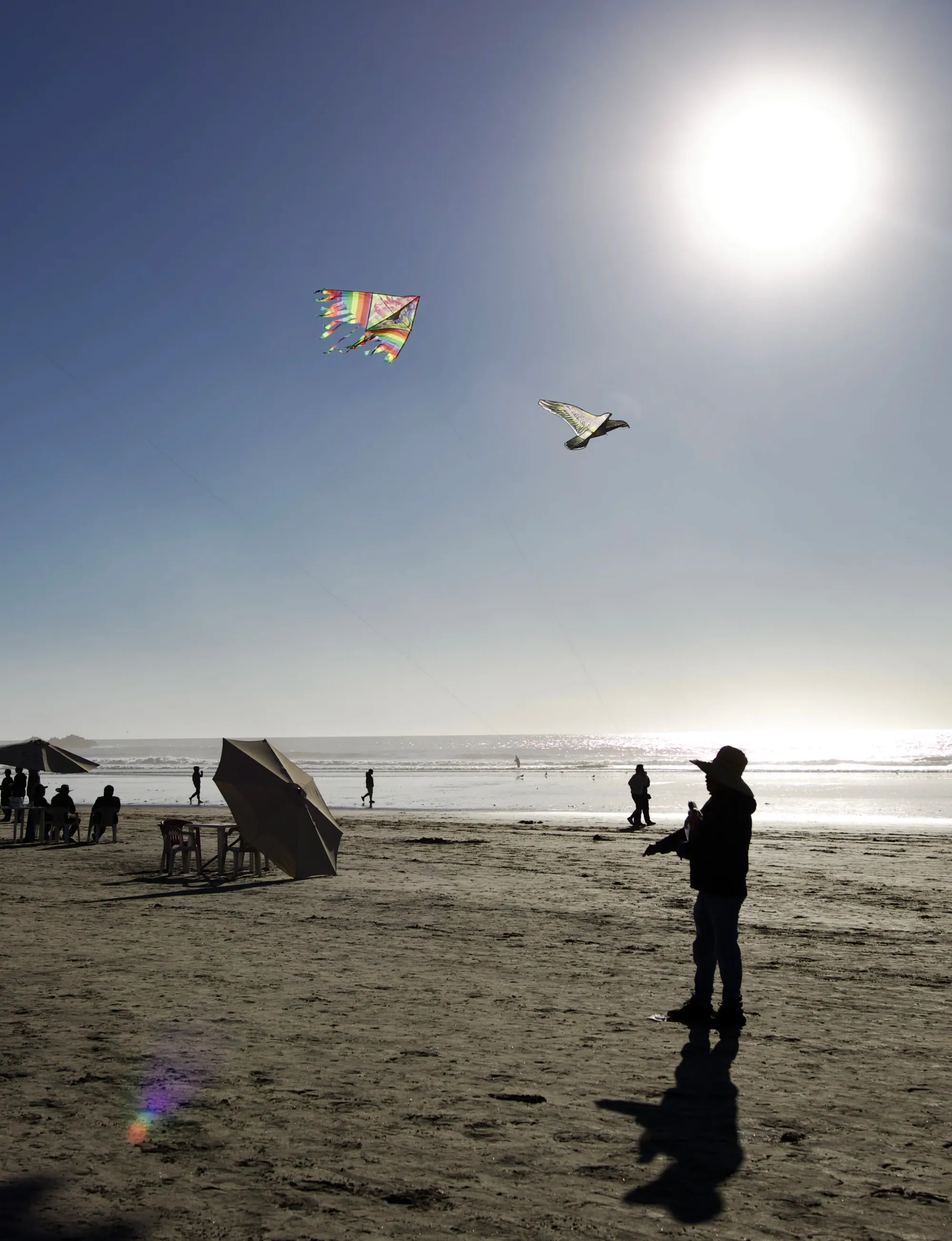
Emmanuel (@garciaexcii) told me he couldn't choose between his options because he edited several, all with very different styles, which adds to what I've been saying: even the same artist can tell different stories with different styles depending on how they read an image. In one, he cropped and highlighted something nobody else did: the umbrella and the table. In another, a horizontal crop that turned out very different from what everyone else did. I love being able to see different styles coming from the same person; it reaffirms the idea that one photo can look so many ways, even when it's the same person editing it. And yes, I can confirm that sometimes you imagine the same photo in multiple directions and you just can't decide because they all communicate, they all highlight, they all carry a different vibe.
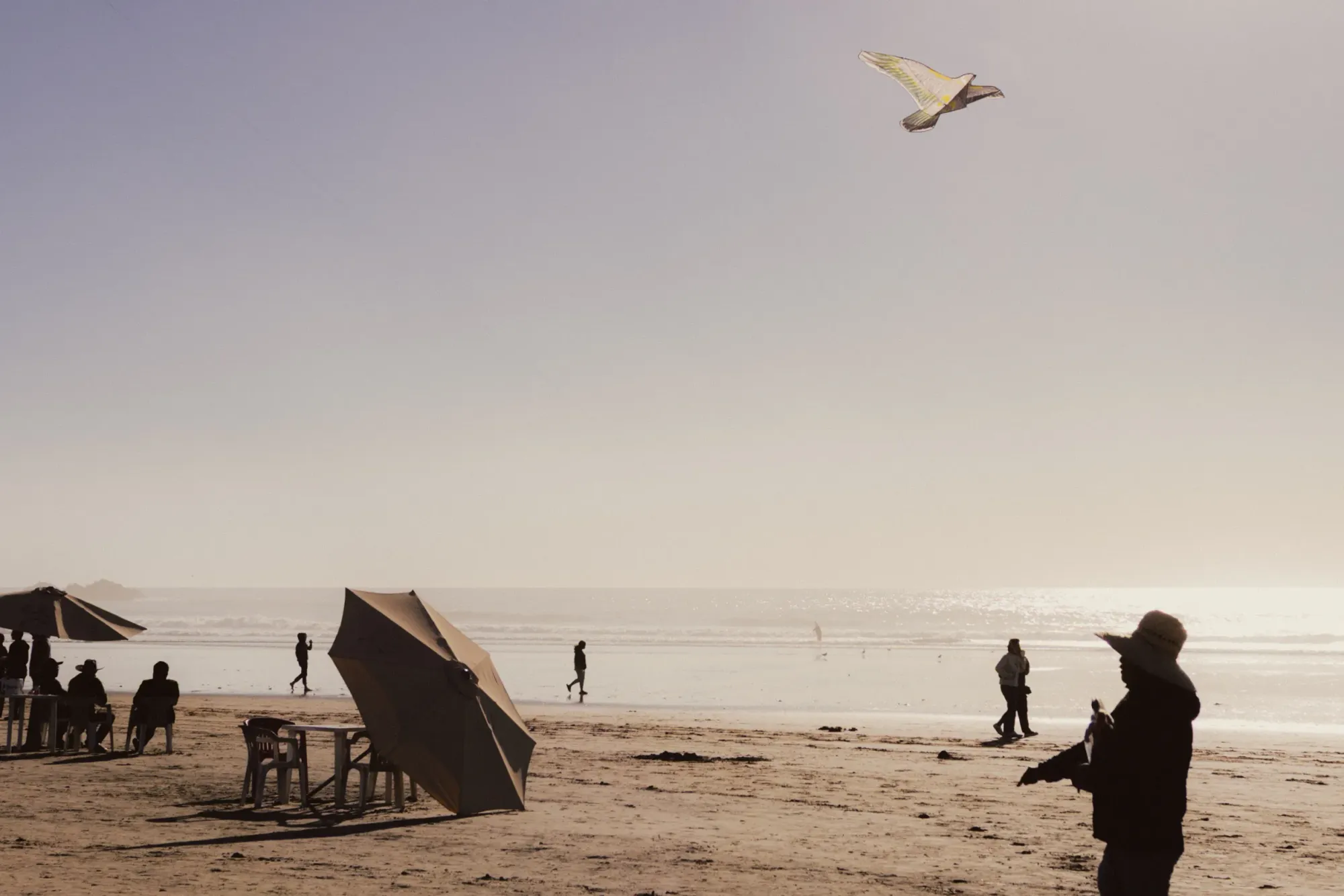
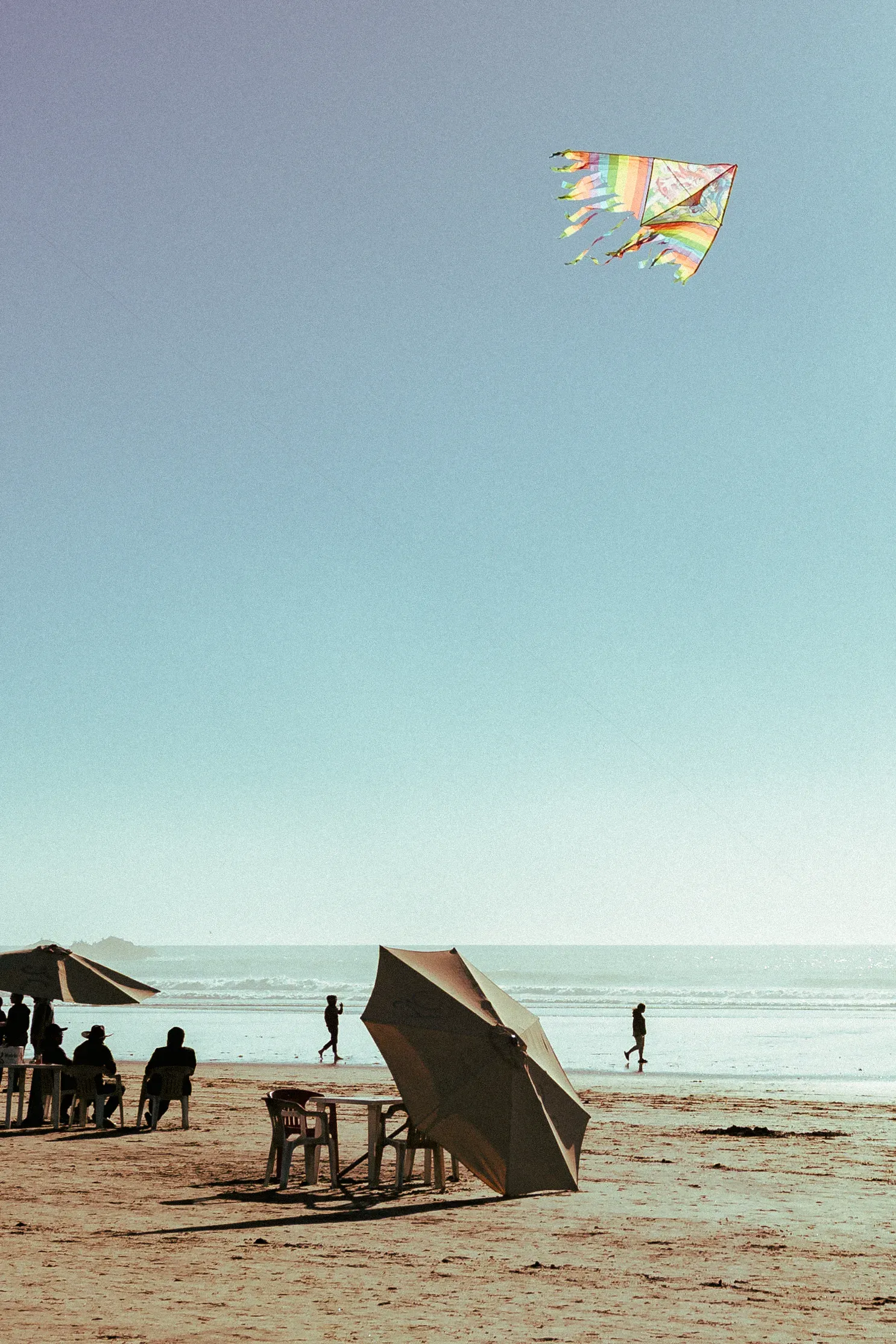
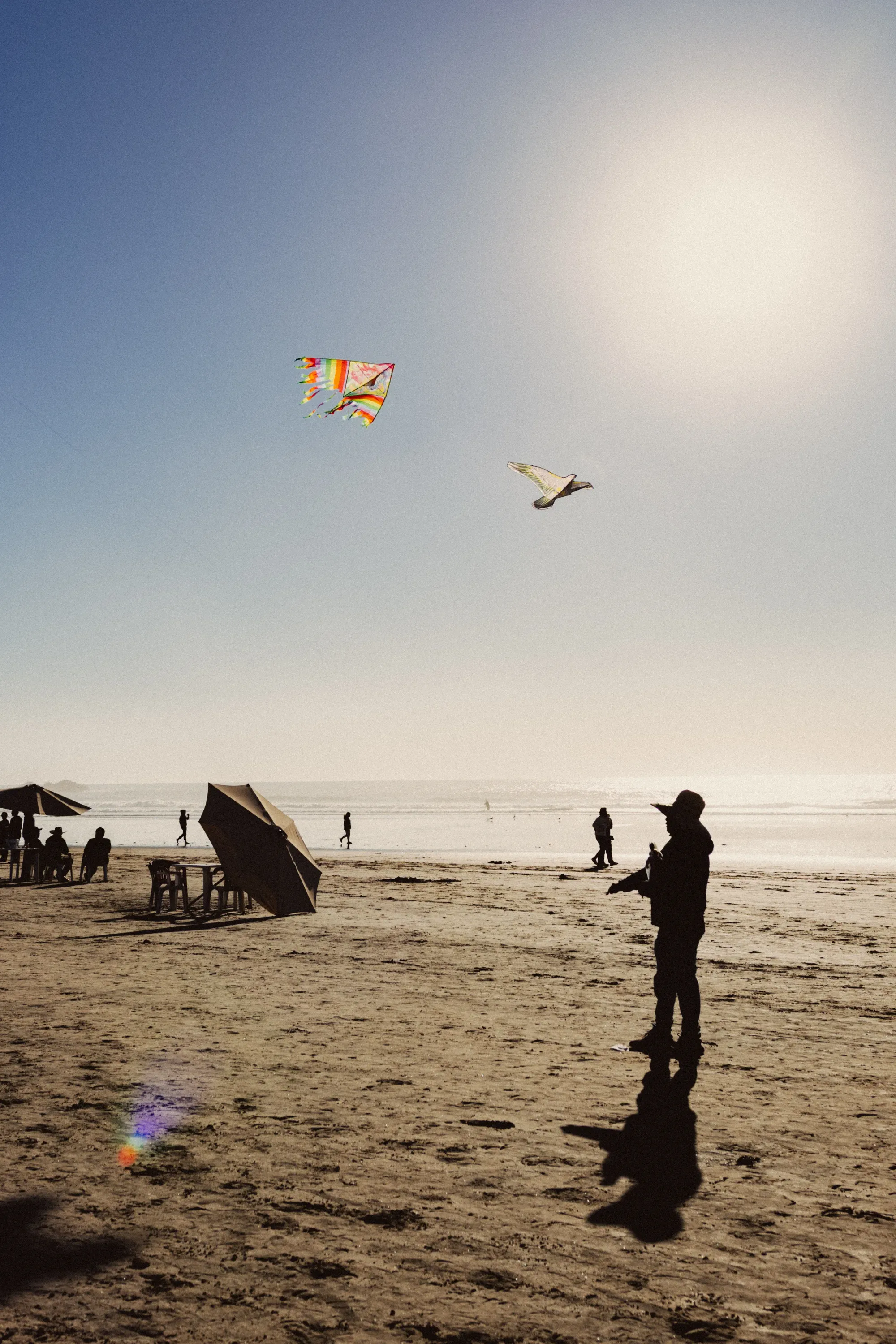
Emmanuel - @garciaexcii
José (@joselucastaneda) mentioned the overexposure gave him some trouble, and that's also part of the process: what some use as an opportunity, others want to remove, avoid or transform. In this exercise, you can see a lot of contrast and texture that gives it a distinct and unique touch.
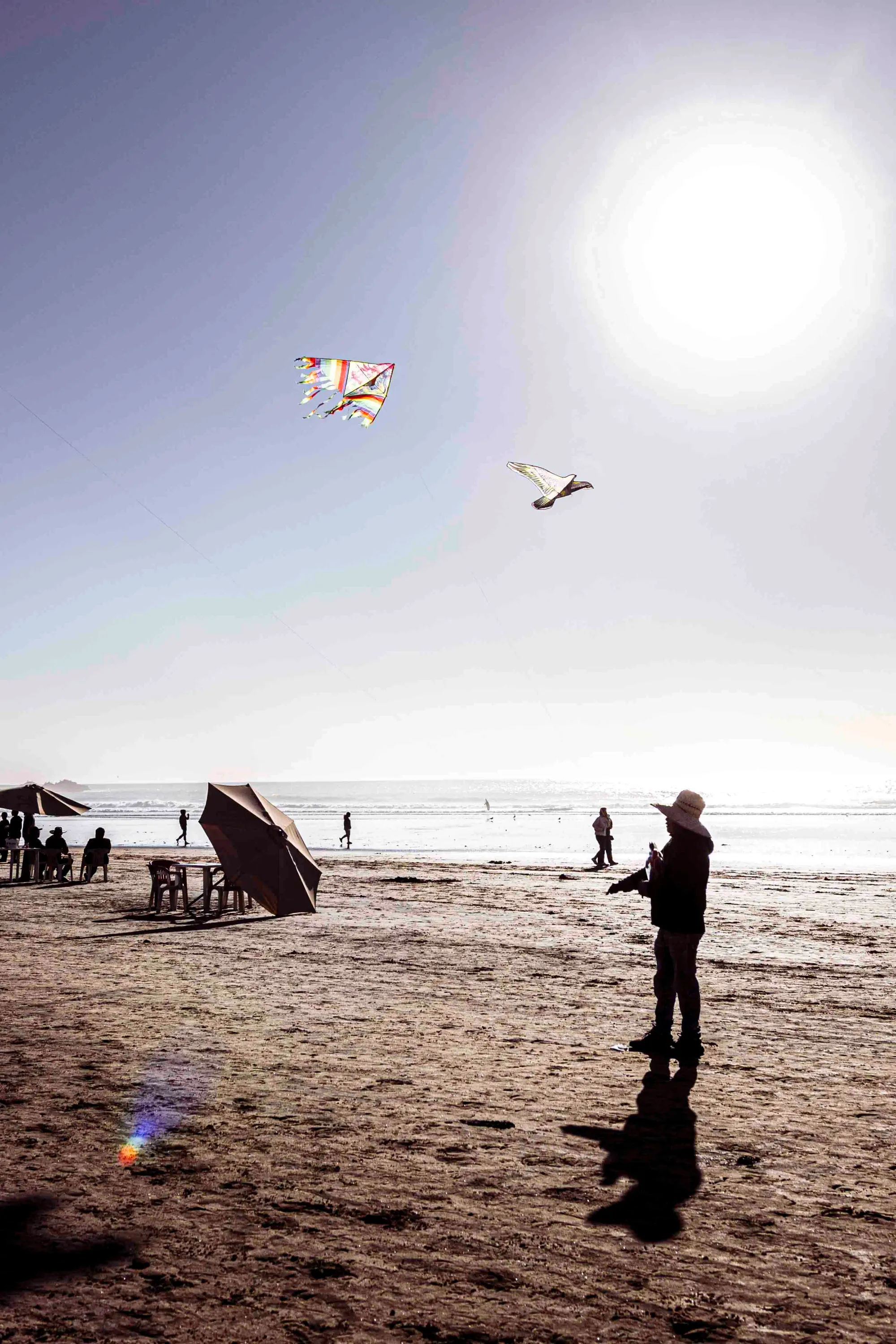
Levi (@buddyboishoots), to me, has one of the most defined styles of the group, and it showed in contrast with everyone else's.
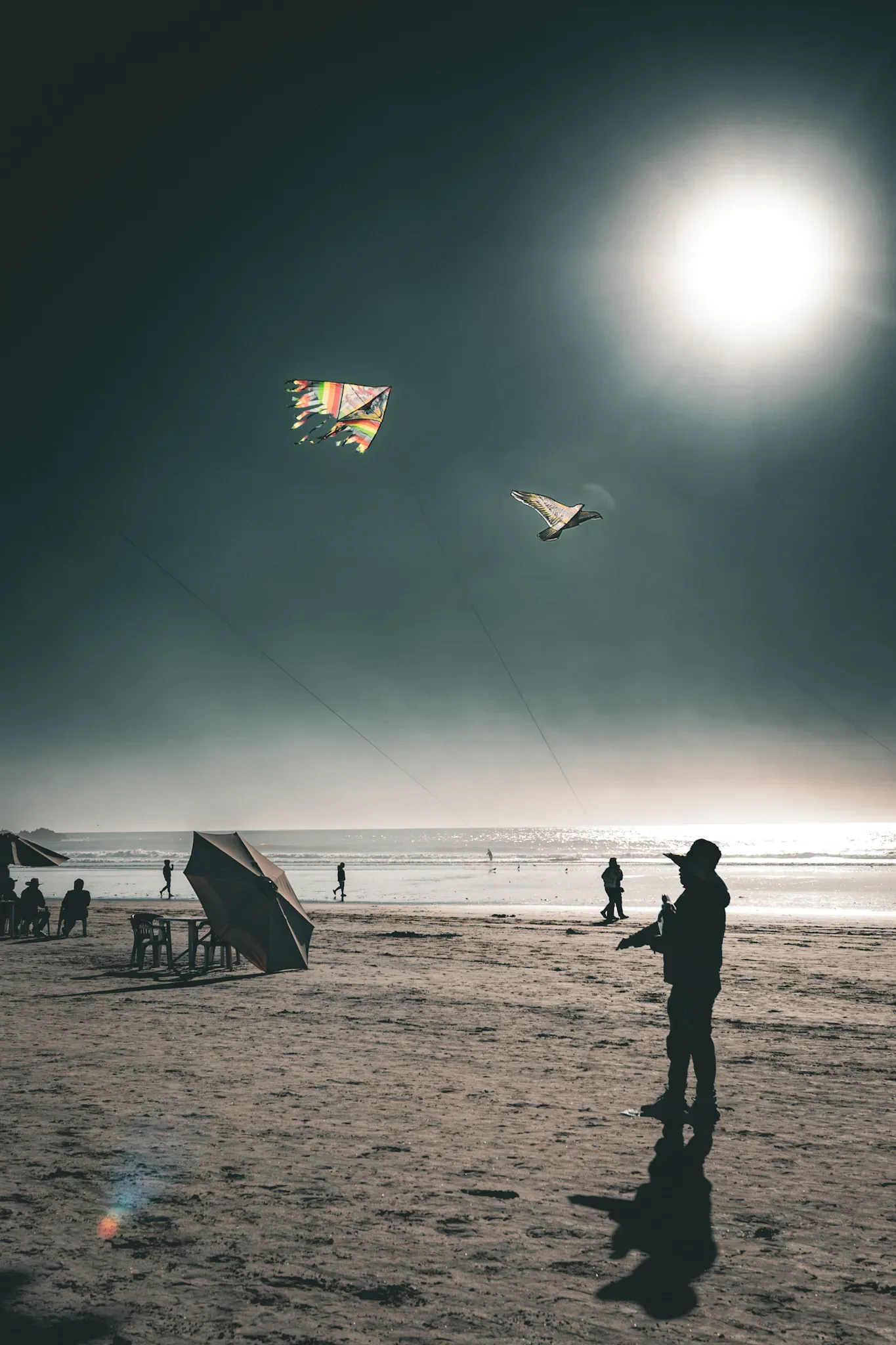
Erubey (@erubeymc) decided to bring the exposure down and push the shadows, which lets you see things you simply don't in the lighter versions. I loved the color work, and the fact that even though he edits mostly nighttime photography, here he balanced the light in a really thorough way.
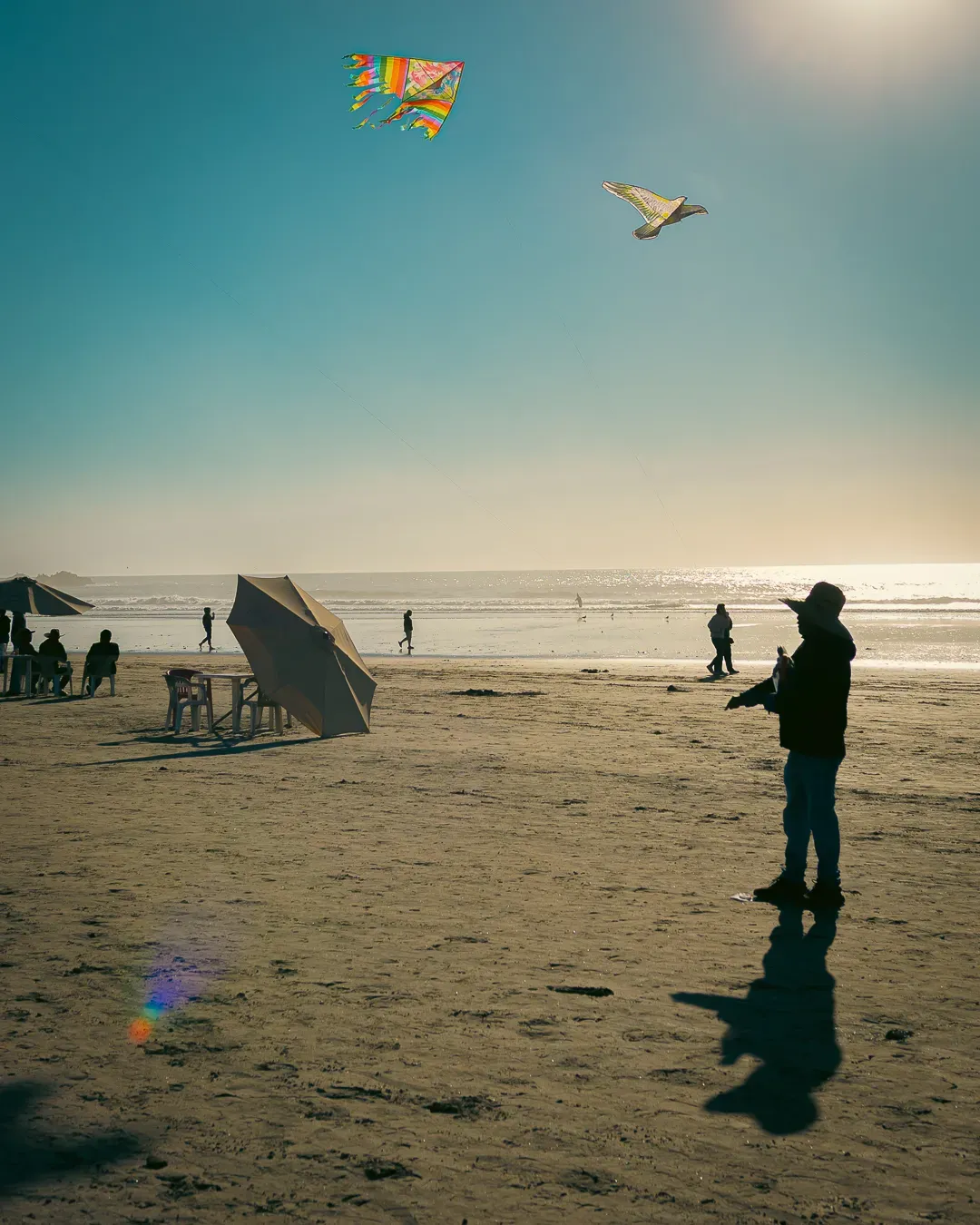
Mia (@miamonichvr) surprised me with something clean, minimalist and warm. Refreshing to see; I hadn't imagined one of my photographs looking like that.
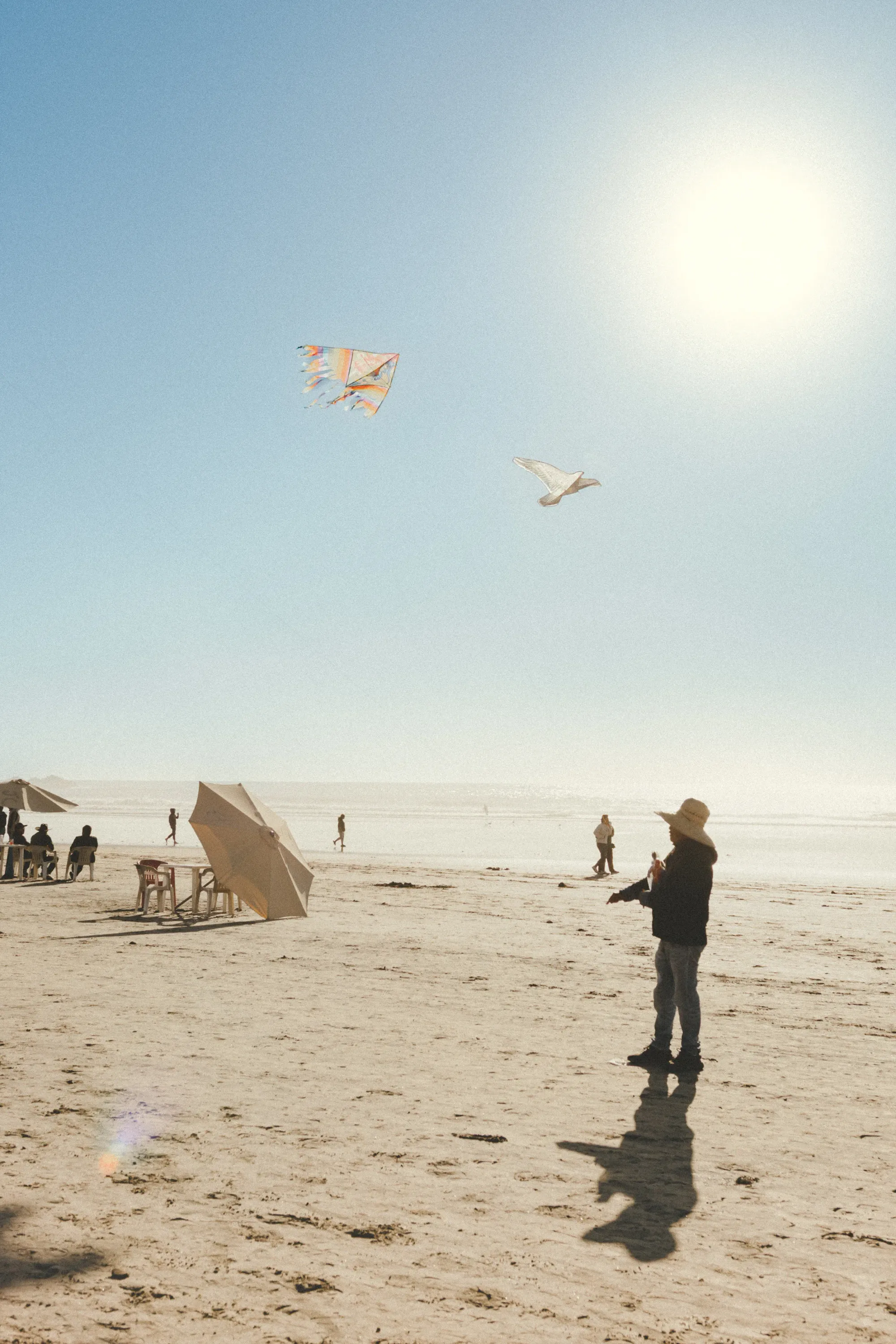
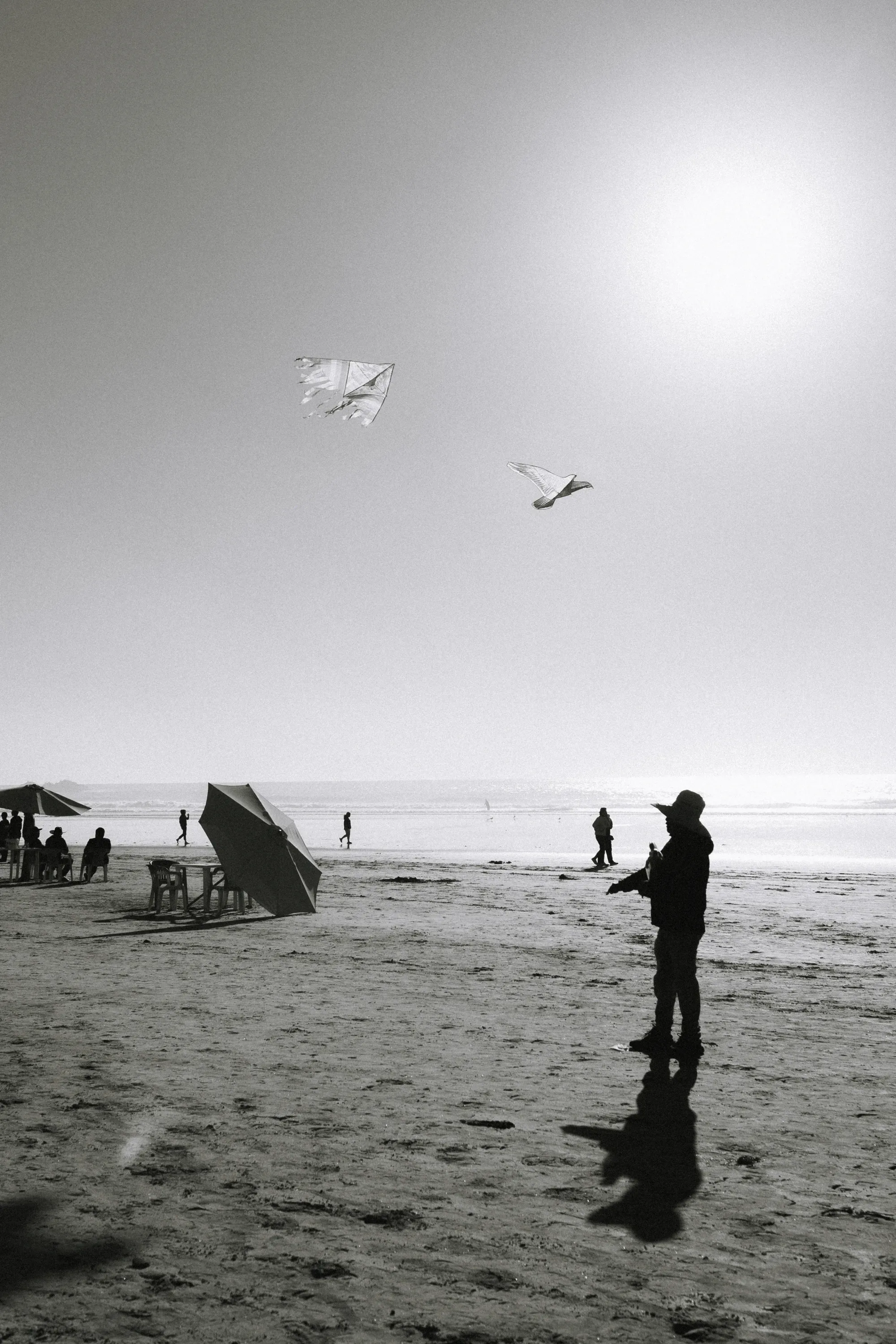
Sofía (@oanna.s) went black and white, with strong shadow contrast. And here you can see that even within black and white, there are endless directions and styles possible.
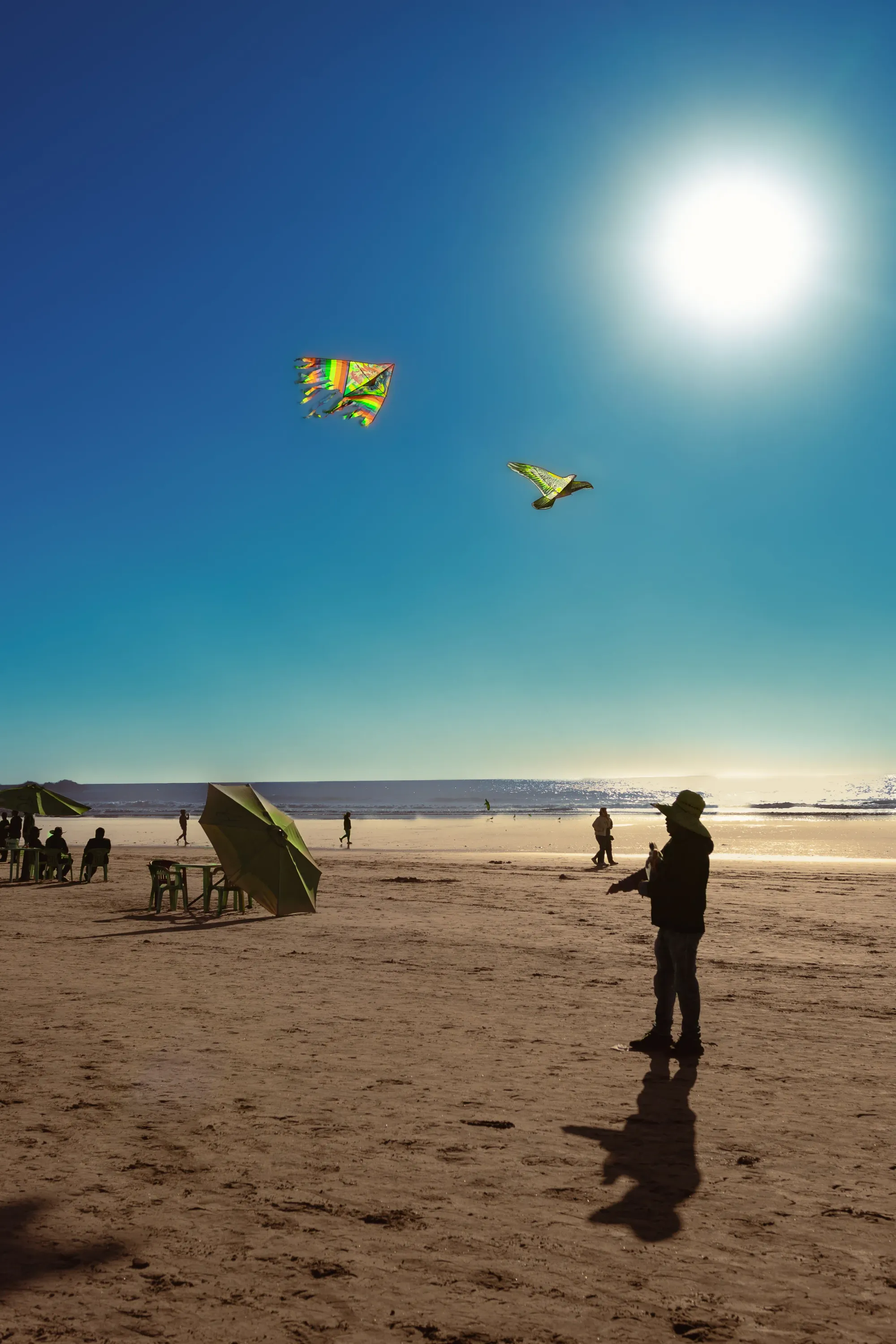
Israel (@birv06), very true to his style, accentuating and even shifting the green tones. Also something fresh to see.
And with that, I wrap up the first installment (lol) of Edit with me. I loved exploring expression through editing, seeing the results, connecting with the colleagues mentioned above. I'm really grateful to each and every one of them for being part of this exercise and for showing me so much diversity of styles, tones and compositions in a single photograph, THANK YOU!.
May 27, 2026
An edit! So many files in my folders, not an excuse, but in my original post I forgot to include two talented photographers who also sent me their edits. I love how they add even more to the initial message: that even in tones, shadows and light, small adjustments alone are already creating a completely different photo.
José (@aguirre.dlt) gave the shadows some incredible tones; the contrast they bring already makes for a very interesting variation from the original raw.
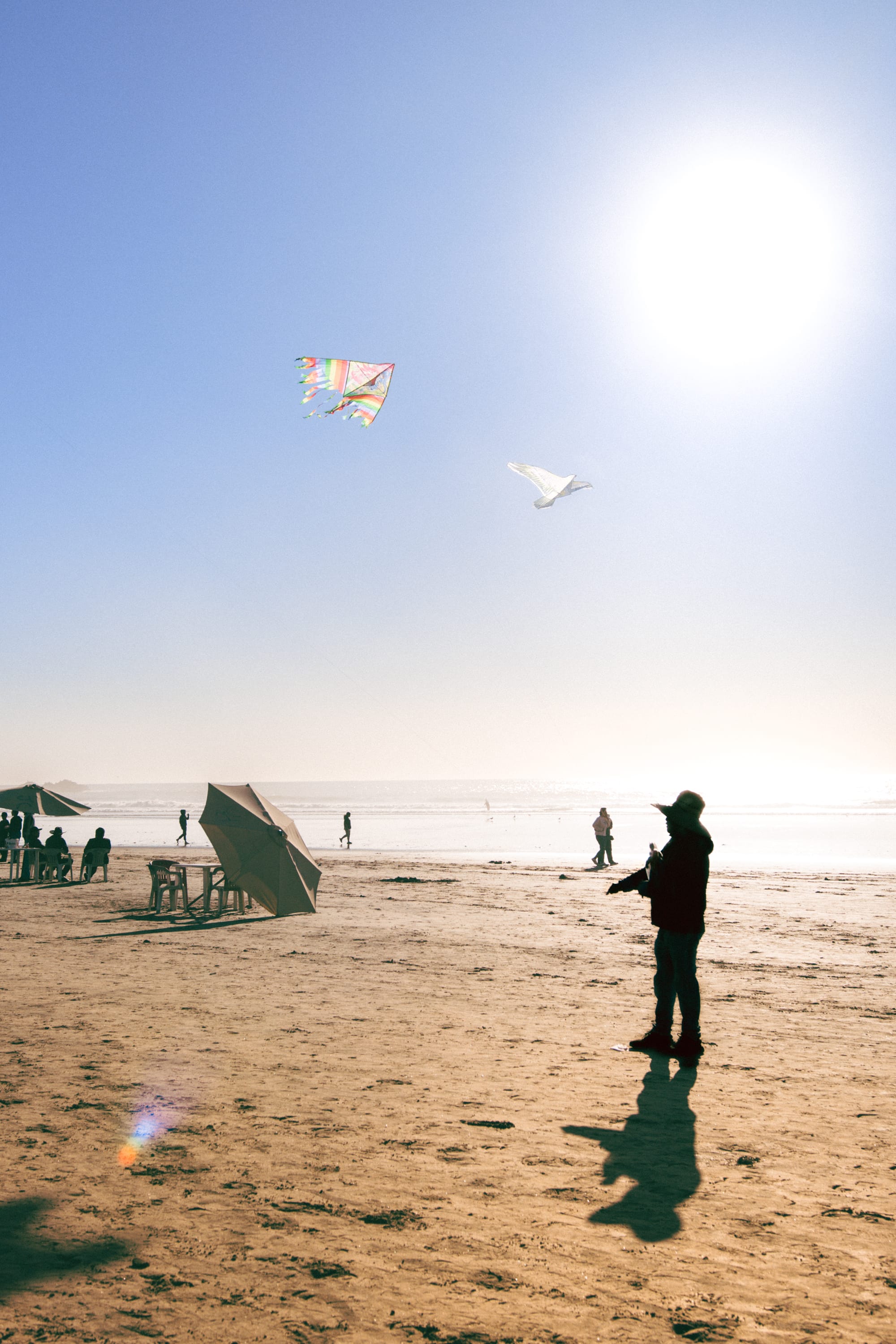
Astolfo (@astolfodgarza) went for much colder tones, giving a different kind of nostalgia from the ones above. He also played with the shadows, making them deeper.
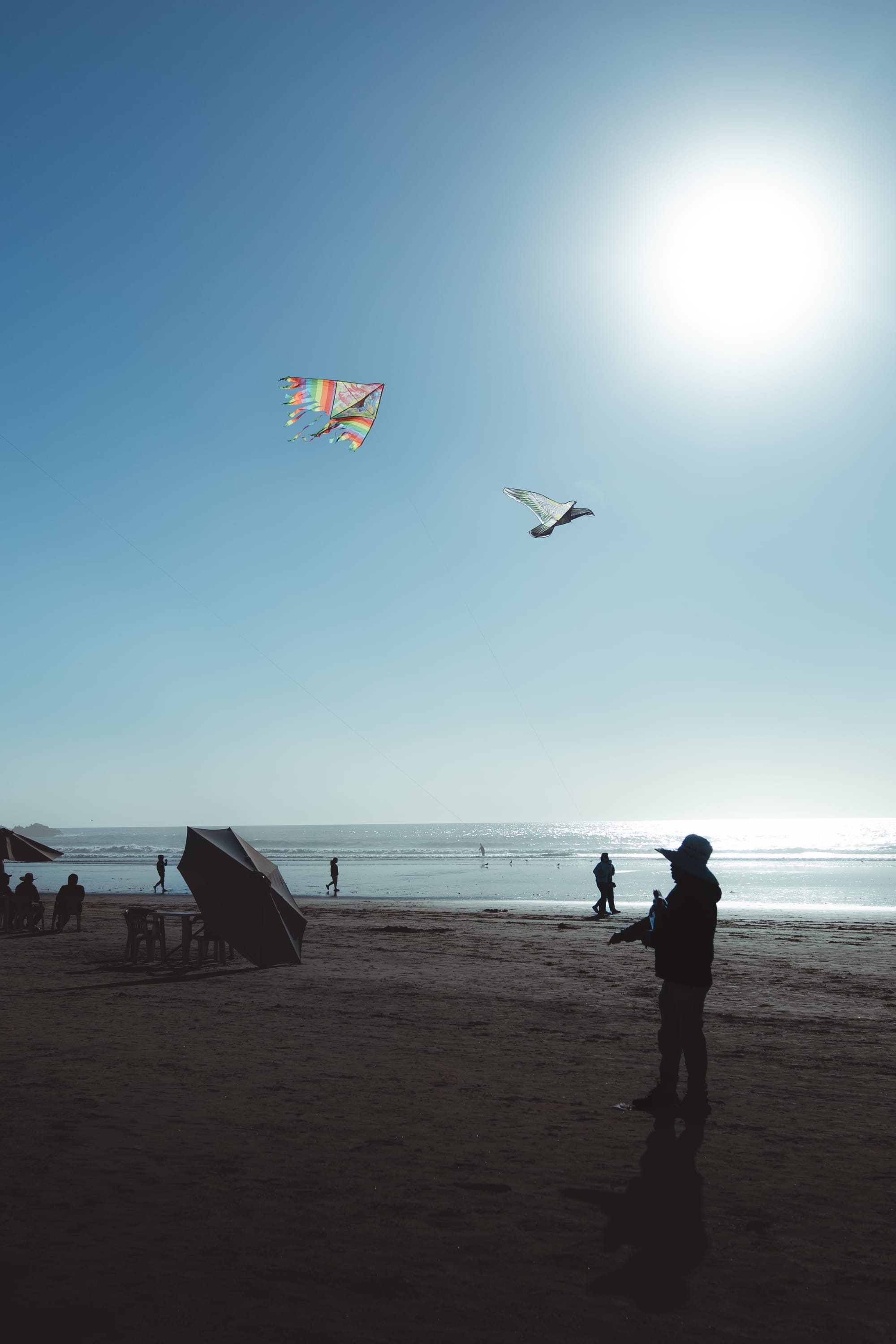
Thank you both so much for joining this exercise, so much talent in this one!