The Heart of the Sierra (english)
______
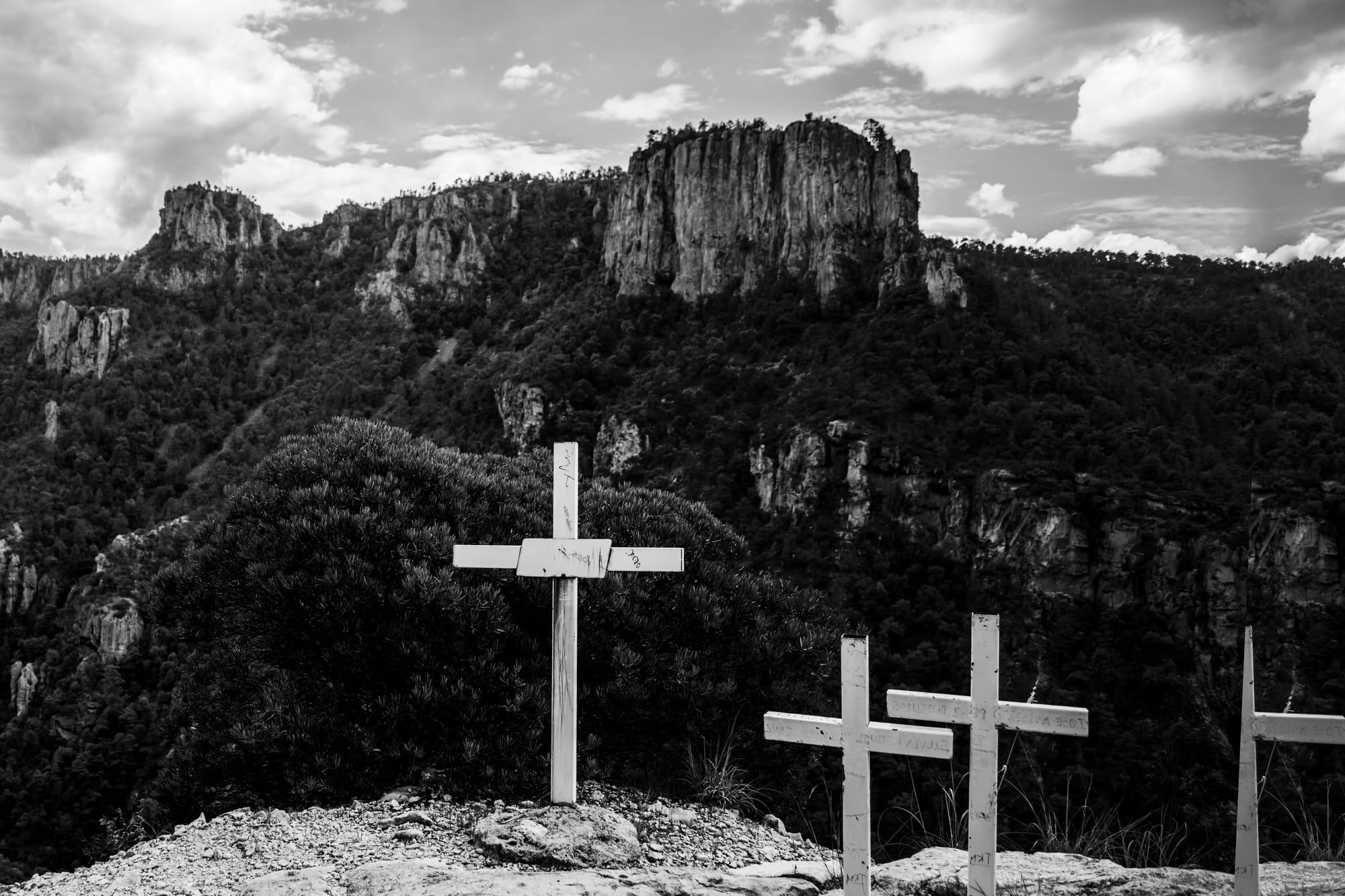
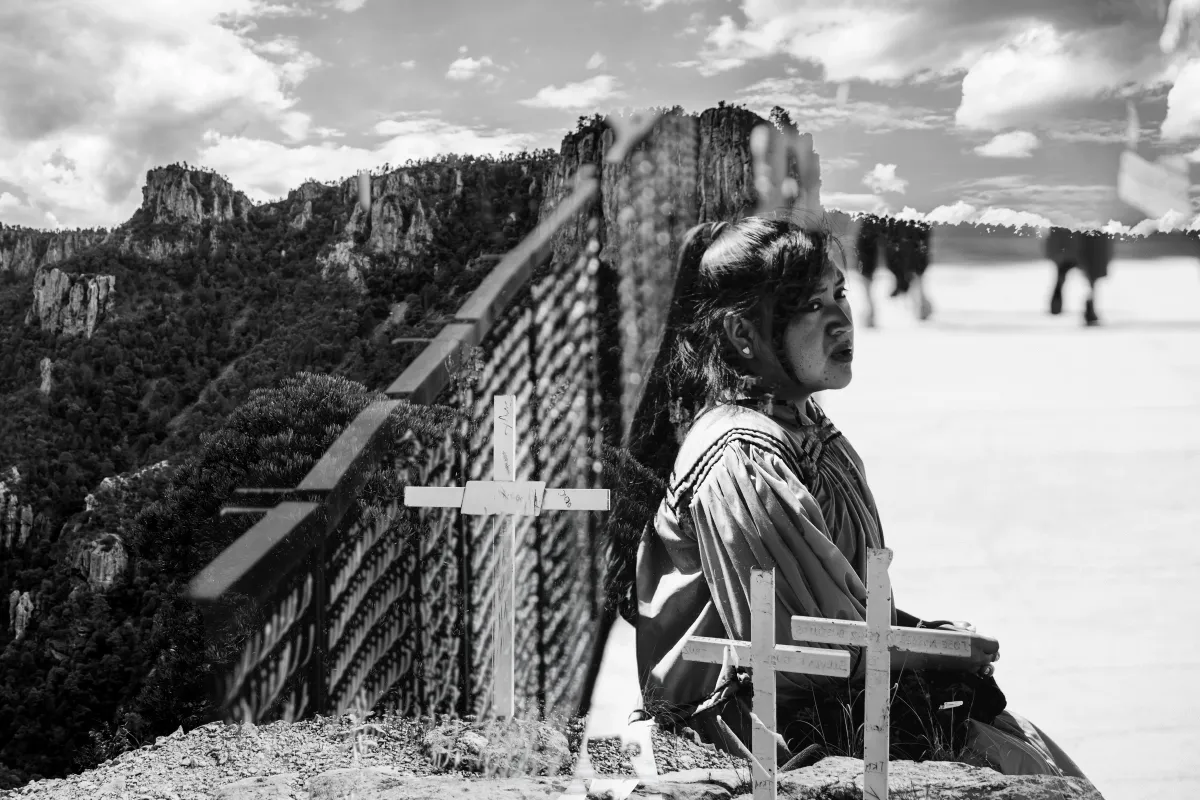
This year, for 8M, I wanted to look somewhere else as well. I wanted to look north, toward my beloved Chihuahua, and uplift the faces of Rarámuri women, women of the sierra, women of strength. Women who inhabit and sustain one of the most imposing territories in Mexico, the Sierra Tarahumara.
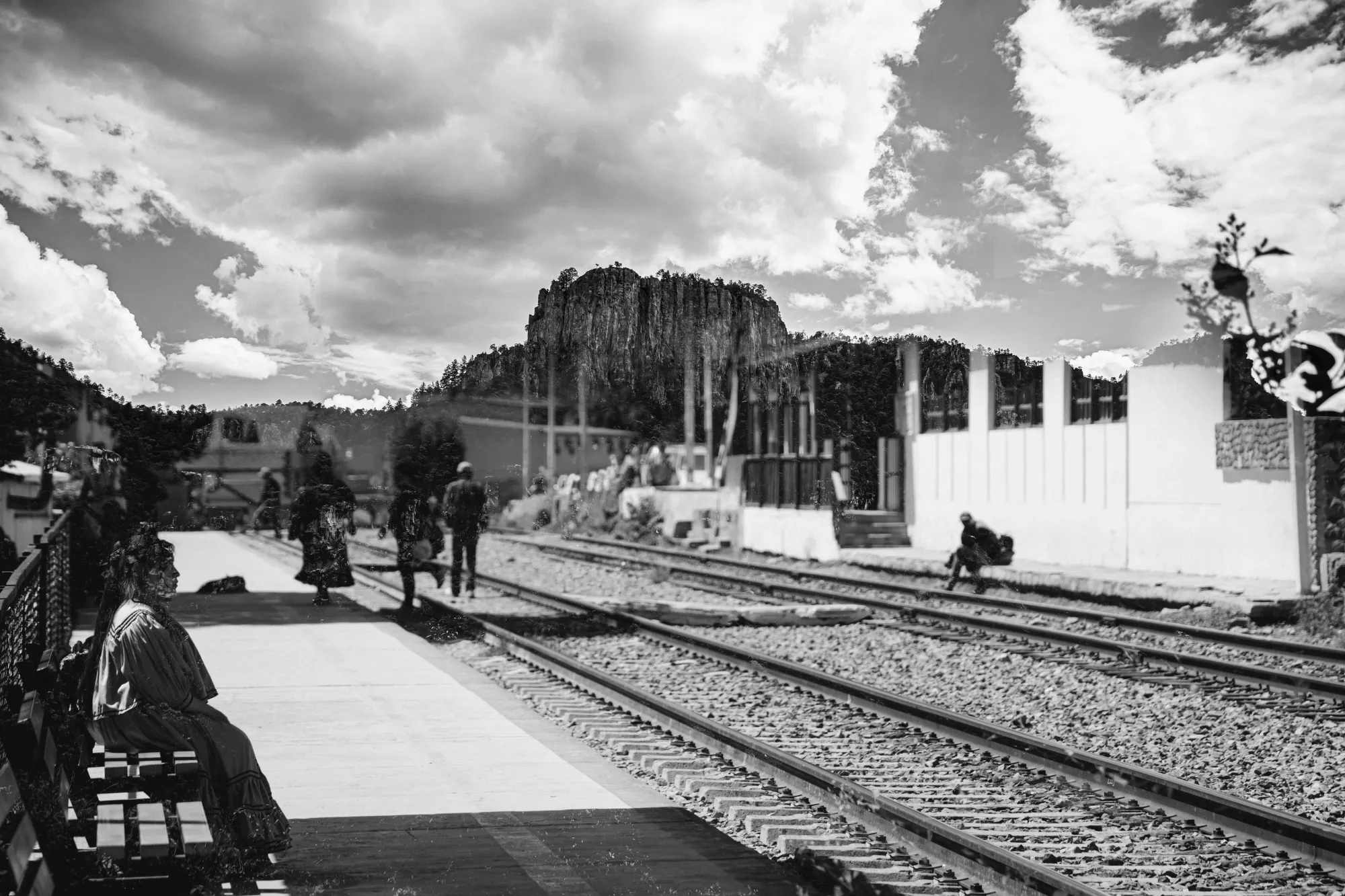
This series was created in Creel, in the municipality of Bocoyna, Chihuahua, located in one of the highest regions of the Sierra Madre Occidental, locally known as the Sierra Tarahumara. A territory recognized for its landscapes, its canyons and its vast natural scale, and also for the famous train El Chepe, which brings thousands of visitors to travel through the sierra every year. In these same spaces, tourists and the Rarámuri community coexist as part of everyday life. But beyond the landscape that many come to admire, there are also stories that are not always told with the same visibility.
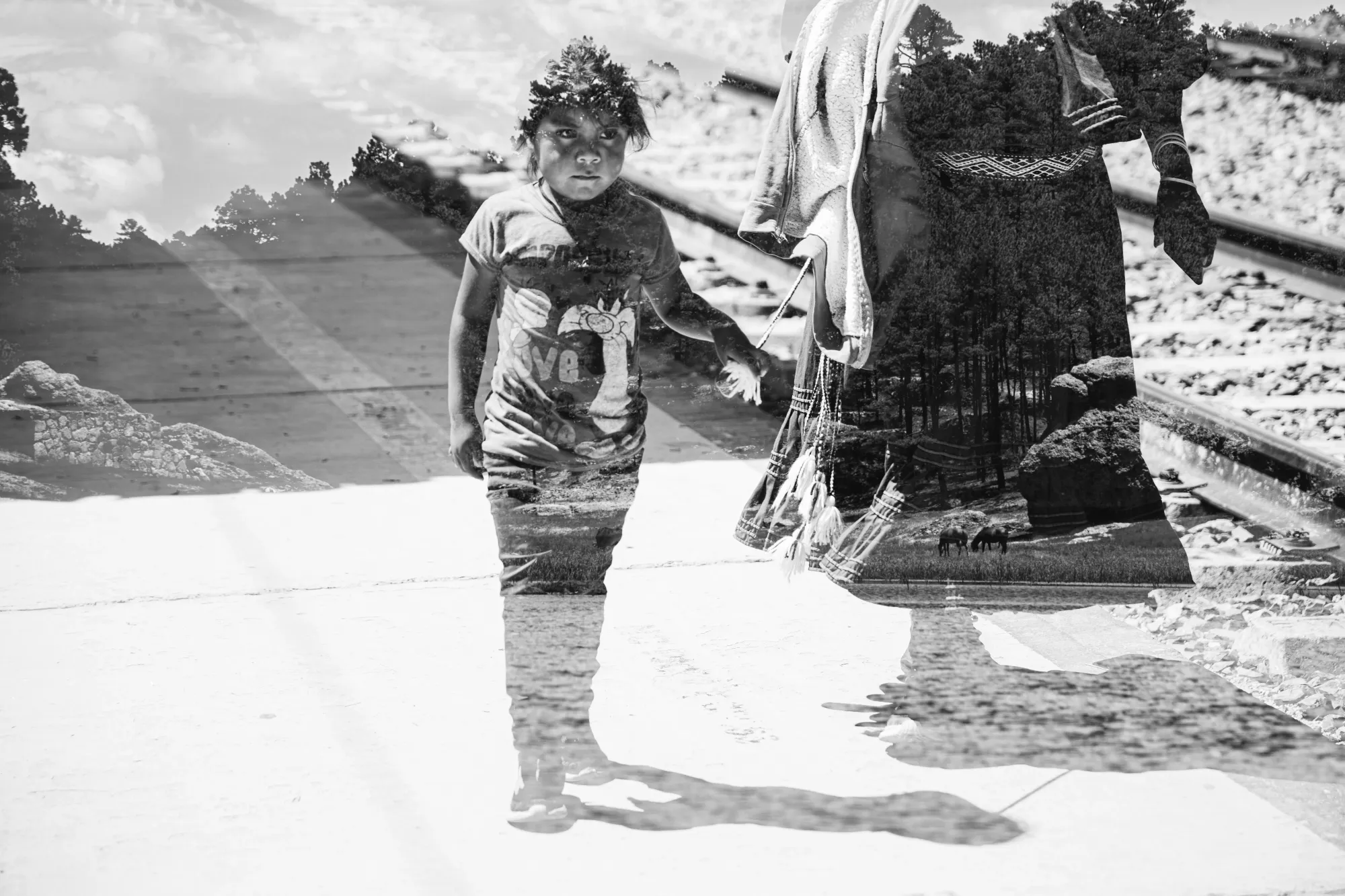
I chose to work these photographs using double exposure because I wanted to show something that feels essential to me: in all those spaces we admire in the sierra, they are there too. They are not only part of the landscape, they are a fundamental part of the territory. The roads, the mountains, the forests and the canyons also carry their stories.
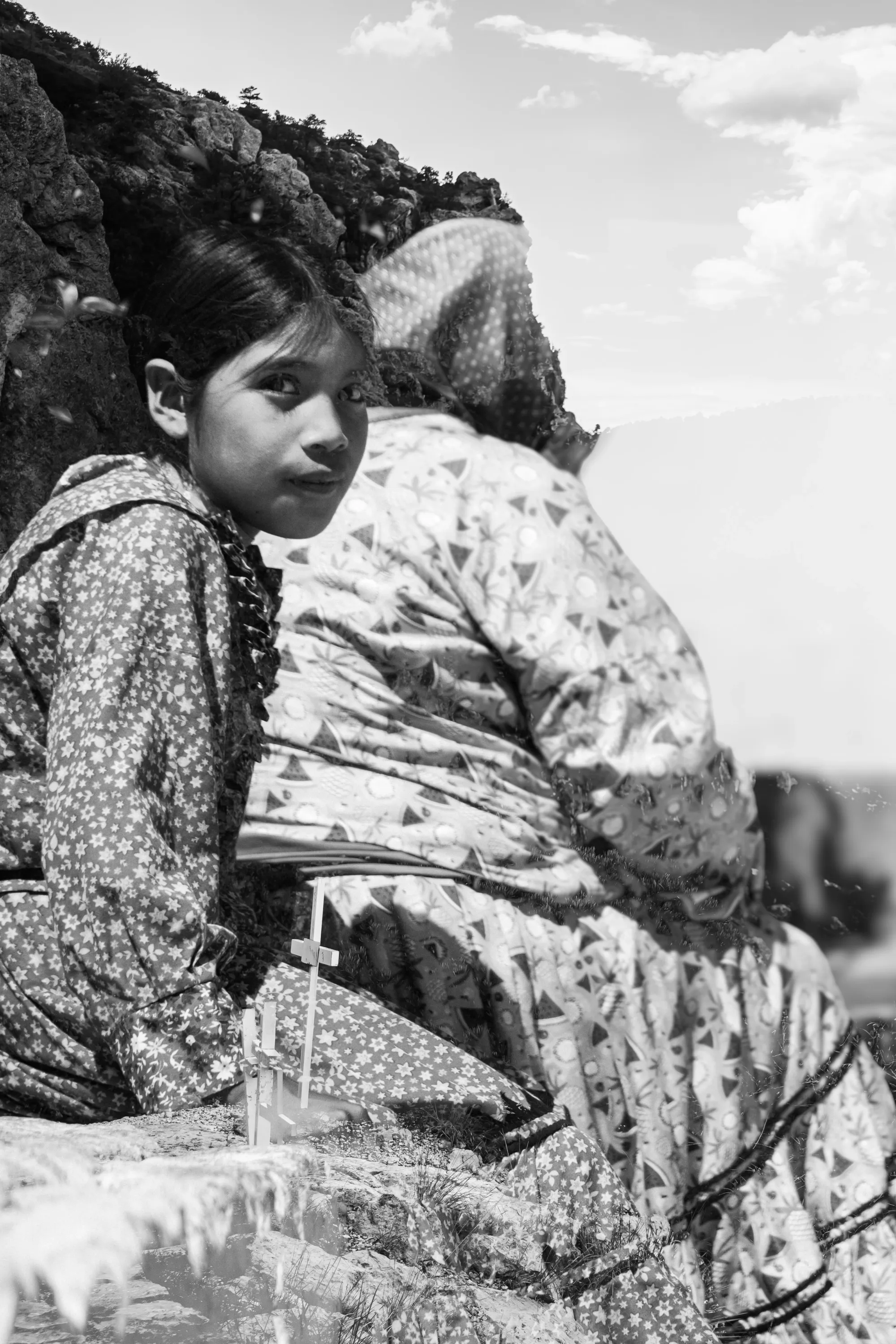
To me, Rarámuri women represent iwíra and newá, strength and heart. They represent resistance without spectacle and movement without noise. They are women who sustain family, community and culture. Women who migrate, who work, who adapt without losing who they are.
Women who walk long distances and who honor their ralámuli, their deep identity, even as the world around them continues to change.
With this series, I wanted to look toward them and recognize the strength of all the women who, day after day, sustain their families, their communities and their territories. Women who hold life together from places that often remain outside the center of the conversation.
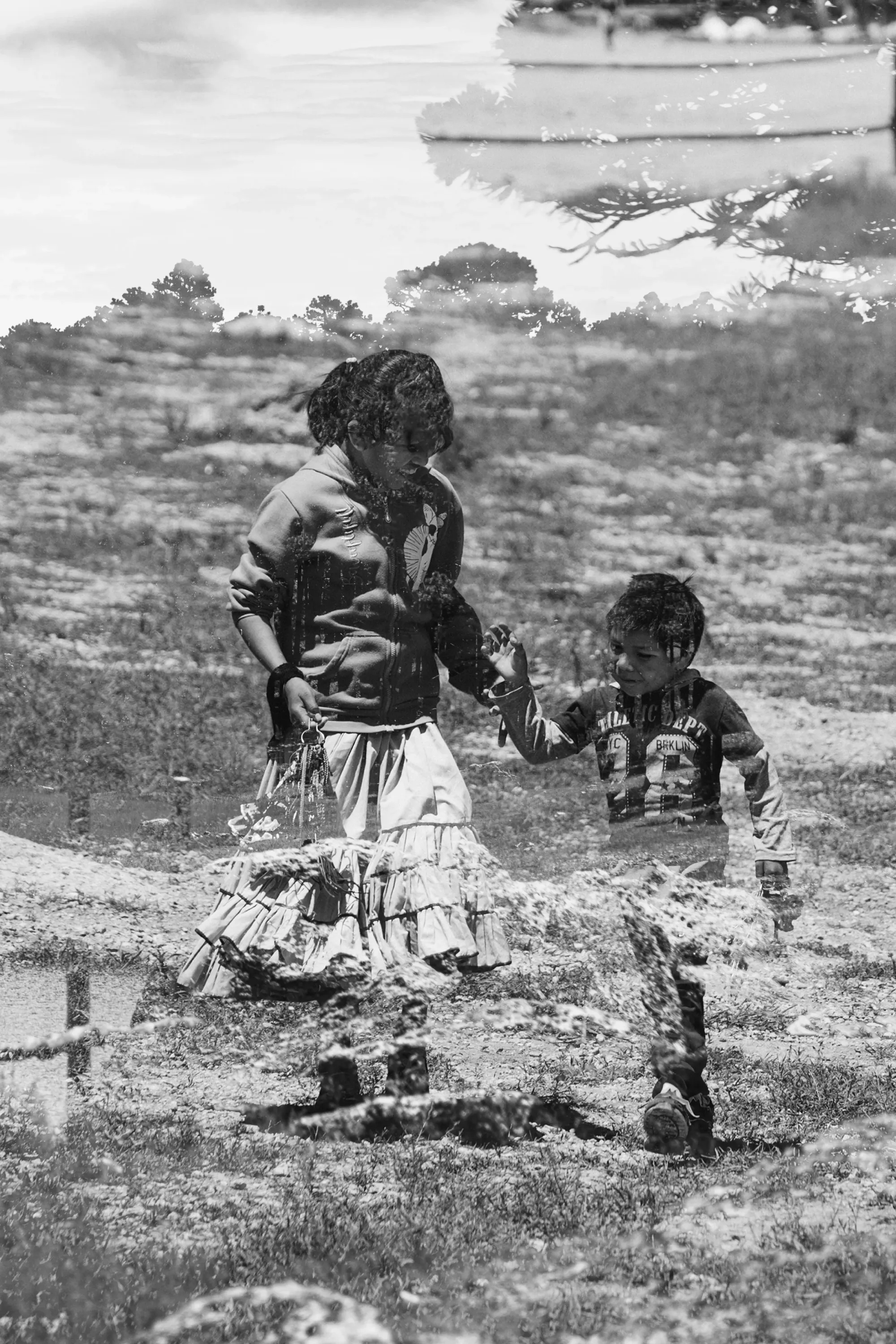
For me, making these stories visible is also part of this movement. Because every photograph, every text and every story we choose to tell can help us look more closely and recognize the strength that already exists.
As long as I have a camera in my hands, I will always use it to make the strength of women visible.