Behind the Archive #1: Irma Bejarle (EN)
Oct 19, 2026 · @AK
Behind the Archive
This blog started as my archive. A place to save what I see and try to make sense of it. Impressing anyone was never the plan. Over time, I realized something pretty obvious: there are a lot of people around me doing the same thing, each with their own archive, and we hardly ever sit down to talk about how we got here.
Behind the Archive is just that. A section where this blog stops being just mine and opens up to other people, photographers and visual artists, so they can share what goes on behind their work.
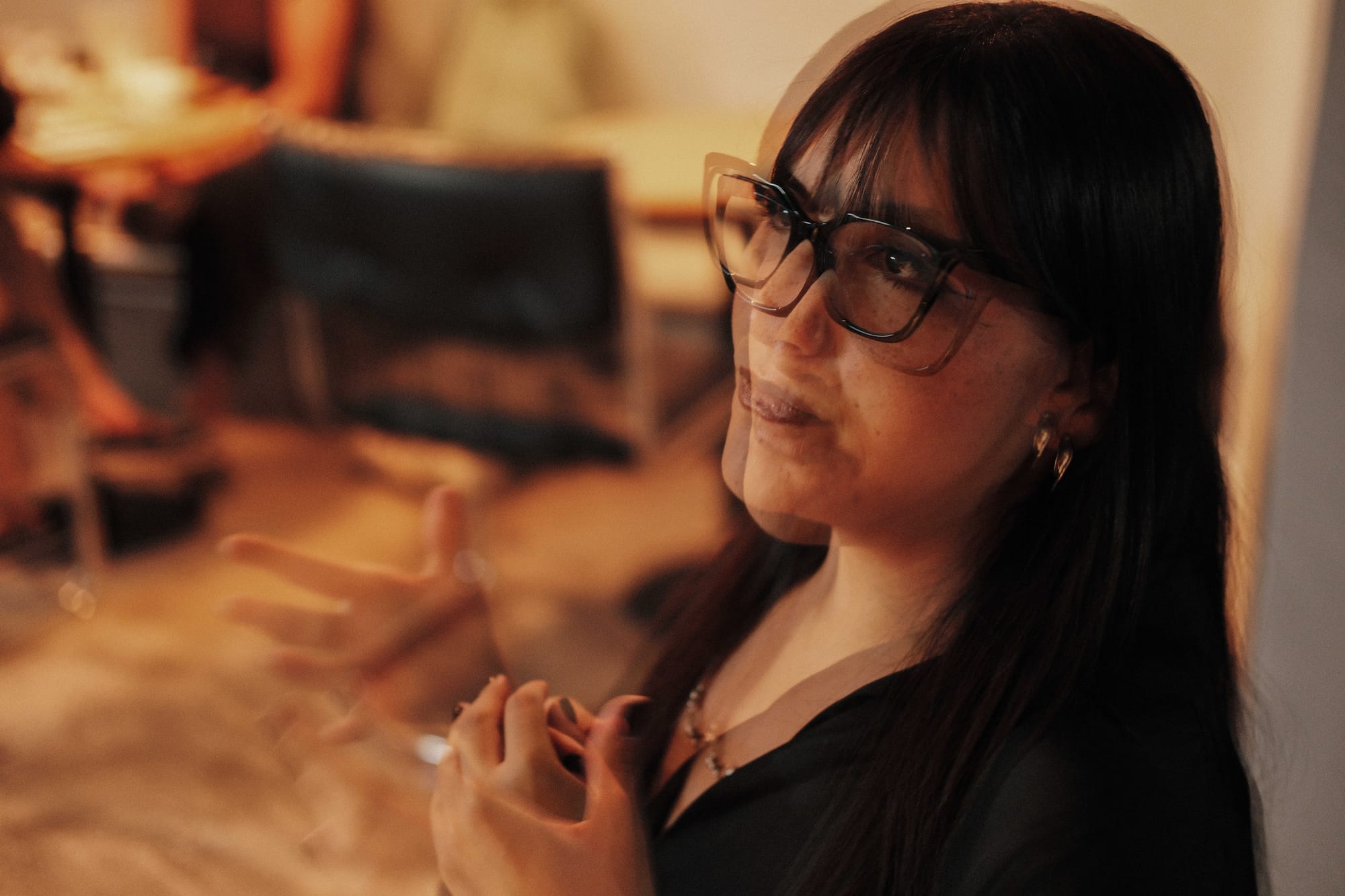
Here’s how it works: we meet in person and talk wherever the conversation takes us. A coffee shop, a studio, a park. No rush. I ask questions and they answer. Sometimes I hand over the whole blog and let them write directly. At some point during the afternoon, I take their portrait. That portrait becomes the cover image on Instagram, and the full conversation lives here.
The “behind” is whatever each person wants to share. A series, a single photograph, an entire project, or the journey that brought them to where they are today. I’m less interested in the final result and more interested in everything that came before it: the doubts, the setbacks, the obsessions, the things we rarely talk about. Community over competition.
For now, I’m starting close to home, with people from Tijuana and the surrounding area. Sharing a city means we can get past the introductions a little faster. We’ll see where it goes from here.
And every conversation ends the same way, with the same question: what’s your favorite photograph in your archive?
The first conversation was with Irma Bejarle. Almost everything we talked about came back to a word neither of us had planned on: vulnerability.
Behind the Archive #1: Irma Bejarle
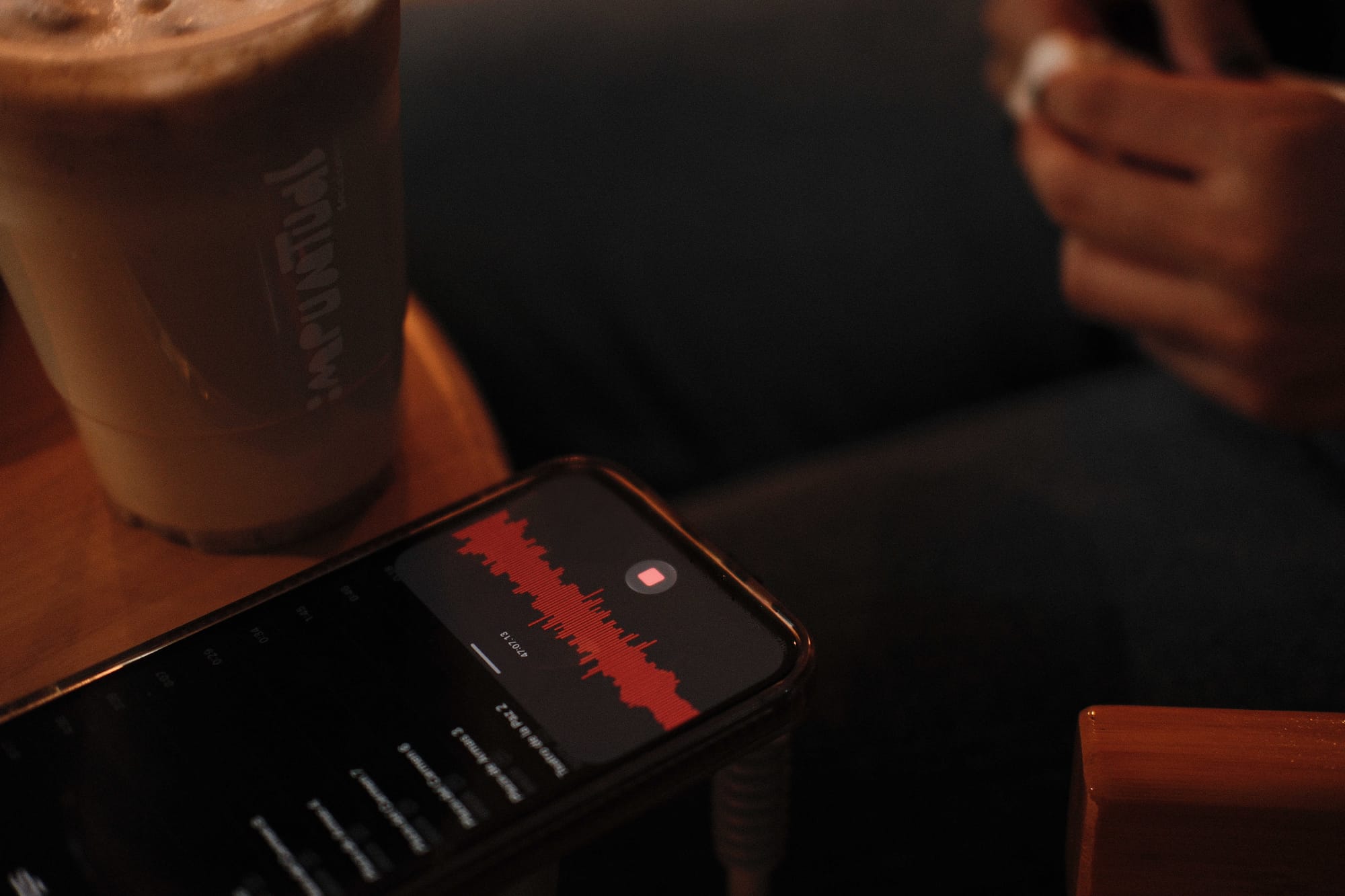
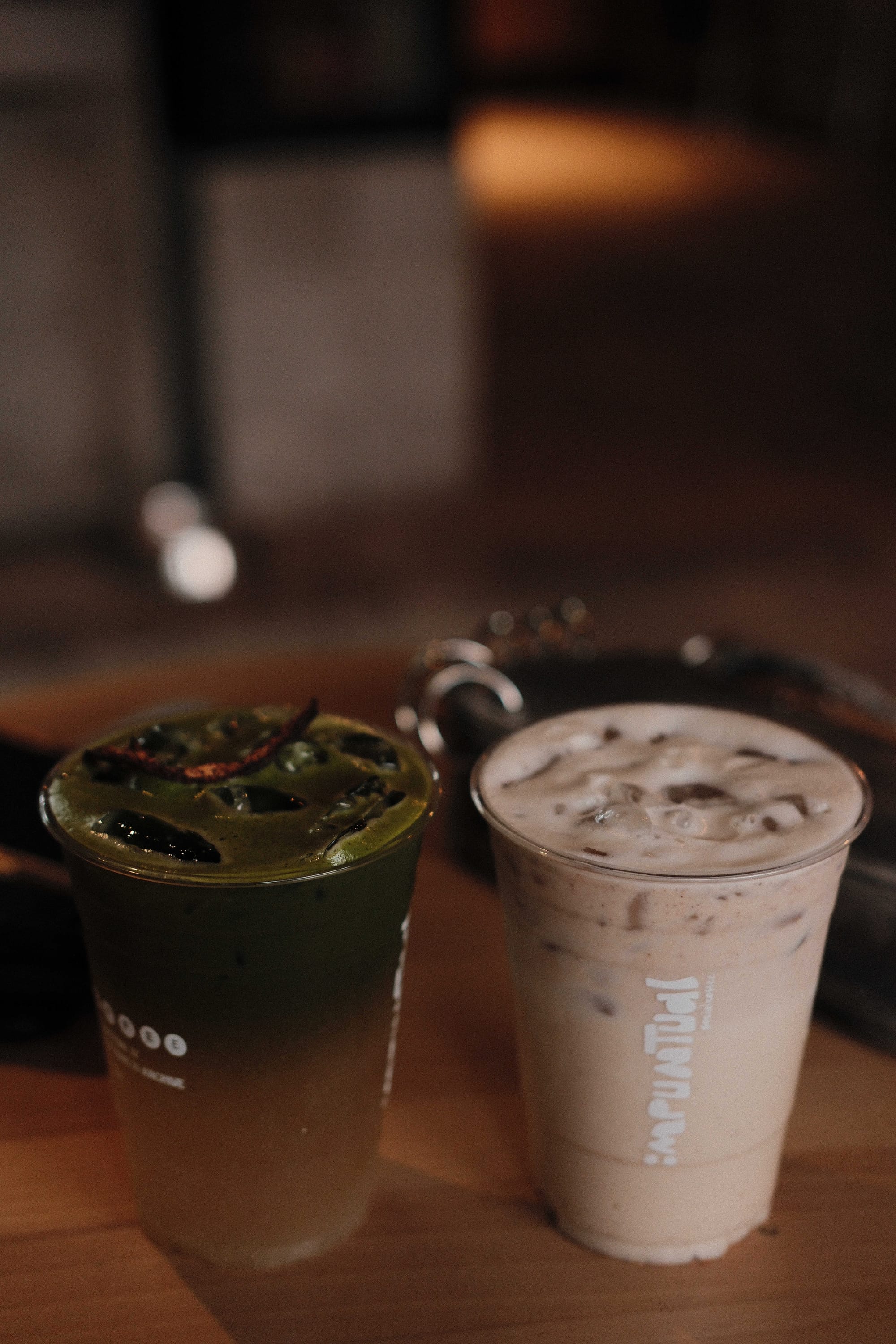
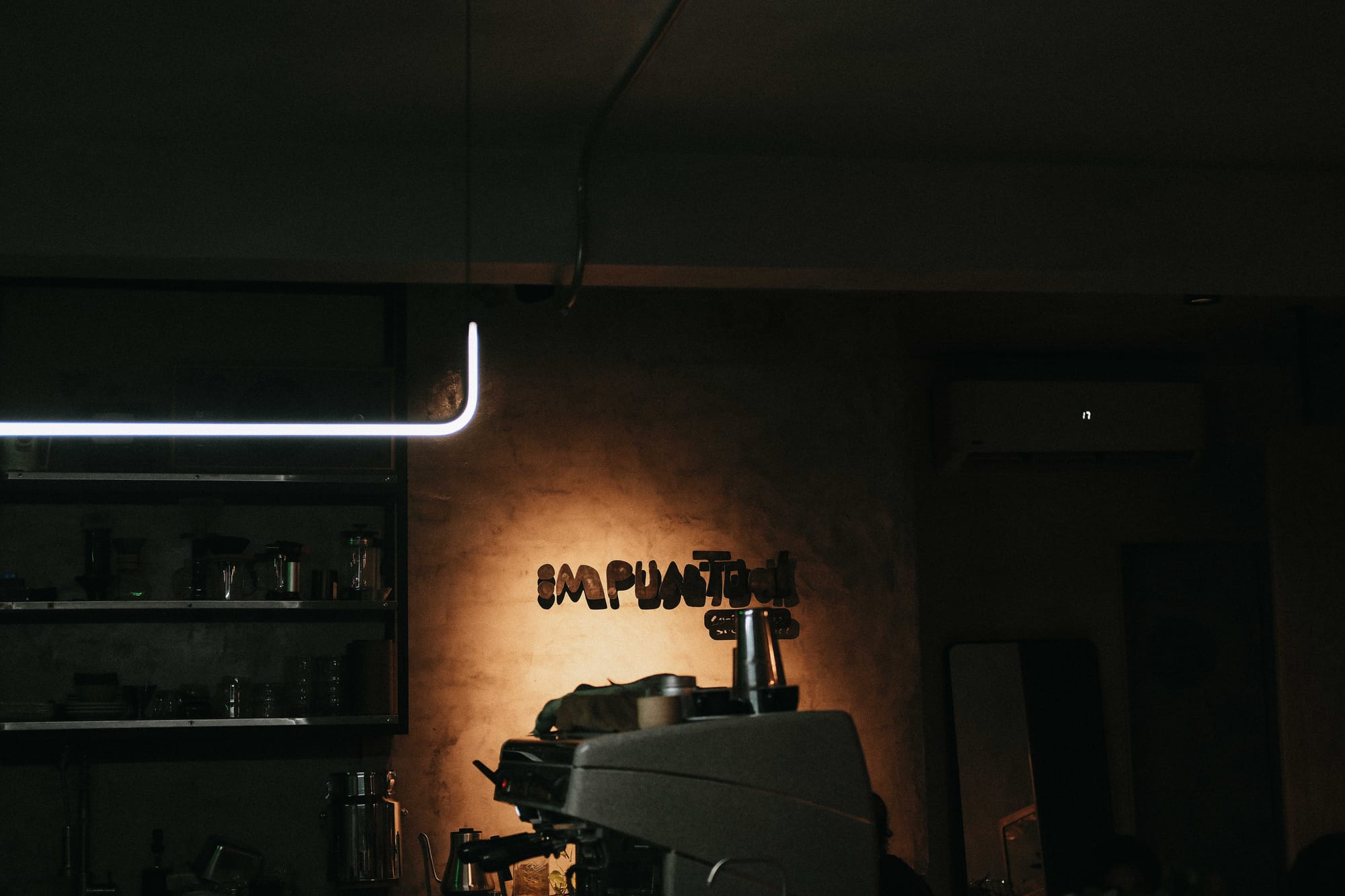
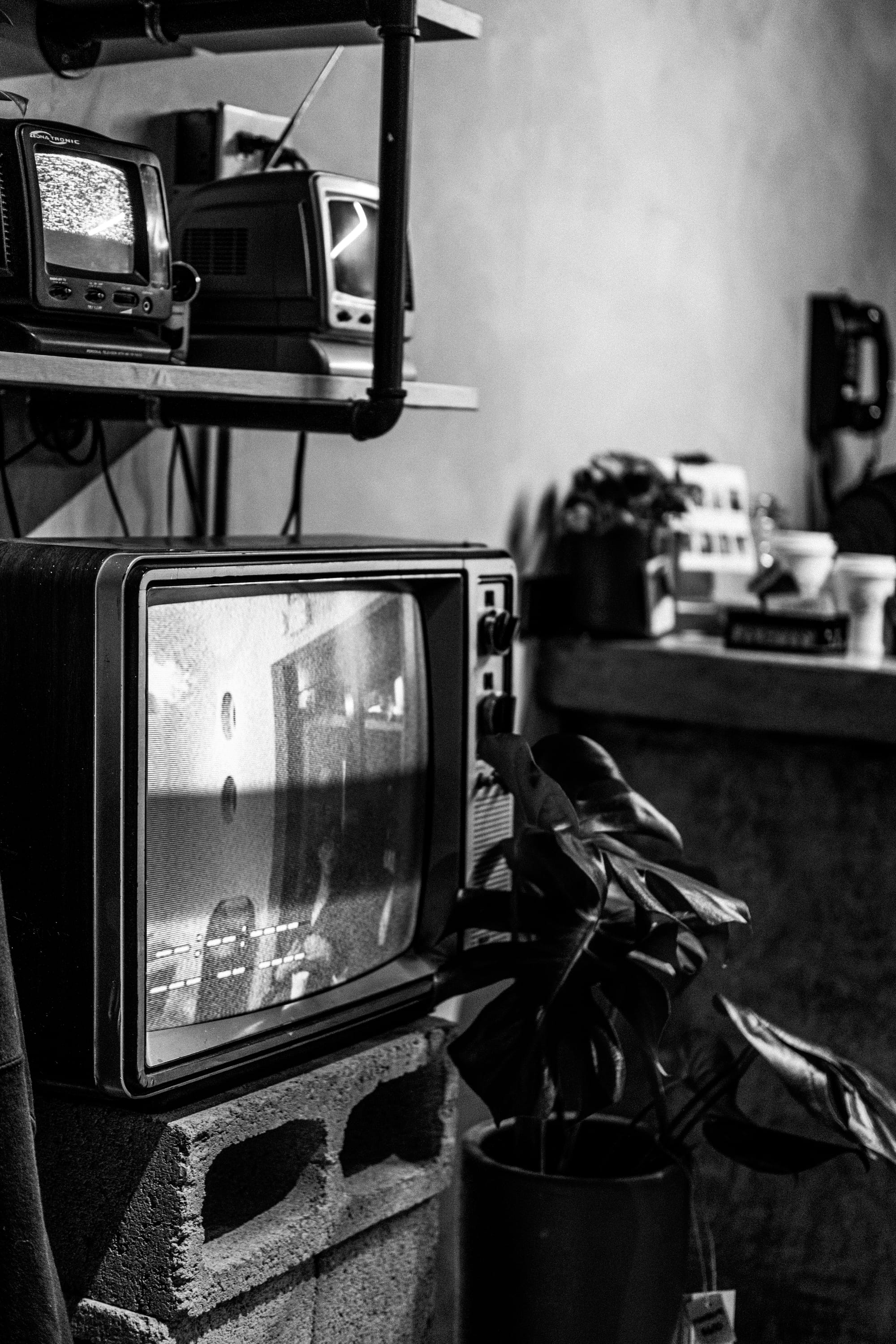
We met at Café Impuntual in Tijuana to talk about a project. We ended up talking for almost two and a half hours. In that time, we talked about sunburned skin, an Instax camera she received for Christmas, being shy in a field that expects you to stand beside your own exhibitions, family bonds, and an archive. We talked about the project, too, but we'll get to that.
Irma Bejarle is from Tijuana and studied Fine Arts at the Autonomous University of Baja California (UABC). Her thesis, Radiación. Un acercamiento a la fotografía UV (Radiation: An Approach to UV Photography), received an honorable mention in June 2020, right in the middle of the pandemic. Defending a thesis under those circumstances is a project in itself. After that came exhibitions at CECUT in 2021 and at Miércoles Visuales, organized by the ICBC, in 2022.
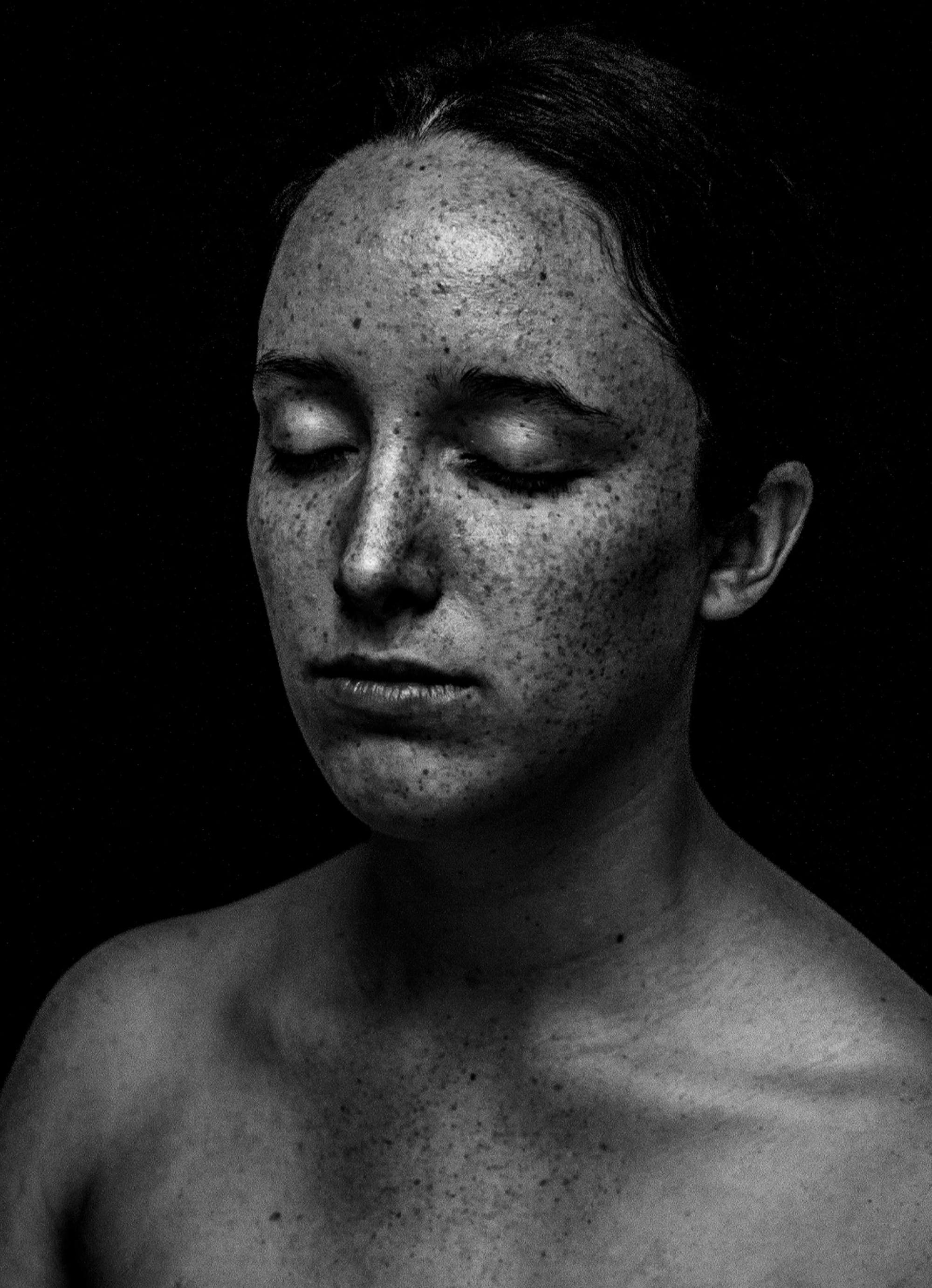
Radiación works like this: a full-spectrum camera, black light, a room in complete darkness, and someone willing to stay still inside it. The photographs reveal the damage the sun has left on the skin, things we can't see with the naked eye. Spots, freckles, areas that have accumulated years of sunlight. Irma uses this process to talk about something much bigger than any one person: global warming.
I came with questions, or rather, with a desire to listen. What follows is what came out of that conversation, pauses and detours included, because that's how conversations go.
The conversation
Before Radiación, where were you in your artistic practice?
Self-portraiture. Self-exploration. I was really excited about experimenting with that, and photography also helped me realize something. As I started discovering things, I became more certain that the body was what interested me.
Then it became about figuring out how to contextualize the body. Moving it beyond self-portraiture and self-exploration and placing it within the context of its surroundings.
Where did the idea for Radiación come from?
My thinking was, why aren't we more concerned about the fact that this heat keeps getting more intense? That was during my last semester of college.
(This is worth pausing on for a moment. An art student in Tijuana, a city where the sun doesn't ask permission, decides that skin can serve as evidence. And to show it, she had to learn how to photograph what the eye can't see.)
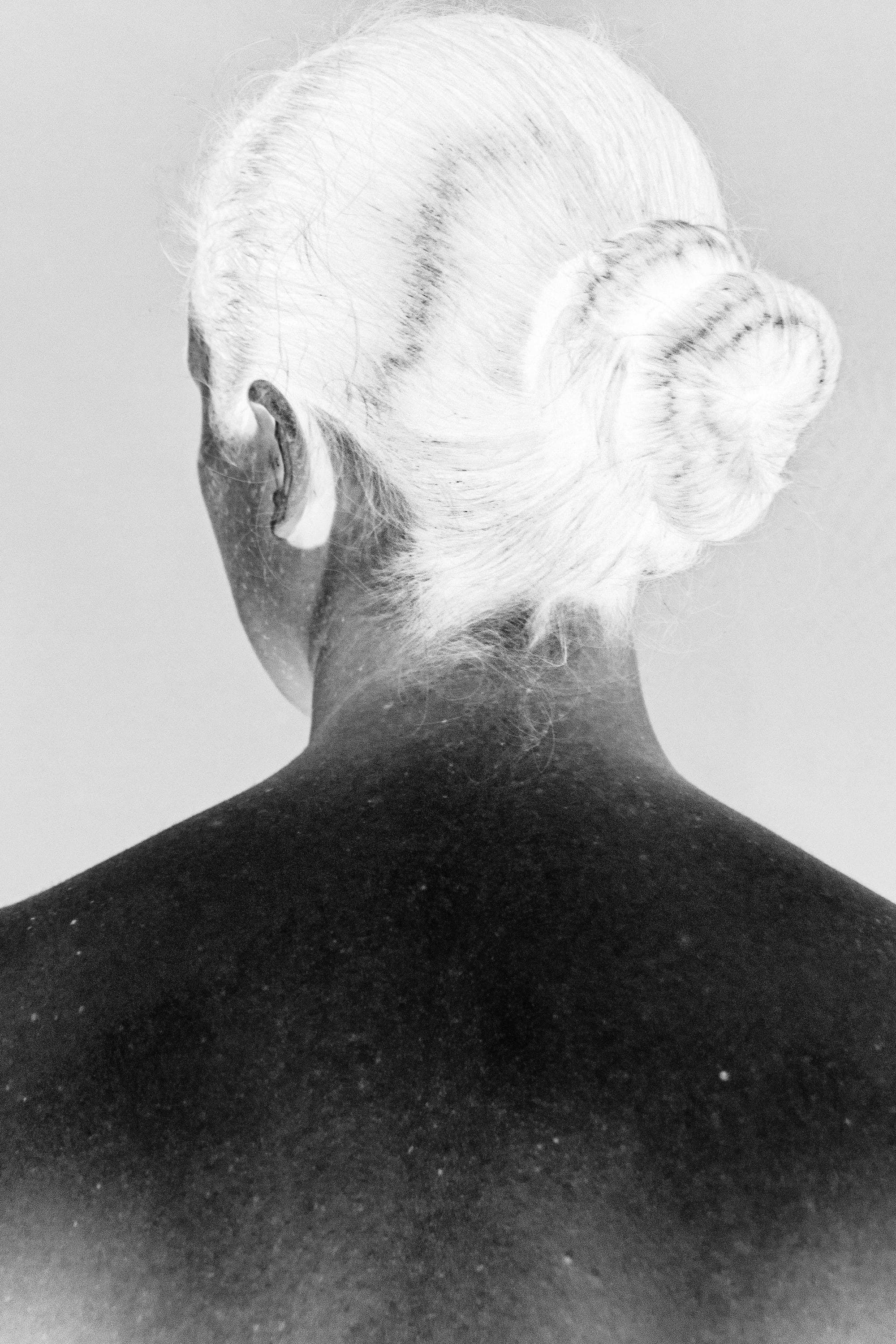
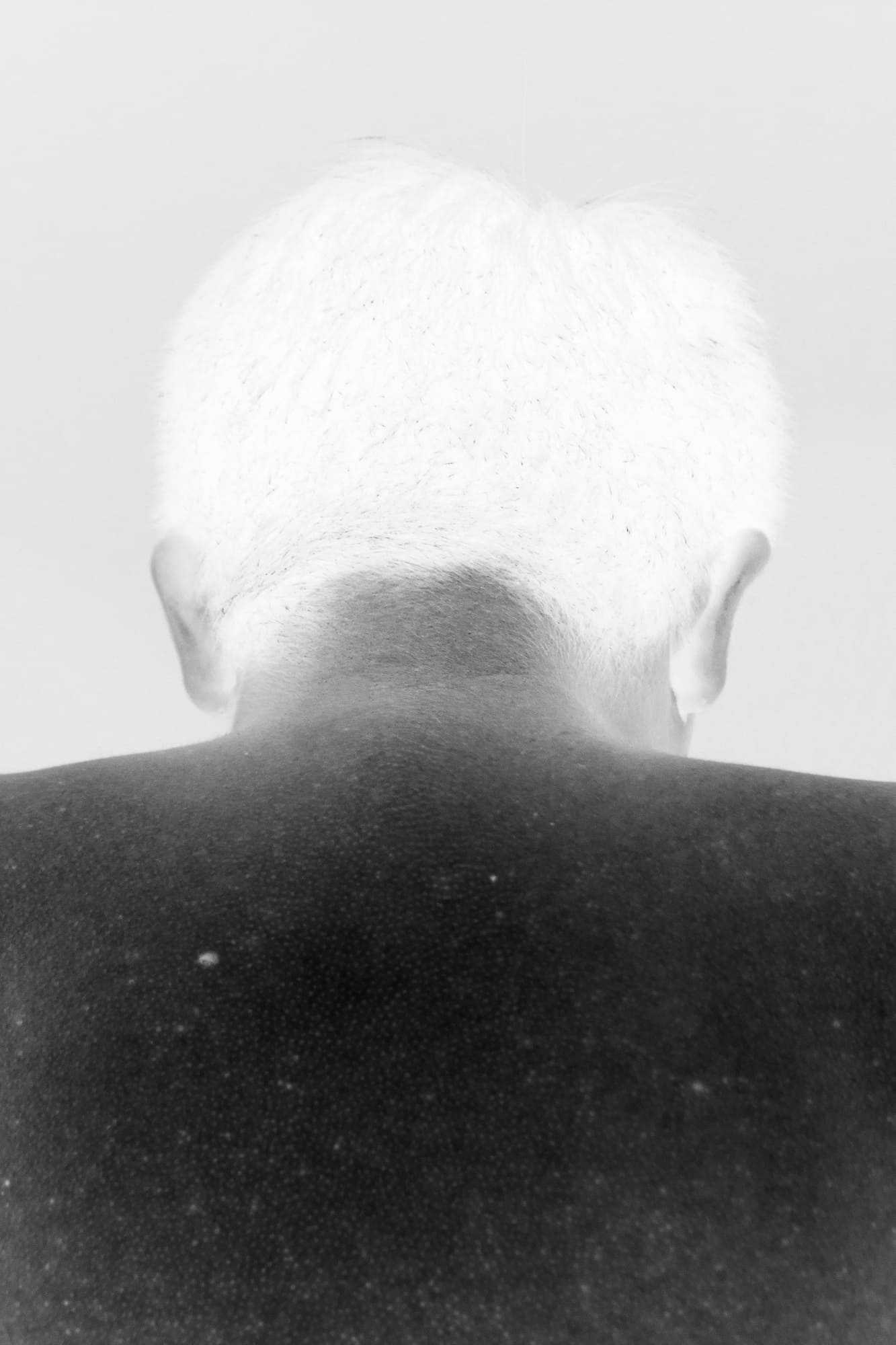
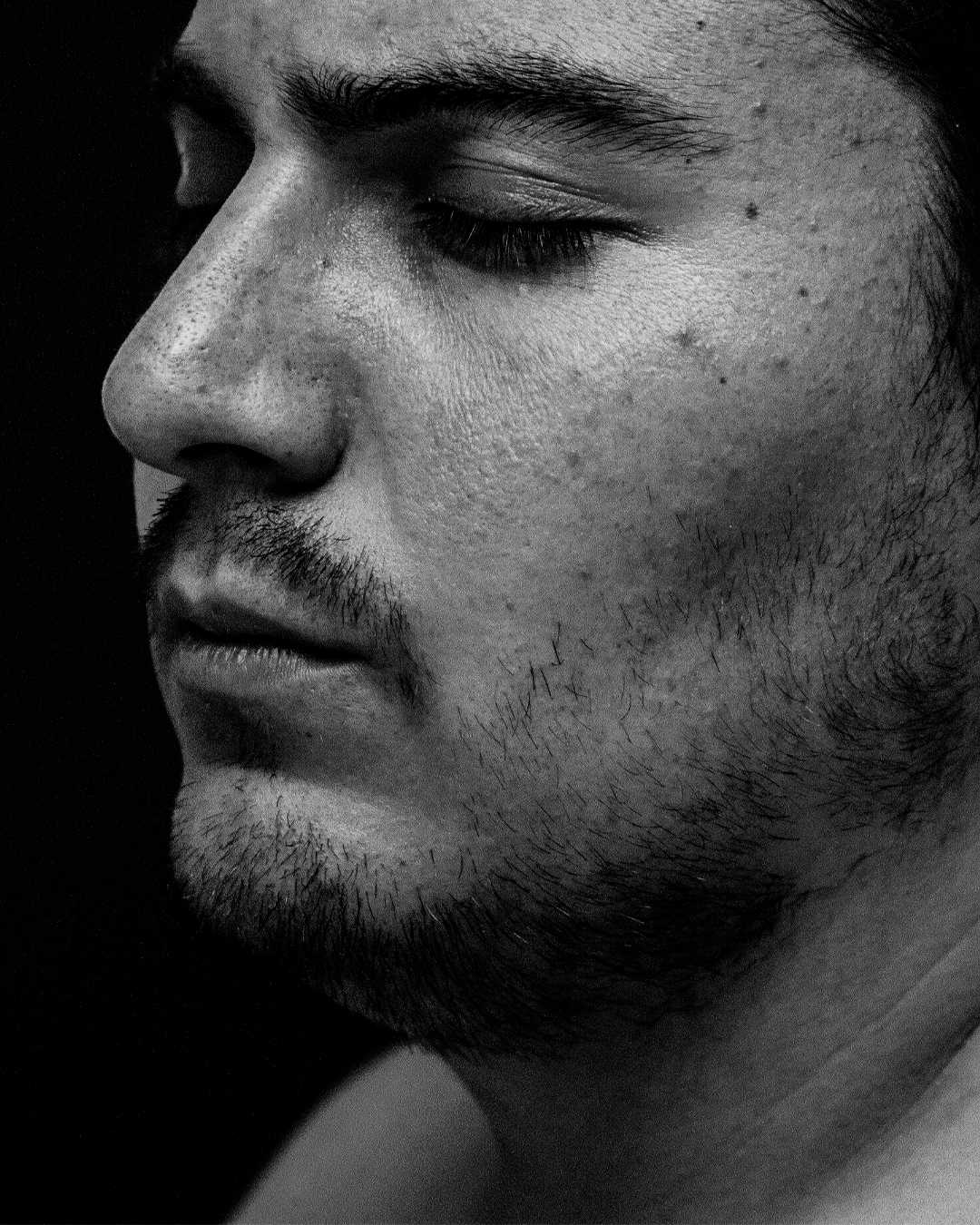
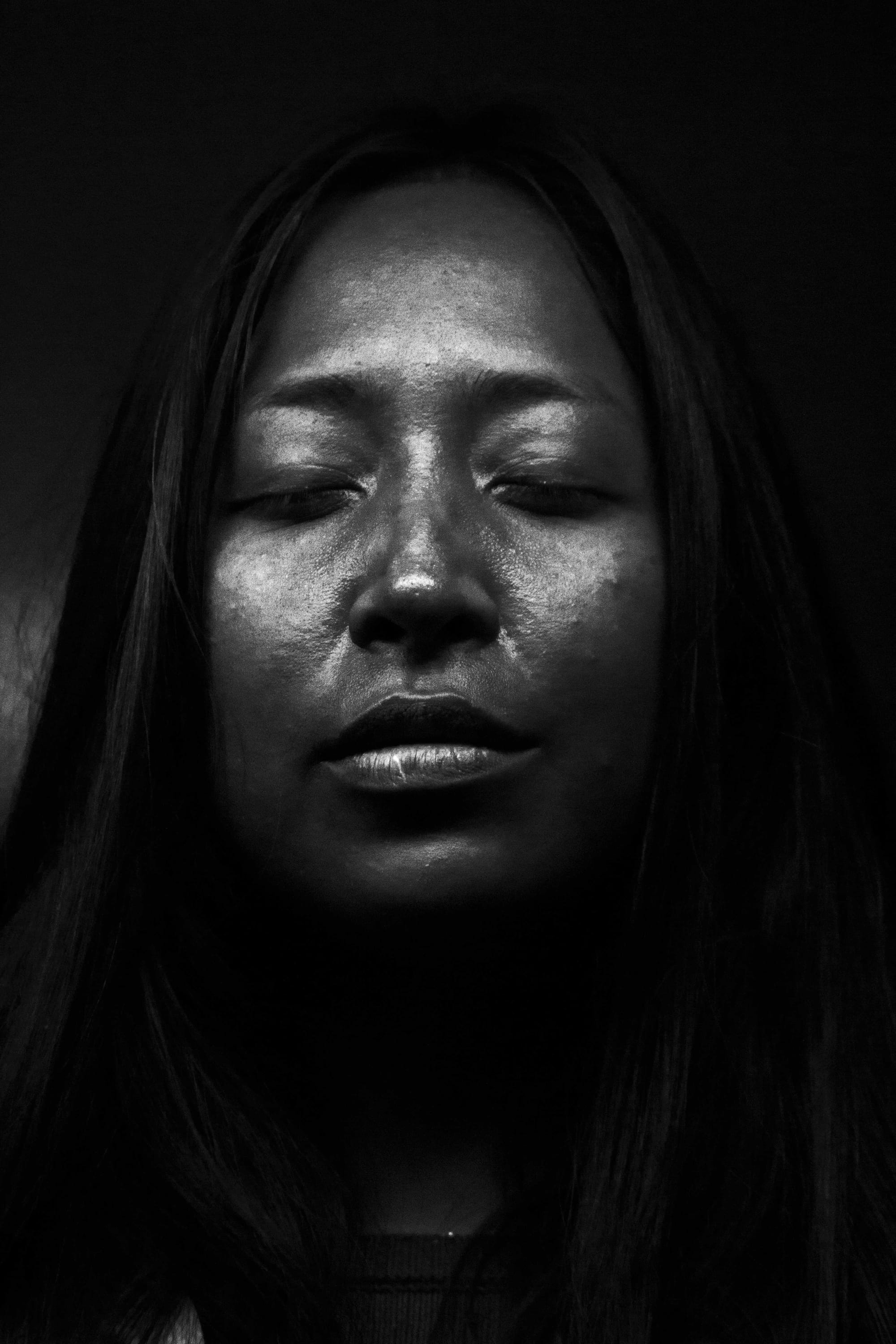
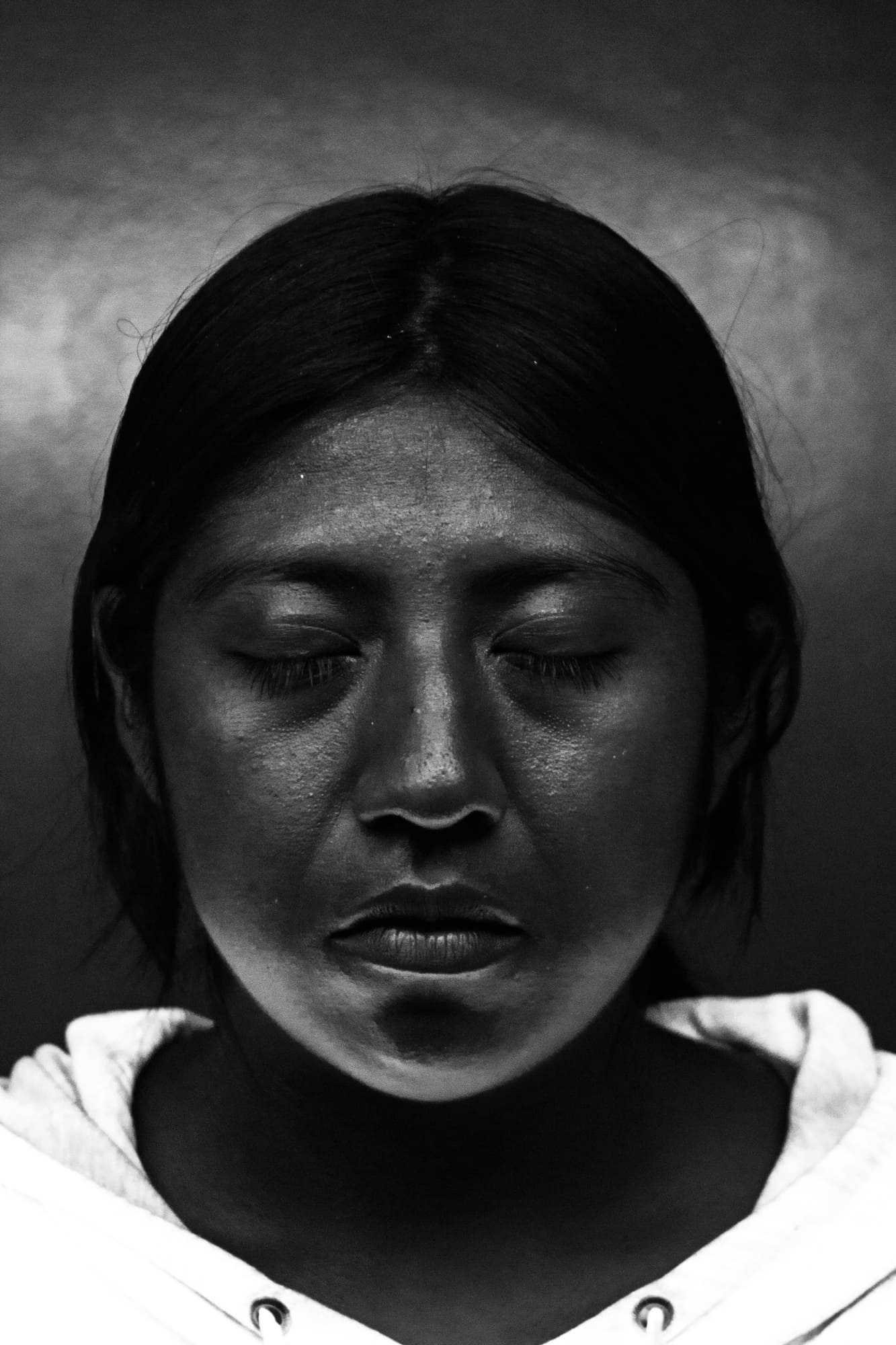
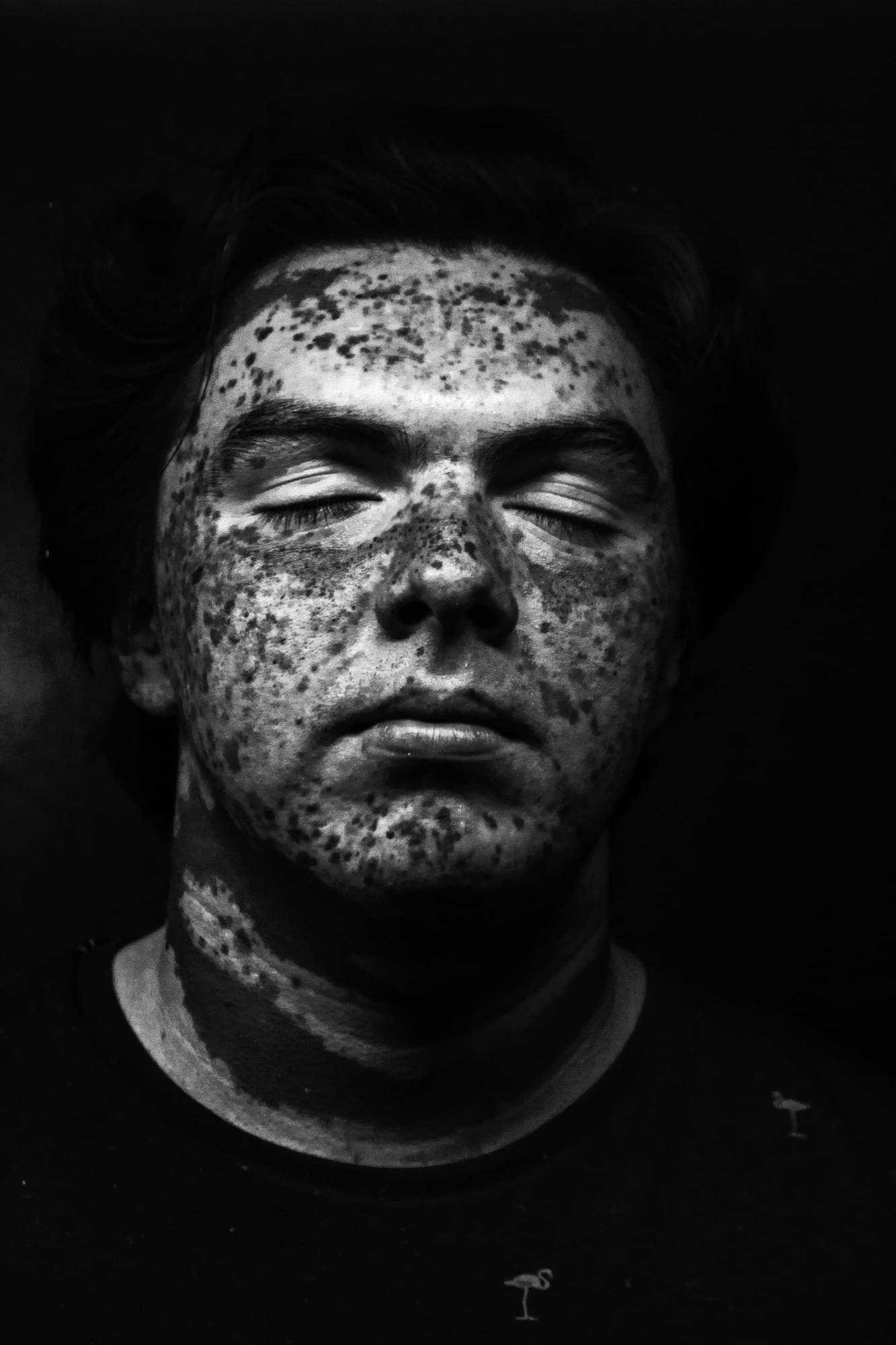
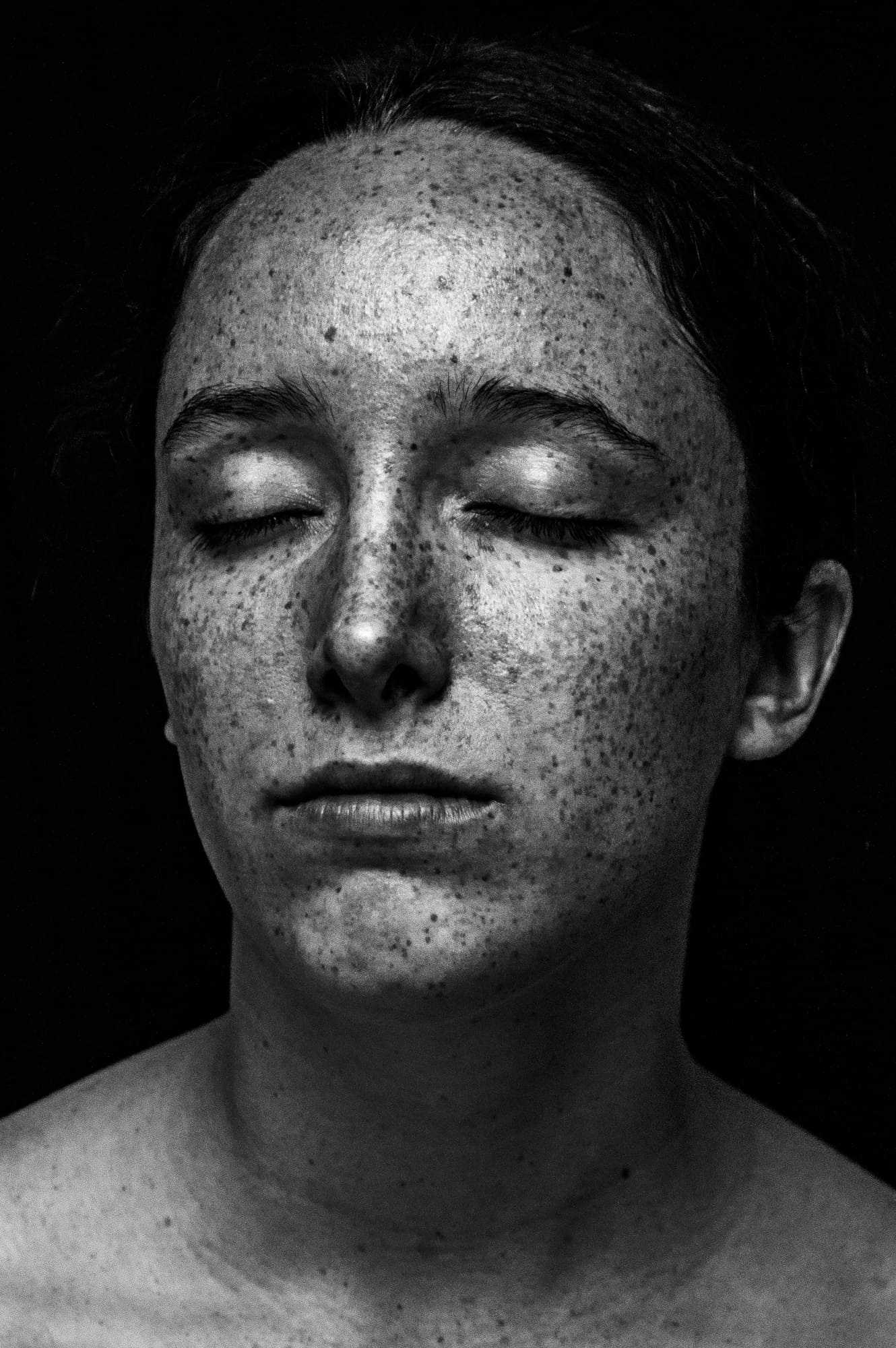
You come from a fine arts background. How does that work alongside photography?
That's my fine arts side. For me, photography is part of the work. It's one part of it, because there's this piece of my practice that does end up as a finished image.
Photography lets me get close and capture details of the body with a level of precision I couldn't achieve with just any other technique. The photograph is the first step, and from there I like to experiment across different disciplines.
What was it like to show the work? Why was it important to share it?
There's something called impostor syndrome, and I experienced it during the time when I was inactive. I started working, began my master's degree, and then my grandmother got sick in 2023. My artistic practice was the part of my life I had to put on hold while I tried to balance everything else.
Even so, I never stopped taking photographs. One Christmas, someone gave me a Fujifilm Instax camera, and it became a quick way to deal with what I was going through when I didn't have time to continue working the way I usually did. In a way, it gave me an instant way to keep creating, just like the camera itself.
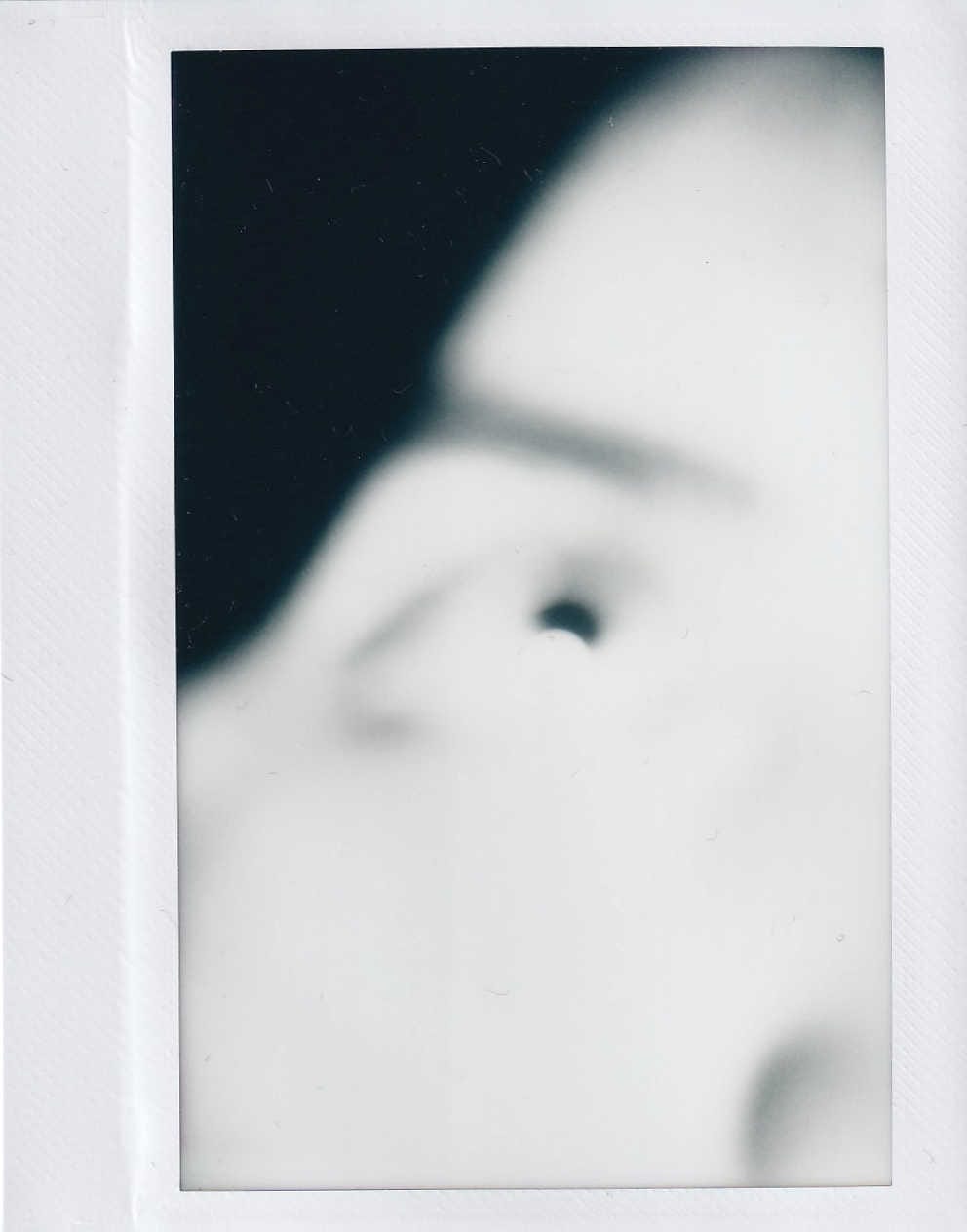
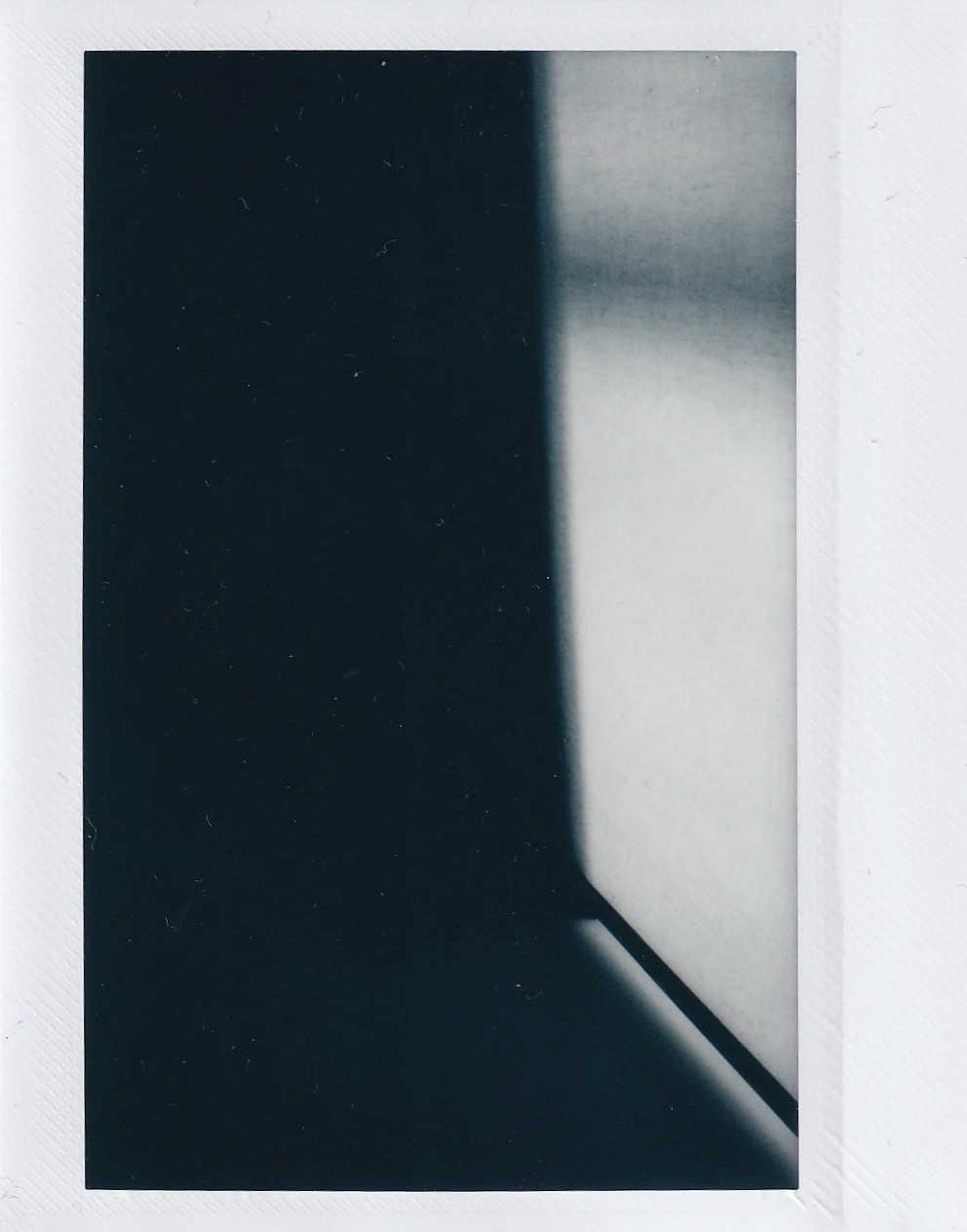
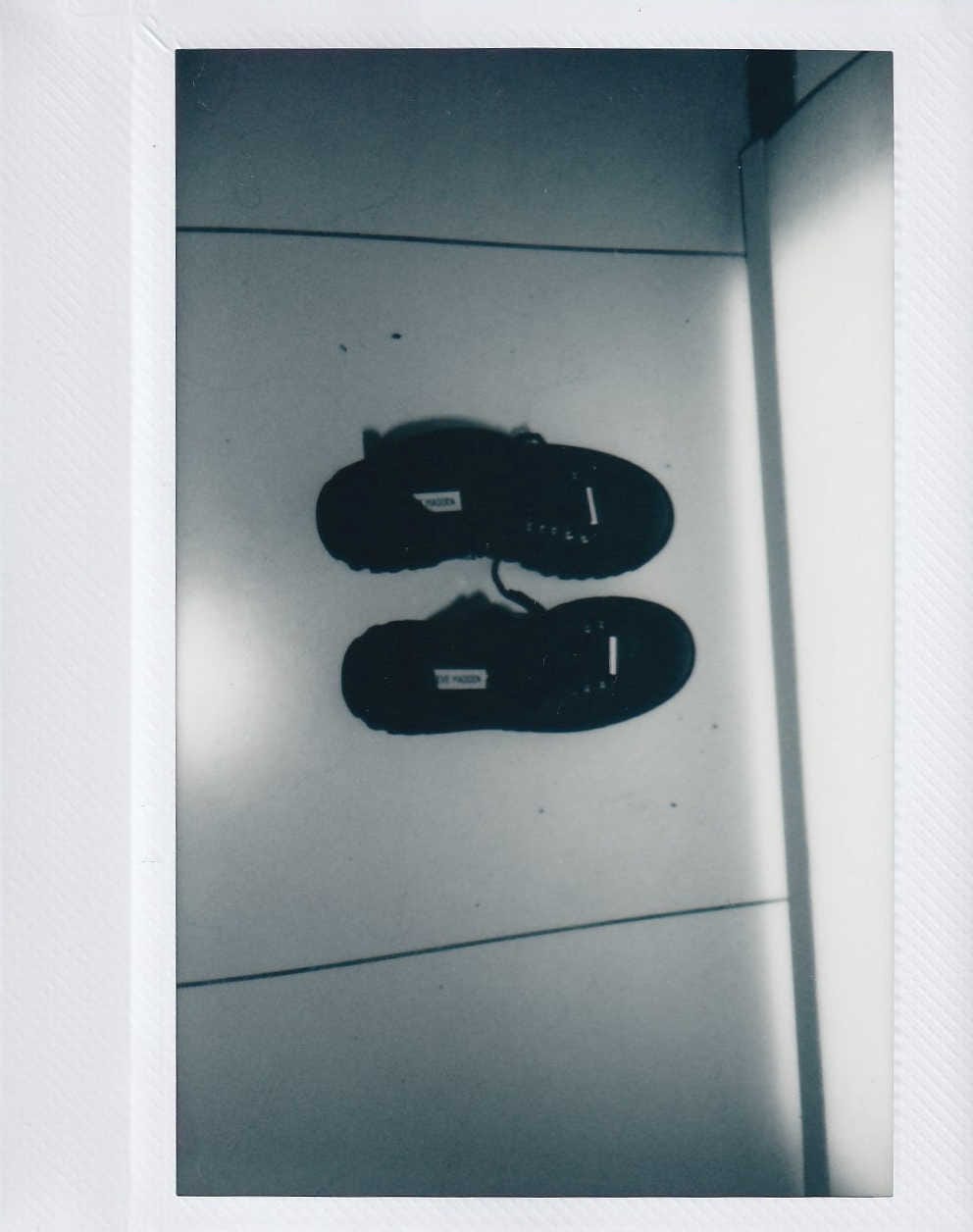
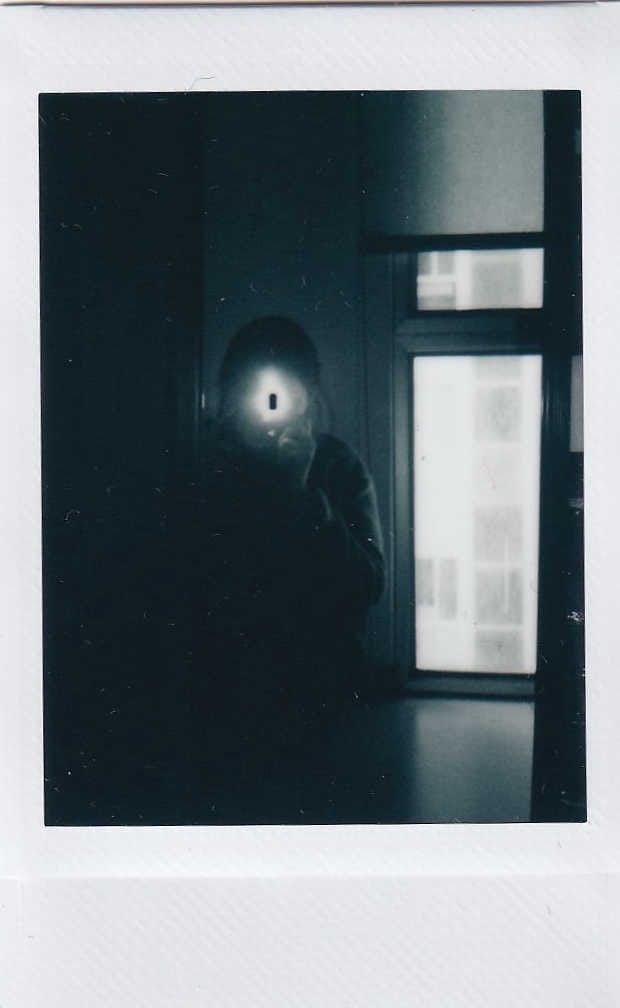
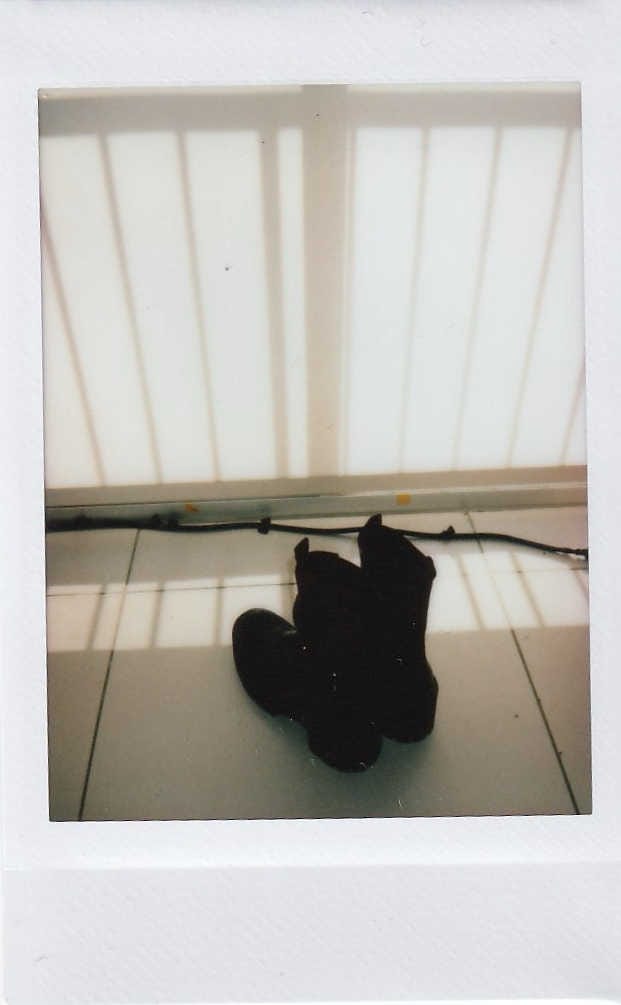
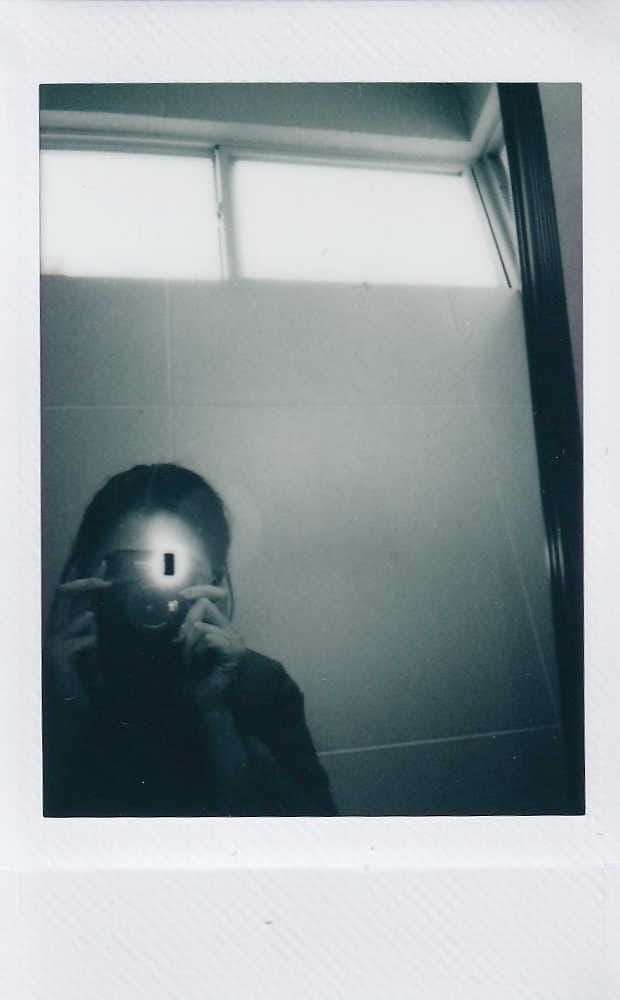
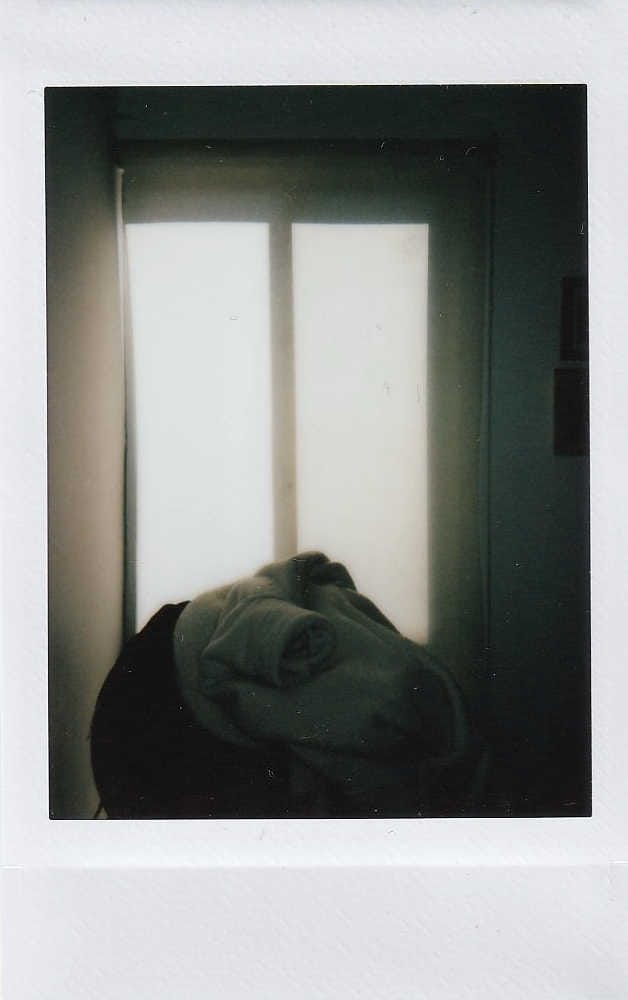
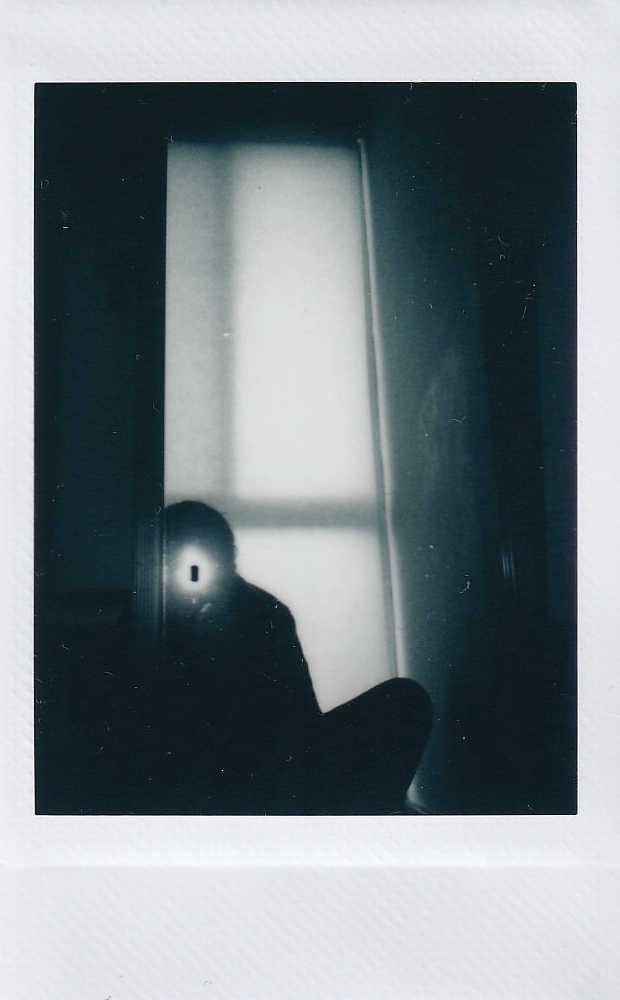
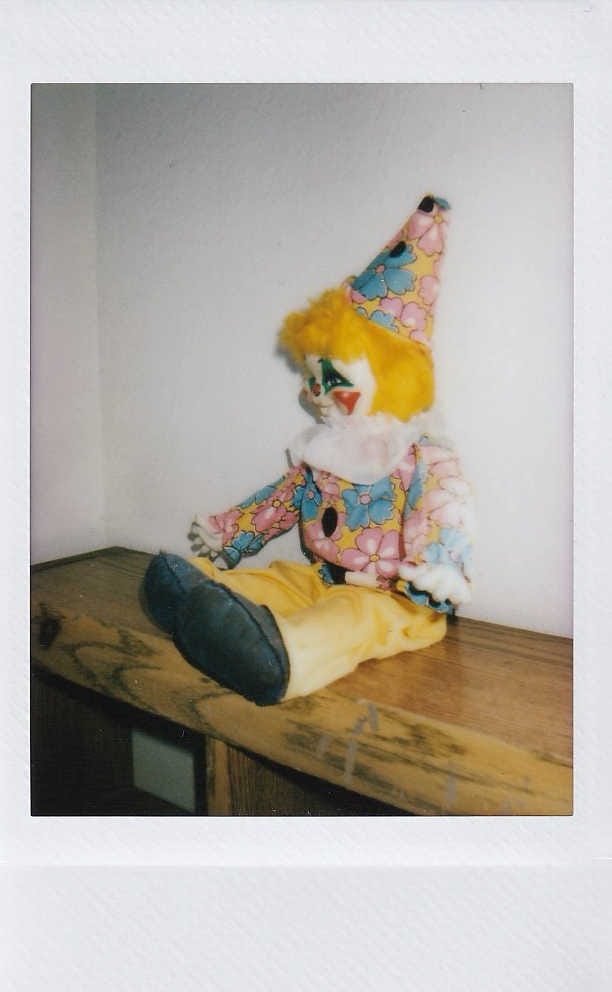
(I love this. The way out of a creative block arrived wrapped in gift paper.)
That was one part of it. On the other hand, I started gathering all the material that had been accumulating around those illnesses and hospital stays. It kept building up until I made a New Year's resolution: no matter what, 2026 would be the year I got my artistic practice going again.
Radiación is still on hold because I feel it's important right now to explore a more vulnerable part of myself and work through the pain I've experienced during such a difficult period by working with my medical archive.
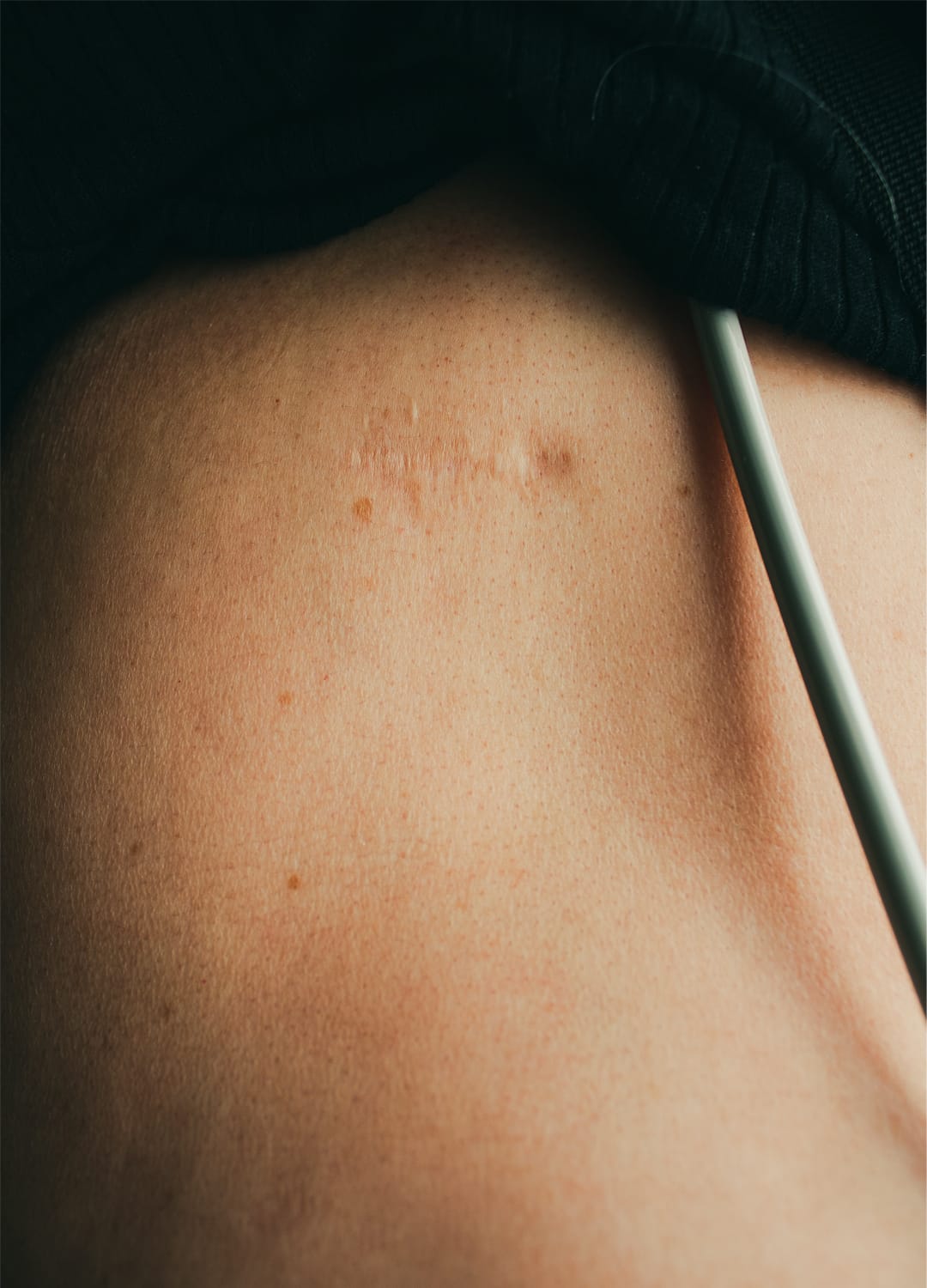
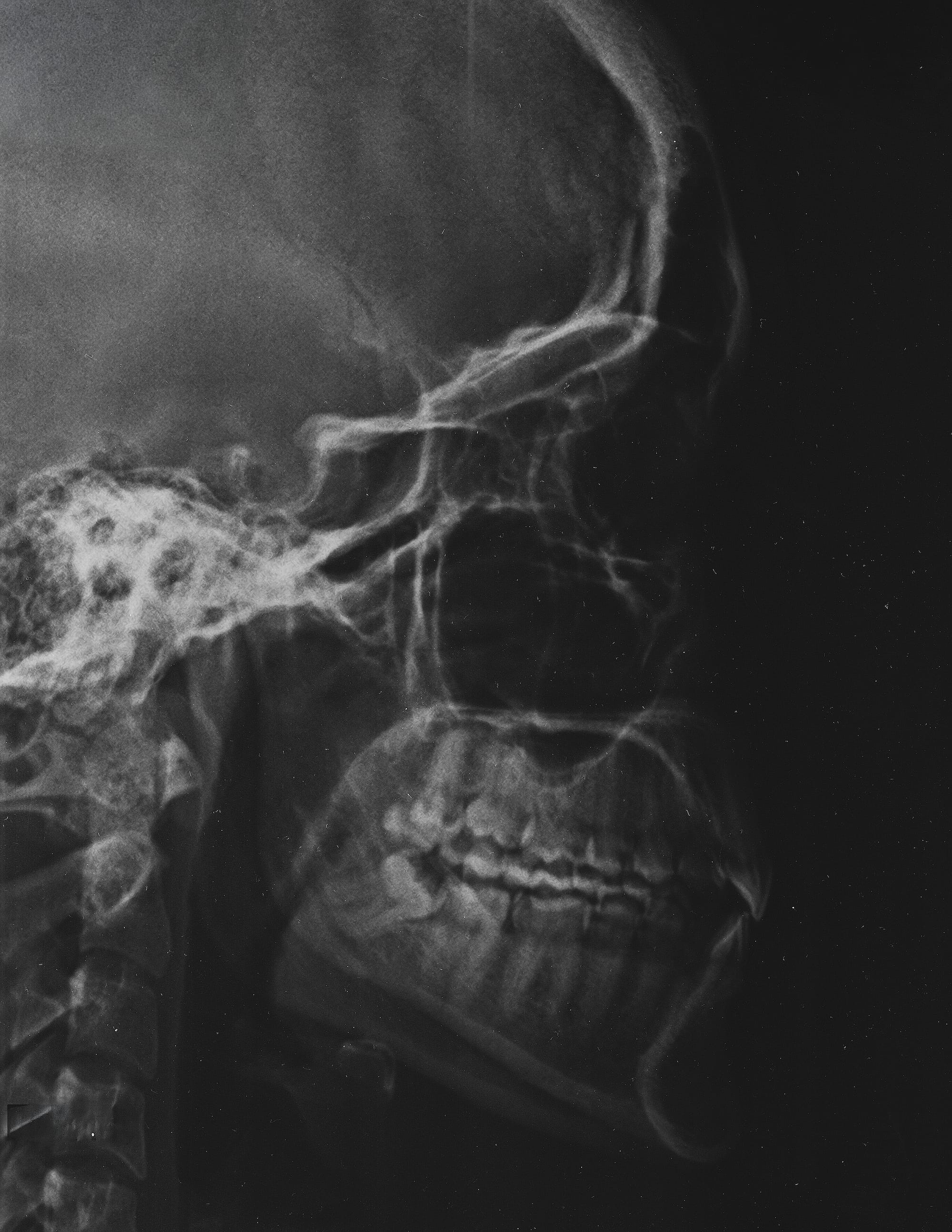
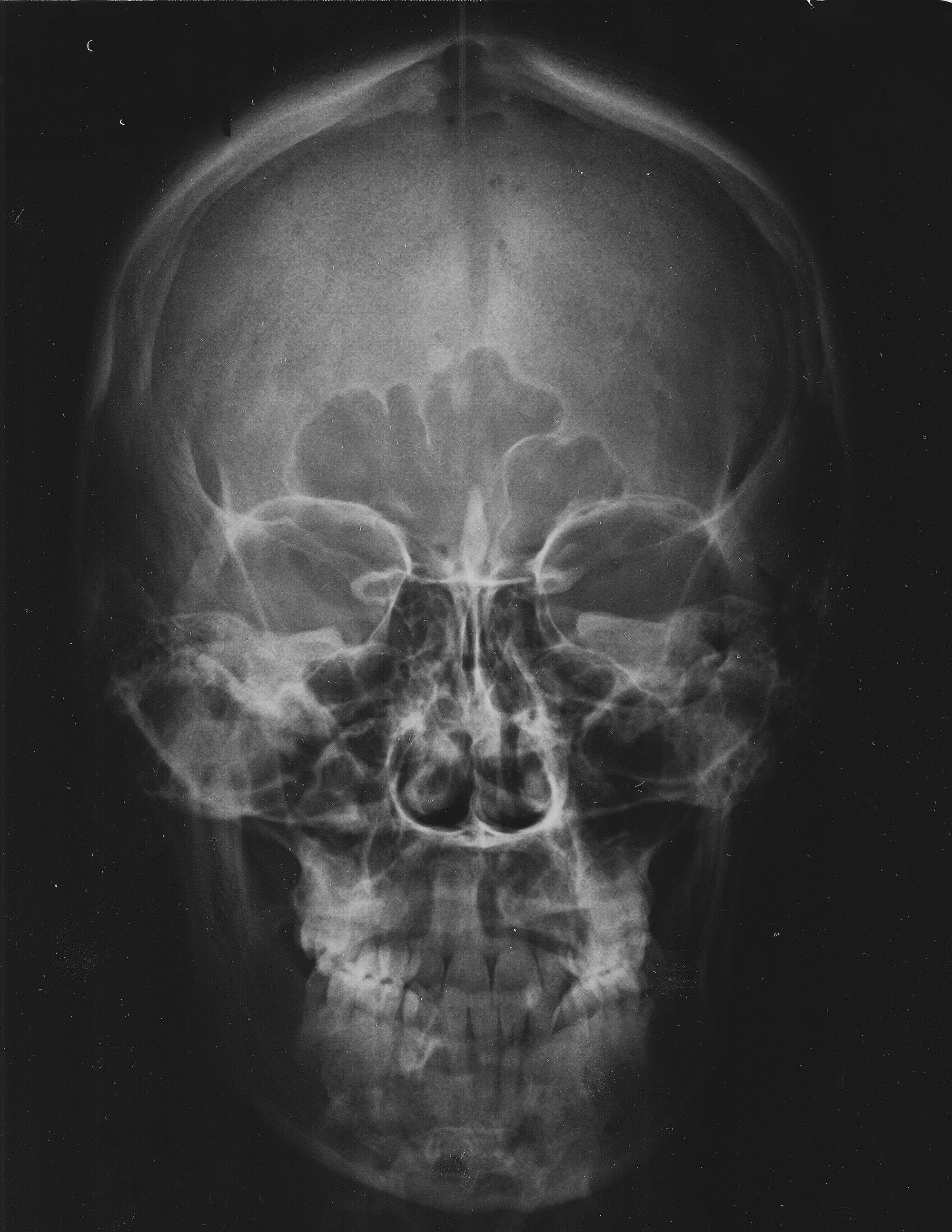
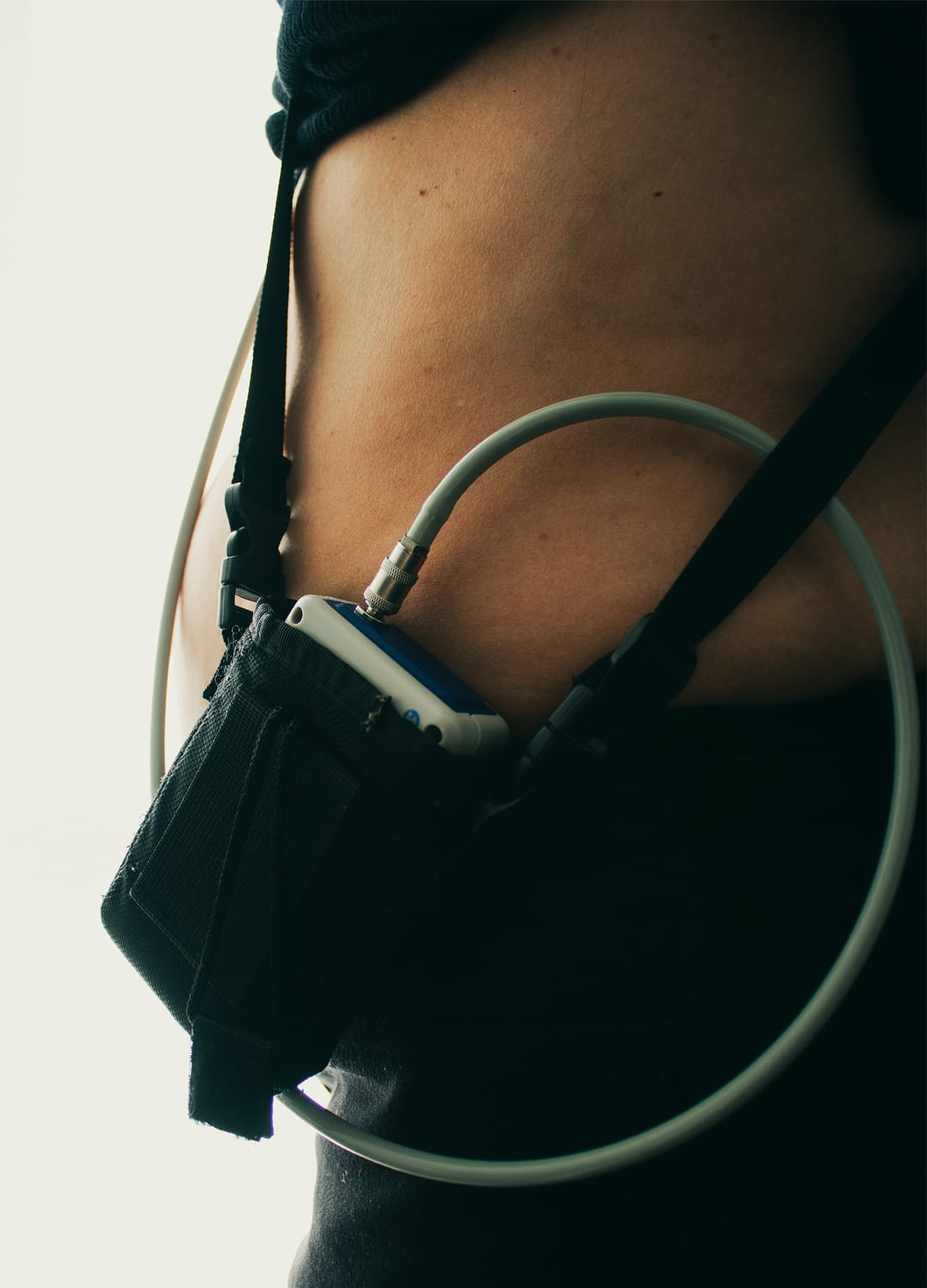
I made that promise to myself and set a deadline because I'm someone who takes commitments seriously. I knew I wanted this to be the year I started applying to open calls again, joining image-making clinics, and reconnecting with my artistic side beyond what I experience as a teacher. That's my true way of communicating.
Listening to you talk about your work, you don't seem introverted. Are you?
I really like being around what's going on, but most of the time it drains me because I'm an introvert, a very shy person. It's a bit contradictory because I'm an artist, but I don't have that natural ability to be extroverted.
At least throughout elementary, middle, and high school, creating was always my refuge, or my way of being seen. It's been that way since I was little. It was how I communicated what I carried inside, what I was passionate about, and what I felt was important.
These days, I spend a lot of time with my students and have to stand in front of a class, so that's another contradiction. But I like knowing I can have an impact on them. I want them to see who I am beyond the classroom, to see my work exhibited and get to know me as an artist. It matters to me that they see who I am beyond the person they know in the classroom. I also want them to see that it's possible to make things happen, but you have to be disciplined and put in the work for opportunities to come along.
I consider myself a very disciplined person, and that's something I try to pass on to my students, too. I want them to see that the discipline I ask of them is what helps make things happen.
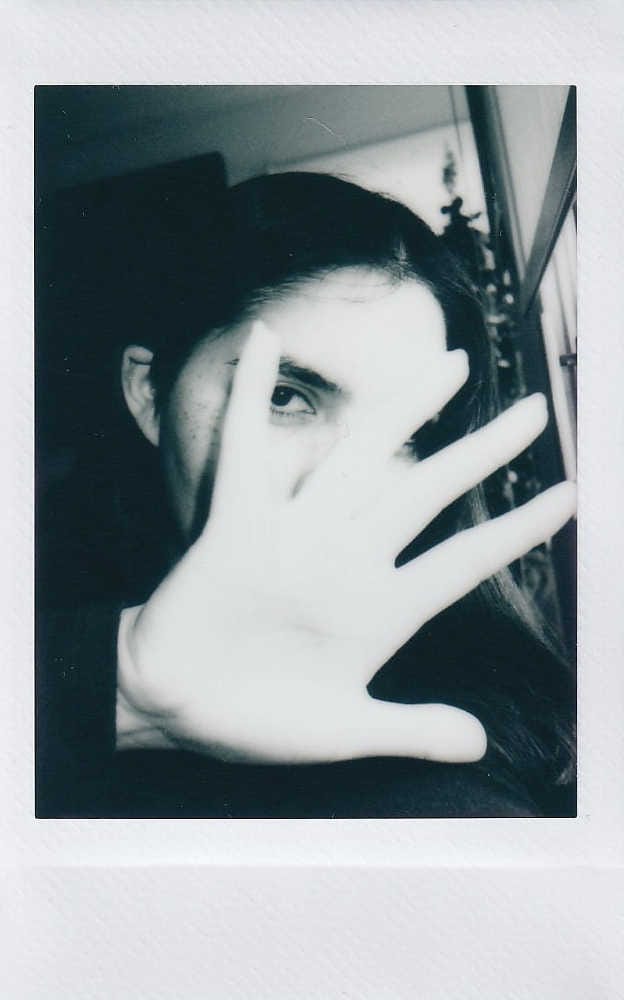
Why study art, then?
Because for me, it was a calling. It had to be something in the arts. Otherwise, why study it? I think it's about reaching your full potential.
Where are you focusing your artistic practice these days?
I'm currently part of the 7th edition of the Central de Producción Fotográfica, organized by Comitiva Patronal de la Imagen, with Alex Cabrera as our mentor. It's a photography project development program that culminates in an exhibition in Oaxaca. On October 28, I'll also be starting the Centro de la Imagen's Hybrid Clinic, where Luis Luján will be my mentor. I already know him from when we were both part of the 2020-21 cohort of Proyecto Imaginario Latinoamérica.
One thing that has reassured me about Comitiva is that our mentor, Alex, has reminded us several times that projects take time to develop. That's comforting because even though Radiación is on hold right now, it doesn't mean the project is over or that I can't return to it later.
Is Radiación still alive as a project?
It's something I remain interested in, and I know I'll continue pursuing it because of the social context we live in. One of my professors emphasized the importance of having a social commitment. Those are the projects that last, the ones that matter.
We've talked a lot about social media.
There are so many fictions on social media. We can't always show everything we do, much less where an idea comes from or how we got there. And there isn't much room for vulnerability, either.
Do you think that, as an artist, posting your work and seeking the validation that's expected in the art world can affect your creative process?
Oh, absolutely! (We both laugh at how quickly and emphatically she answers.)
For example, in the clinic I'm part of right now, especially after being inactive for so long, of course I feel that pressure. When you're surrounded by people with so much talent, people you admire, you naturally want your work to measure up.
That's when self-criticism kicks in, and you start believing things and imagining scenarios that aren't real, fueled by the anxiety itself. But it's natural to want validation from your students and colleagues. Otherwise, why put yourself out there? Why pursue these opportunities?
Some people don't look for that kind of validation, and that's valid, too. But I do what I do because I know it's what I want to do. And it's not about being validated by everyone, either. It's about being seen and recognized by the people you respect and admire. I think that's what matters.
Now for my favorite question.
Every Behind the Archive ends the same way, with the question that matters most to me. An archive is everything you've kept. Choosing just one photograph means deciding which part of yourself to hold on to. That's why I save this question for the end, when the nerves have settled and the conversation has had hours to find its own rhythm.
What's your favorite photograph in your archive?
The first photograph from Radiación. It was the first photograph in the project that I took entirely on my own.
It was a whole process. My mentor, Caneck Leyva, helped me along the way. Once I had a better handle on everything, I was able to take the photograph and carry out the entire process by myself. And it's not just about taking the picture. There's also everything involved in post-production in Photoshop, including working with the RGB channels. That part is really interesting, too. As I turned on the layers, I could watch the image from the full-spectrum camera gradually reveal itself.
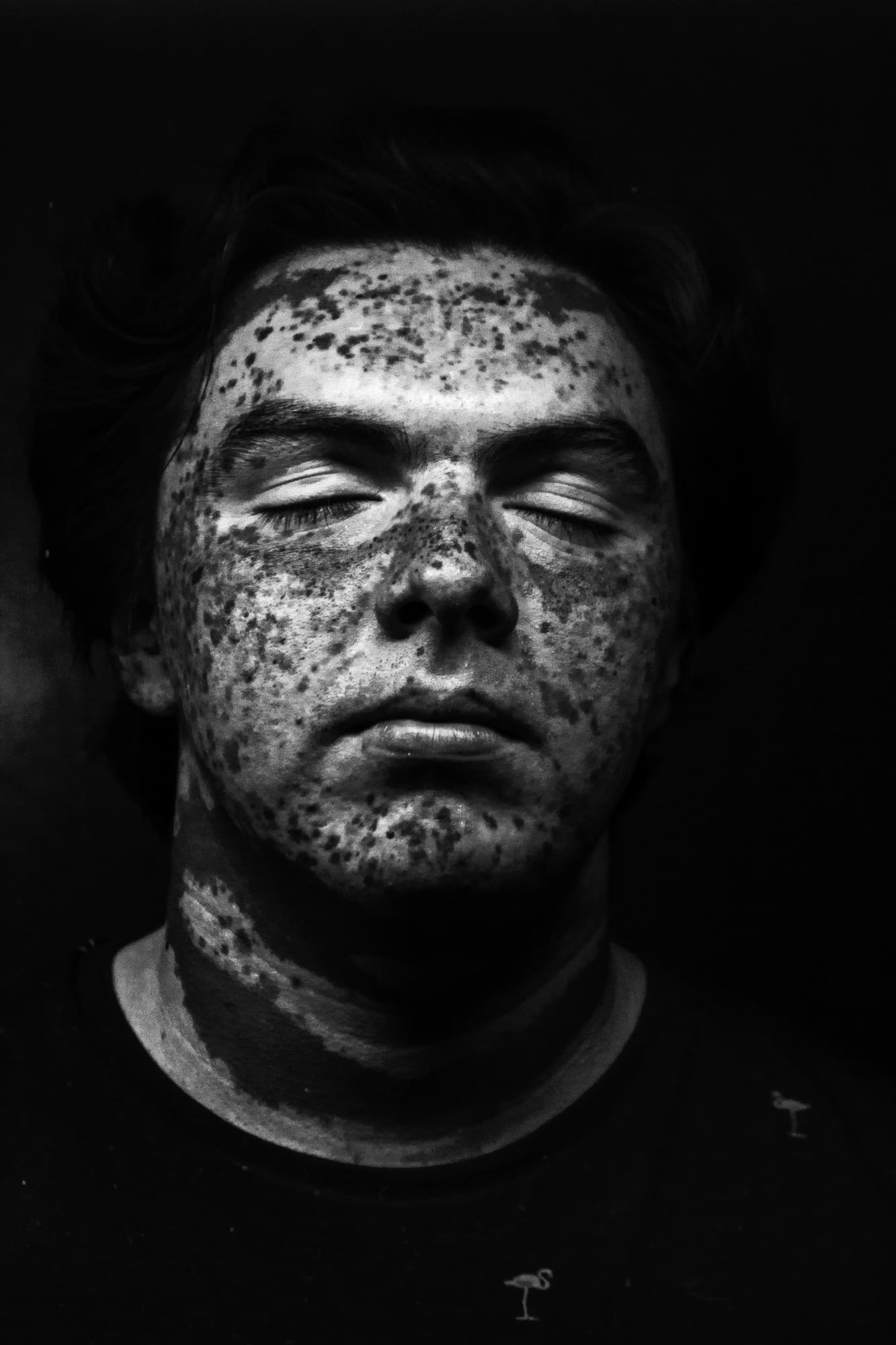
(Out of her entire archive, she chose the first photograph she made on her own. I think that says more about Radiación than any technical description could. Before the honorable mention, before CECUT and teaching, there was a process and a first time doing it without anyone by her side.)
Another photograph came up almost in the same breath.
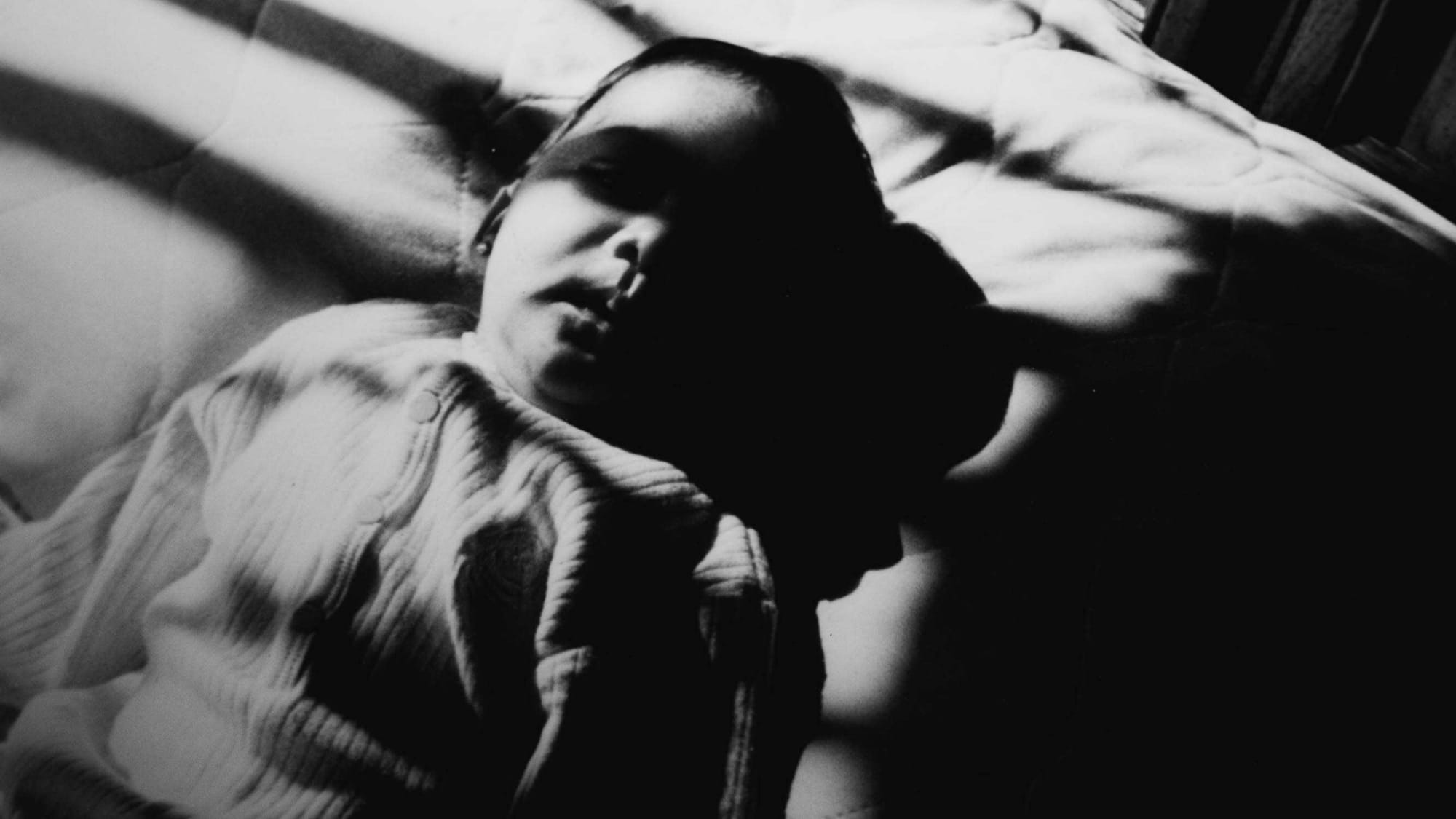
During the pandemic, I couldn't continue taking photographs for Radiación because I couldn't see people. I think the isolation led a lot of people to turn to their archives, and I found myself doing the same. I started looking through my childhood archive for recurring signs that tell a story about a kind of loneliness that has followed me throughout my life. I think I'm destined for it because I'm an only child. My favorite photograph from that archive is a portrait of me as a baby, with shadows crossing my face in a way that seems to create an invisible cage.
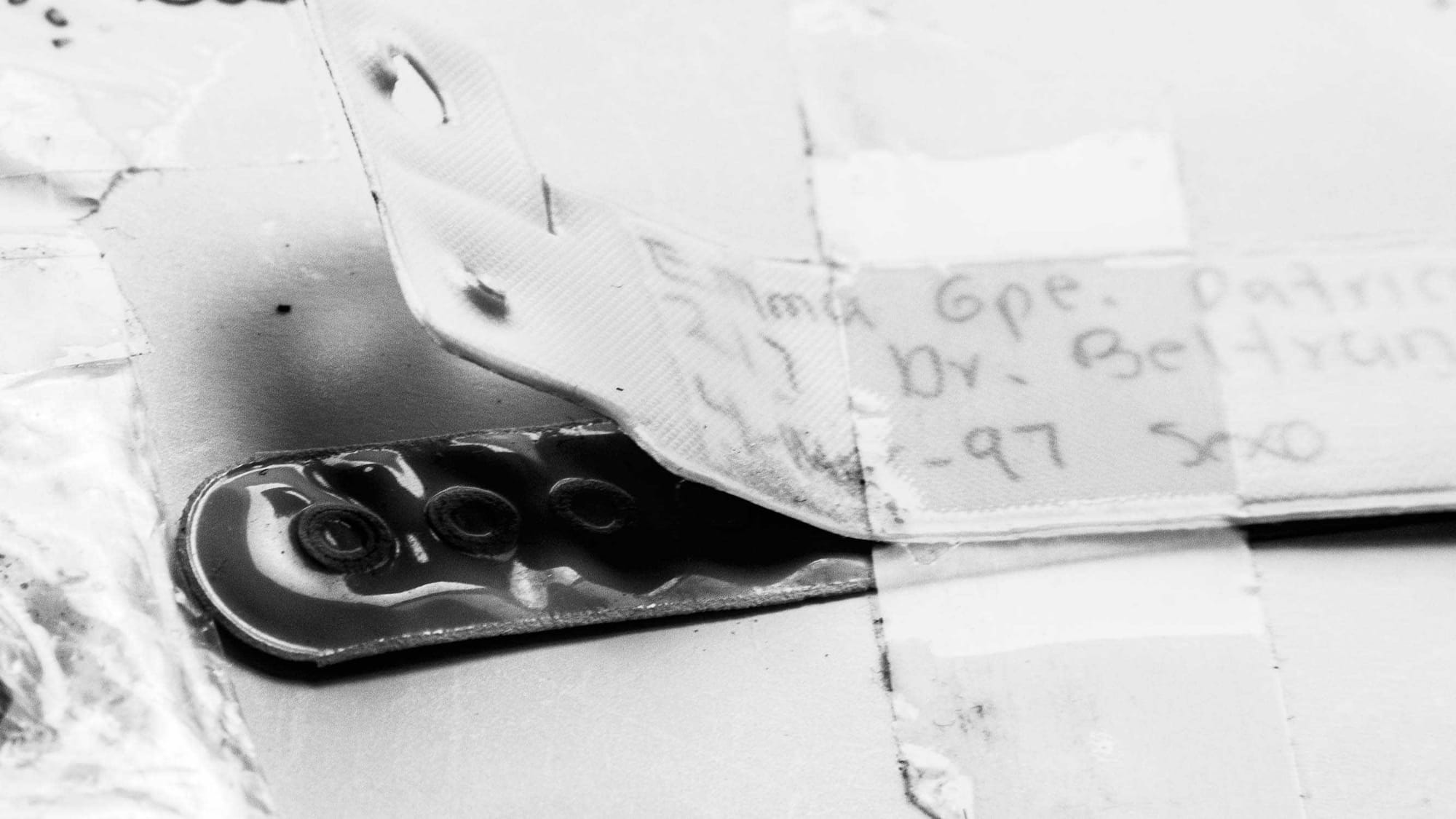
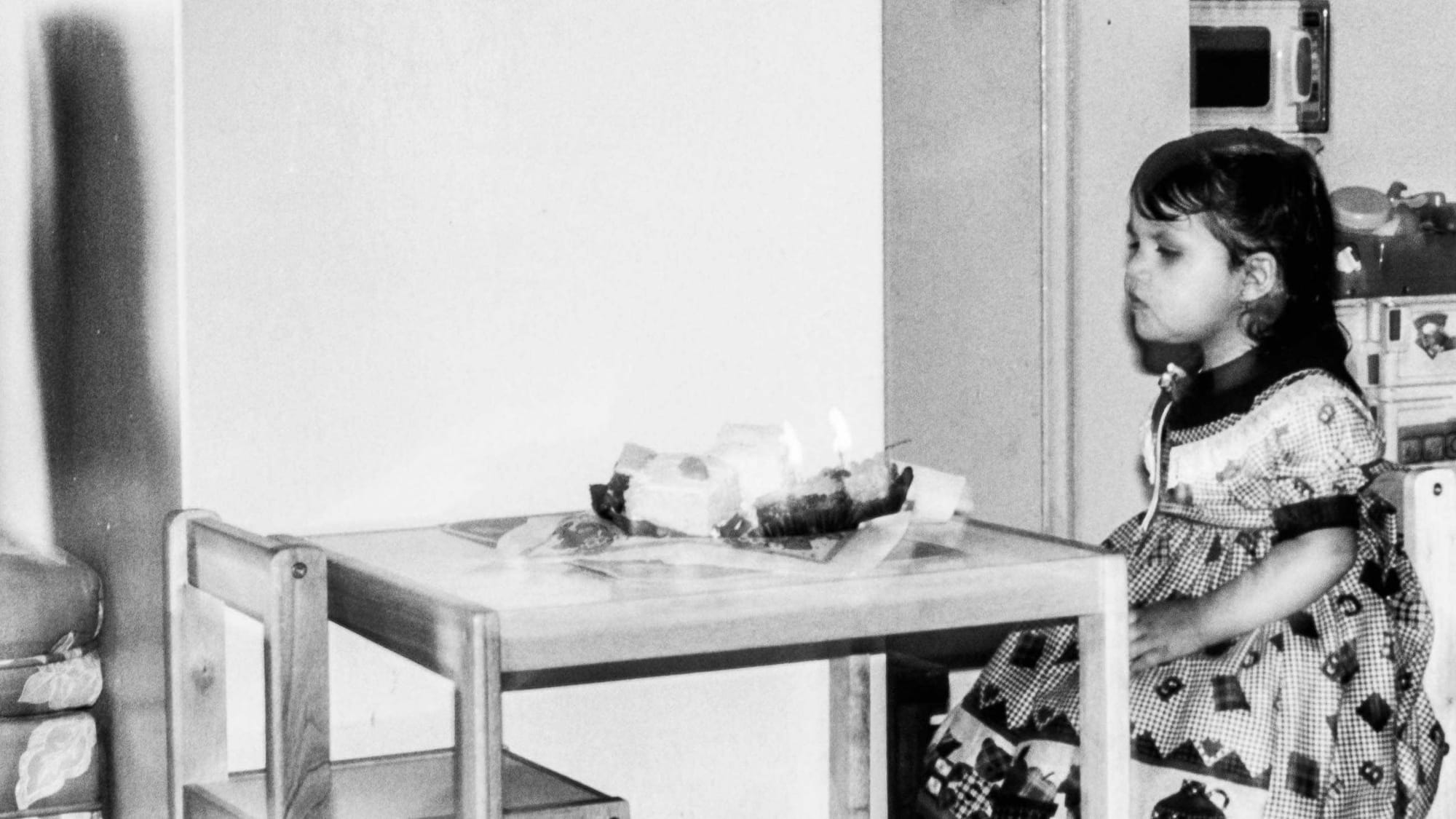
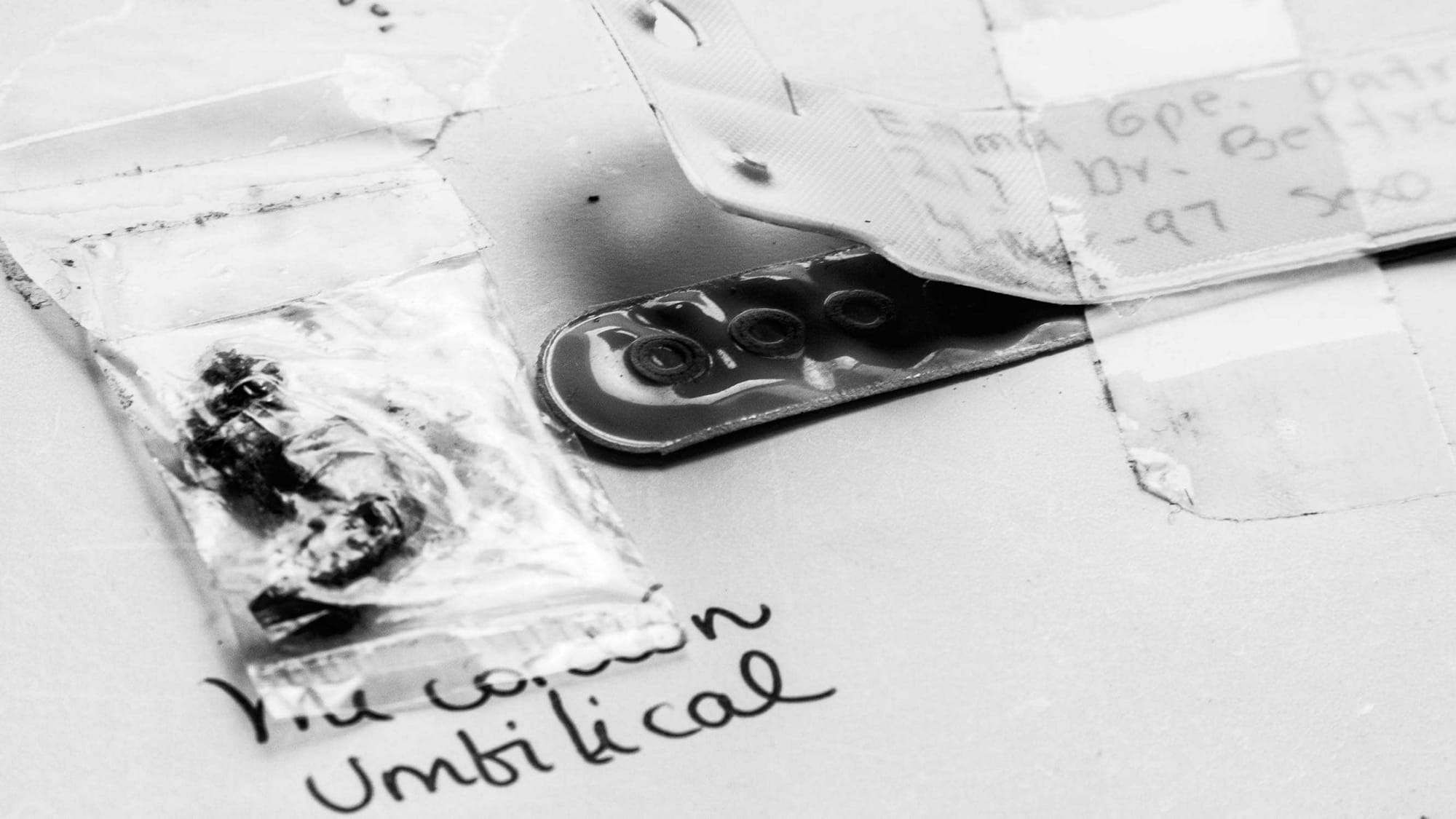
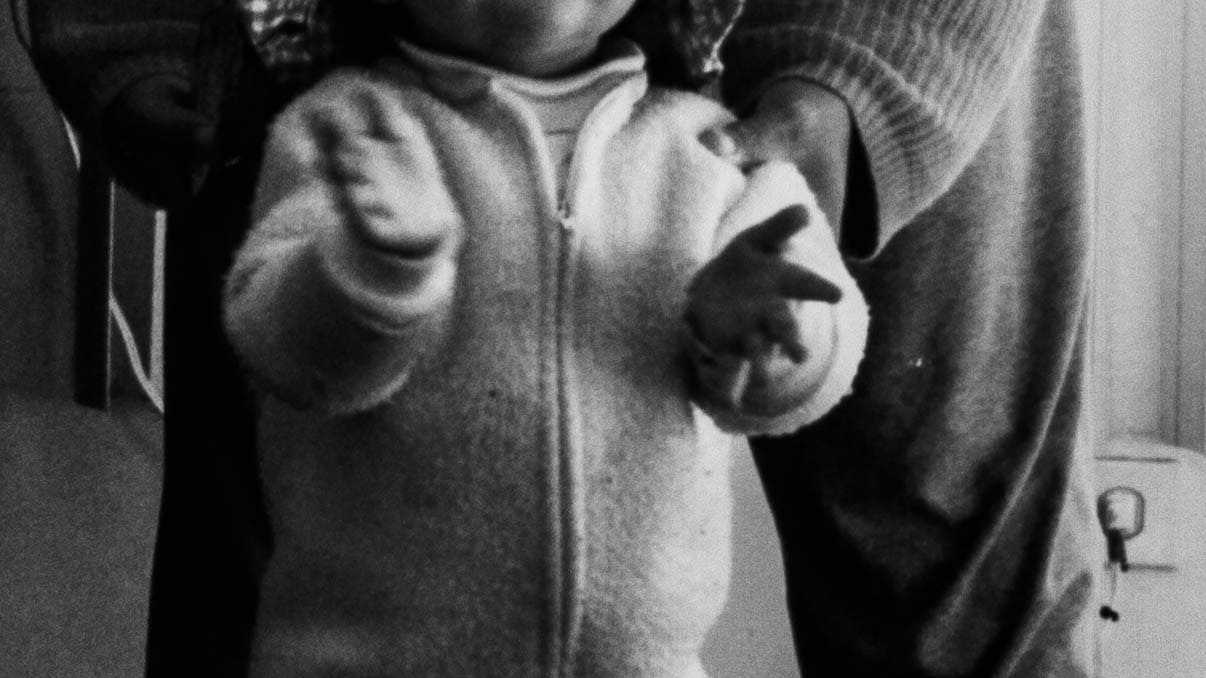
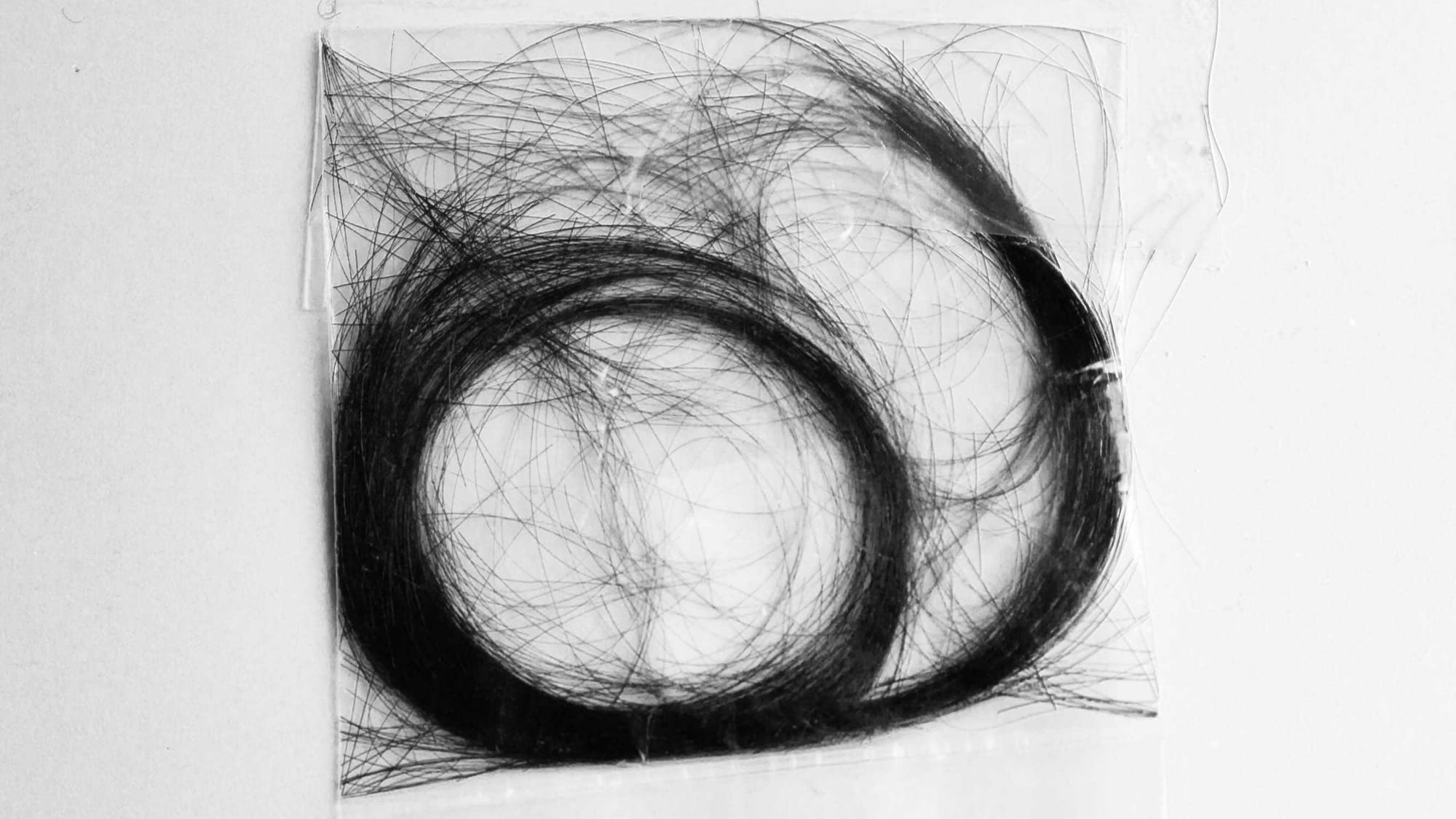
I'm still working with archives today, but now I'm documenting my grandmother's illness. As an exercise for Comitiva, I made a zine from the photographs I've collected so far. It takes you through the nursing home where she currently lives, and it's something deeply intimate.
It's very close to my heart.
And that's what I'm drawing on as I create the new work.
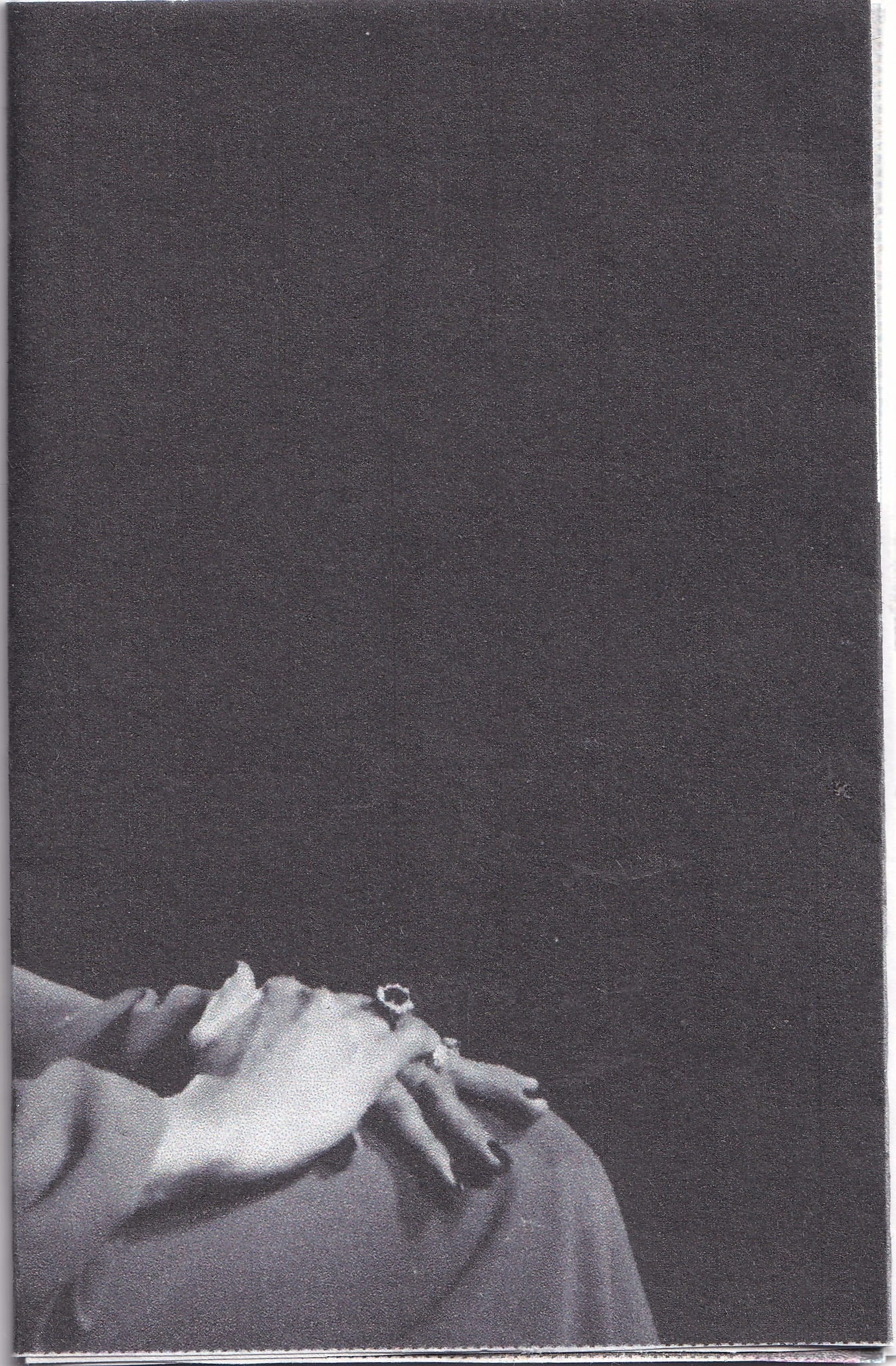
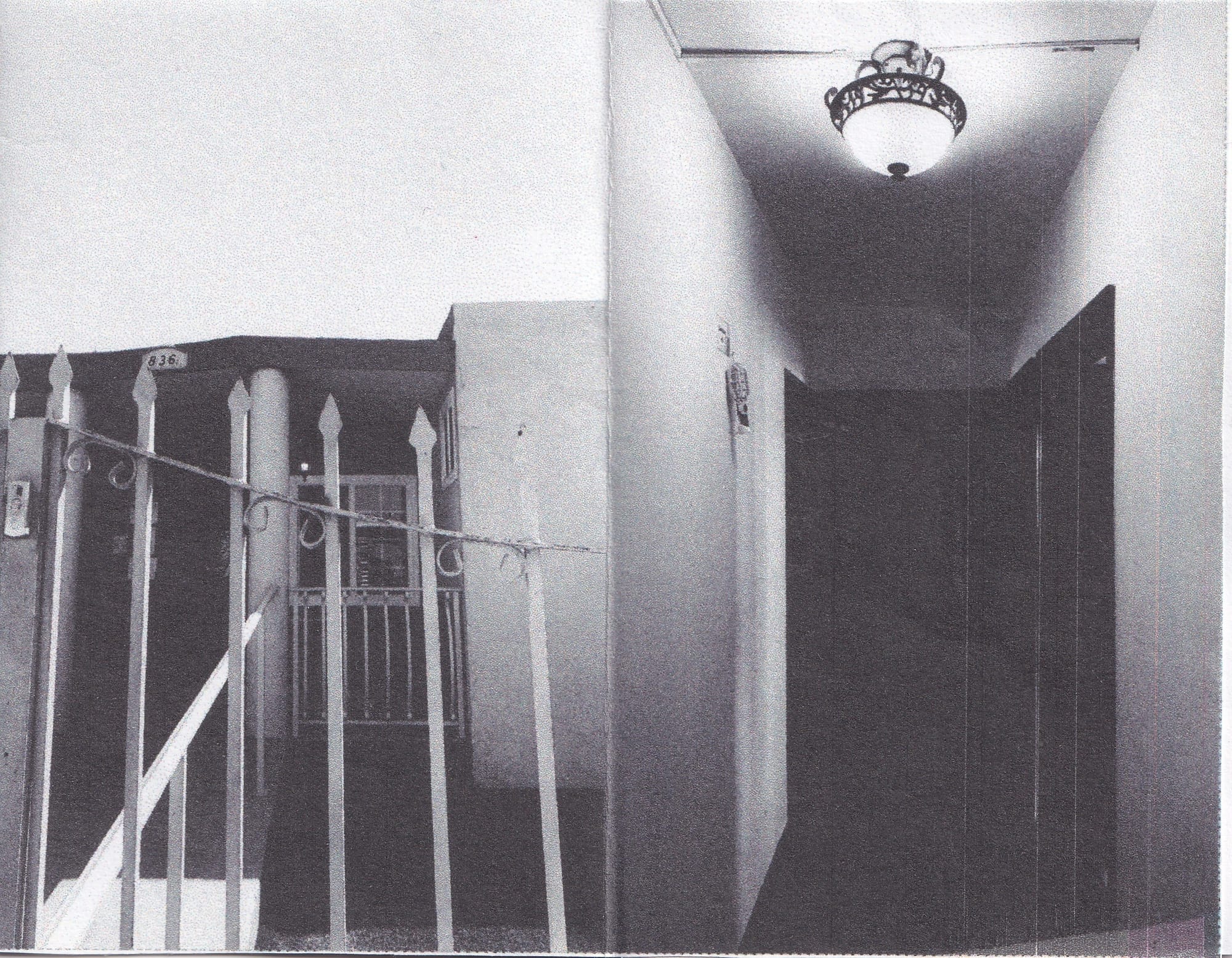
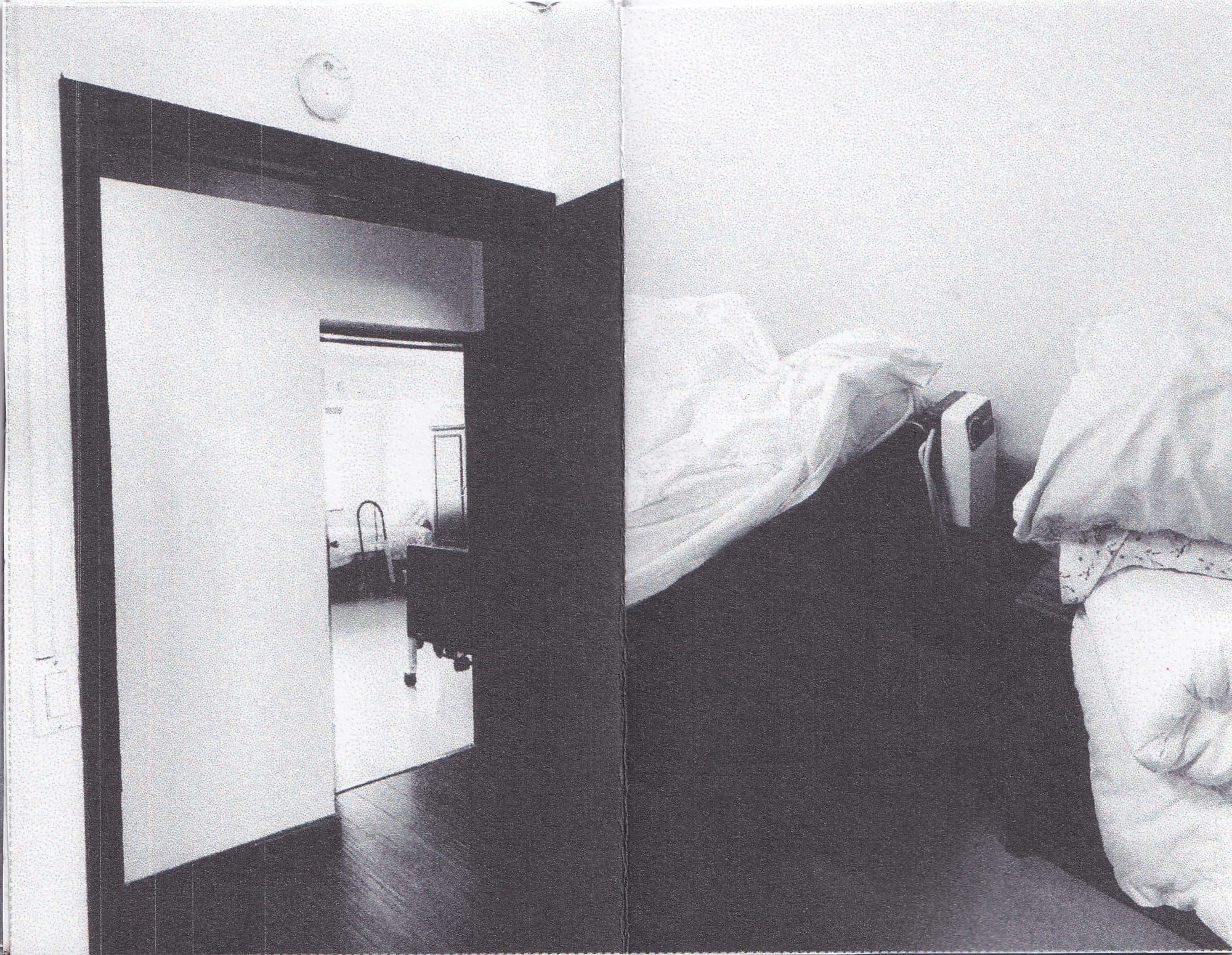
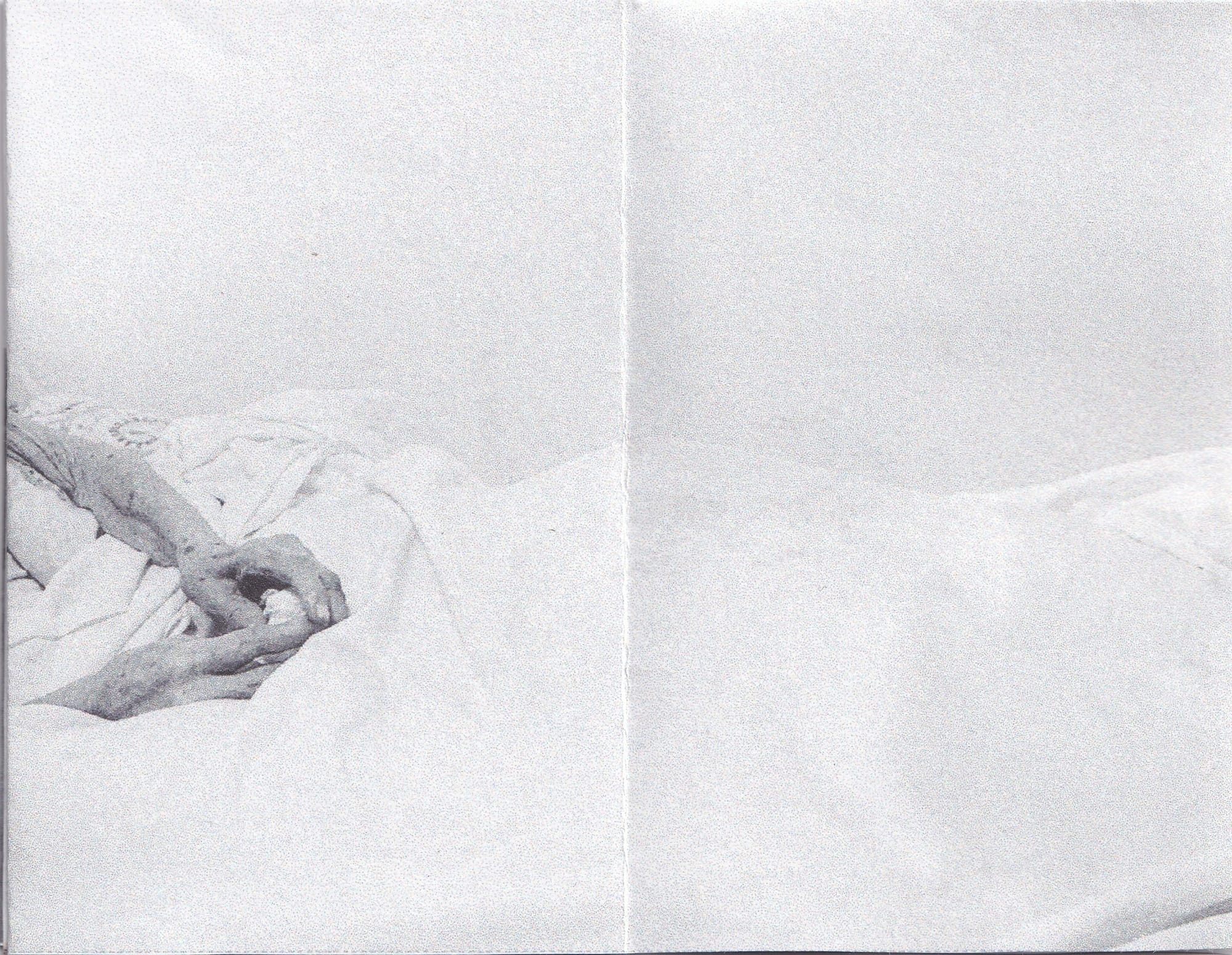
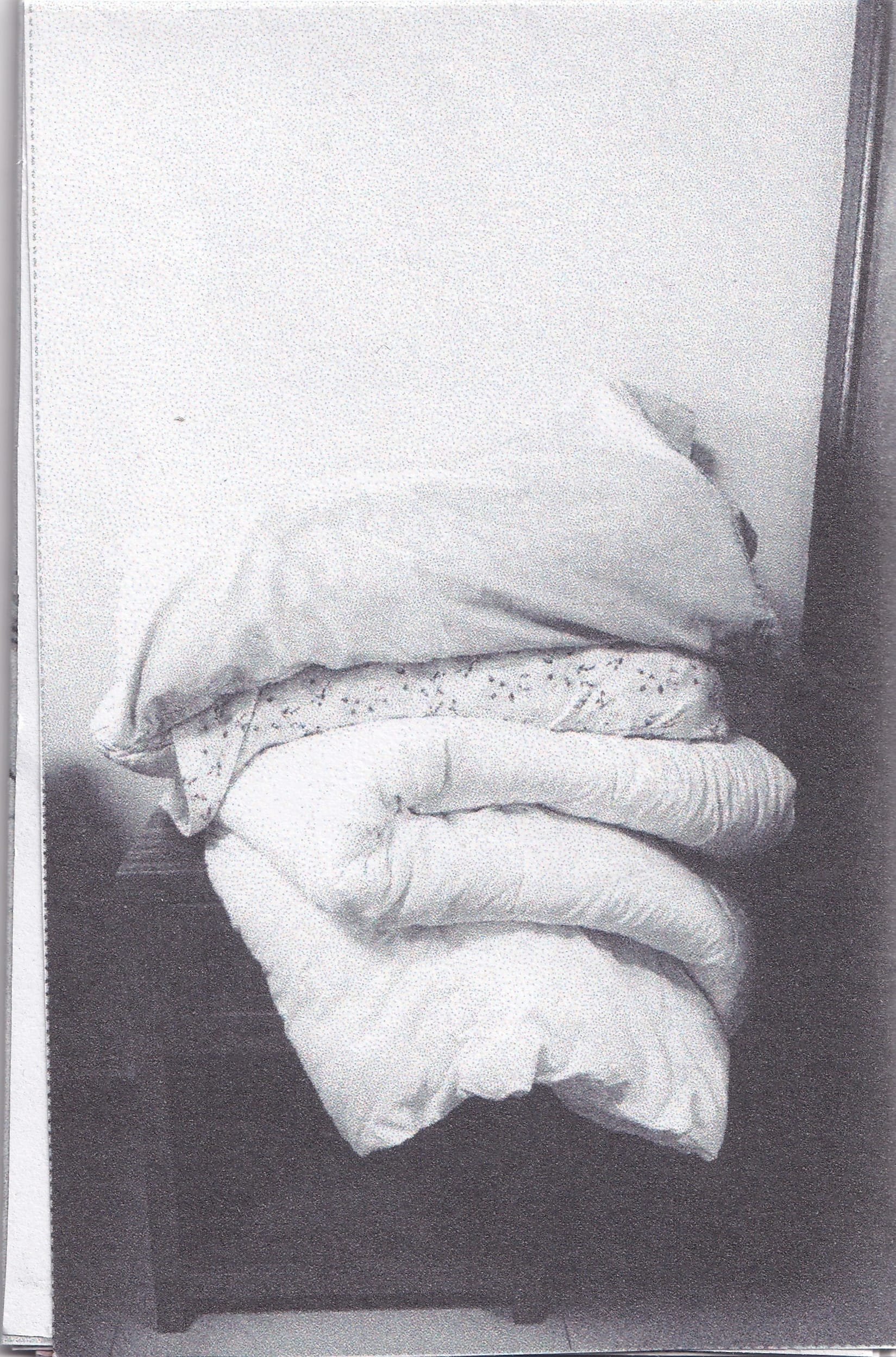
One photograph she took on her own back when she could still see people. Another she found when she couldn't. One shows what the sun leaves on the skin; the other, what time leaves on a family.
I asked her about one photograph. She gave me two, and something more: she let me into her creative world.
My conversation with Irma centered on vulnerability and getting to know her as a person, beyond her identity as an artist. That's the point, really: seeing what's real, the difficulties, the process of how we get to where we are, and why we do what we do.
Irma reminded me how important it is to look beyond the lens when we photograph. The technical side matters, of course, but it's even more important to connect with a subject you care about and follow your intuition as you pursue your art, building a genuine commitment to what you're doing.
Talking about how we deal with rejection, how we learn to see the bigger picture, and how we hold on to our calling and passion enough to say, "I'm going for it, and I'll keep trying until I make my dreams happen," left me feeling happy and motivated. It reminded me how necessary and important it is to connect with other artists and creatives.
Thank you, Irma, for opening up to me, telling me about little Irma and how she found her way to art, and sharing your vision and your story with me. I know your work will go far. I admire and respect you so much.
Find Irma at @irmaabejarle
Links and more information:
- Instagram: @irmaabejarle
- Archivo Vivo: https://www.academia.edu/59171426/Archivo_vivo_Primer_mapeo_de_artistas_mujeres_de_Baja_California
- Fotógrafas del Norte: https://www.instagram.com/fotografas_delnorte/?hl=es-la
- Cuartoscuro: https://revistacuartoscuro.com/ya-esta-aqui-cuartoscuro-173/